A person can buy bottled water almost anywhere in Kathmandu. Finding a place to refill a bottle is much harder. That difference shapes behaviour. Students buy another bottle between classes. Office workers do the same on their way home. Visitors at parks, bus stops and public offices often have no idea whether safe drinking water is available nearby.
At a time when Kathmandu is already struggling with waste and water quality, public drinking-water points deserve more attention.
Recent testing has again raised concerns about drinking-water safety in the Valley. Public health officials have found contamination in samples from households and public taps, particularly during the monsoon. Any refill system must therefore begin with water quality, not simply the installation of more taps.
Safe water, clearly marked
A public refill point should answer three basic questions immediately: Is the water safe to drink? Who maintains it? When was it last tested?
A simple sign can provide all three.
Kathmandu does not need hundreds of new fountains at once. It could start with places where people already gather or spend time, such as major parks, bus terminals, municipal offices, libraries, hospitals and busy pedestrian areas.
Existing public taps should also be mapped and tested. Some may already provide suitable water after treatment. Others may need repairs or should be clearly marked as non-potable.
The worst situation is uncertainty: a tap exists, but nobody knows whether the water is safe to drink.
Make refilling easier than buying another bottle
Convenience shapes habits. If clean refill water is hidden behind an office gate while bottled water is available on every corner, people will continue buying bottles. Public refill points need to be visible, accessible and easy to use.
Schools and colleges can play an important role. Students are among those most likely to carry reusable bottles, but a bottle is useful only if it can be refilled during the day. Campuses should provide accessible drinking-water stations and maintain them properly.
Businesses can also participate. Cafes, banks and shopping centres with filtered water could display a simple “refill available” sign. Some may offer it free, while others could charge a modest amount for treated water. The important thing is that people know where to go.
A citywide digital map could bring these points together. Platforms that already list toilets, ATMs and restaurants could also identify verified refill stations.
Maintenance matters
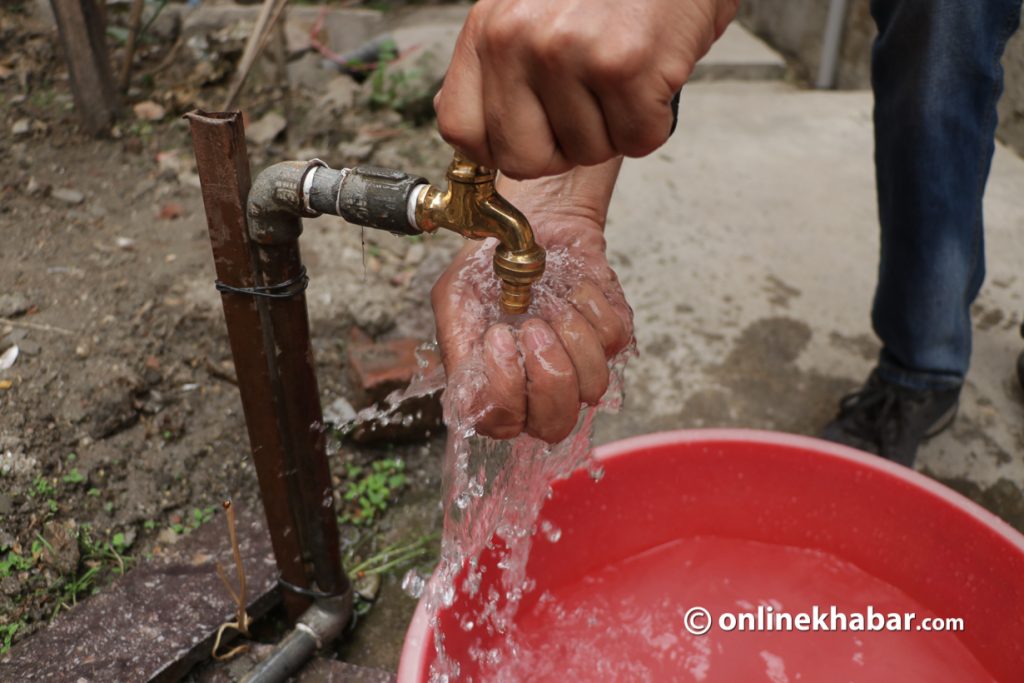
Kathmandu has seen public facilities installed with good intentions and then left without proper maintenance. Drinking-water stations cannot follow the same pattern.
Filters need replacing, tanks need cleaning, water needs testing and broken taps need repairing. Most importantly, someone must be responsible.
That responsibility should be clearly displayed at each station. If a ward office, school or business maintains it, the sign should say so and provide a contact number for complaints.
The public has a role too. Refill points should not become places for washing vehicles or dumping waste. Clear design, proper drainage and nearby bins can help protect them.
Safe drinking water should also become part of the planning checklist for public events. Fairs, sports programmes and festivals often provide toilets, security and waste bins. When people spend hours outdoors, access to safe drinking water should be just as basic.
There is also a simple economic benefit. People should not have to keep buying bottled water throughout a day in the city because no safe public alternative is available. Free or low-cost refill points would make hydration easier for students, delivery workers, street vendors and others who spend long hours outside.
This is not a grand infrastructure project. It is a small public service that could be used many times a day.
People will continue to buy bottled water, particularly when travelling. The goal is not to eliminate that option. It is to make reuse realistic.
Kathmandu often talks about reducing plastic. Asking people to carry reusable bottles is easy.
The more practical question is this: Where are they supposed to fill them?