
My WhatsApp was still beaming with notifications as I prepared to switch it off for twelve days. I could not remember the last time I had stayed away from this device for even a full day, let alone nearly two weeks. As I walked toward the residential quarters, something unfamiliar settled in relief. Finally, I was here.
Vipassana is one of the oldest meditation techniques in the world, tracing back more than 2,500 years to Gautama Buddha. It is not prayer, nor is it philosophy in the conventional sense. It is a disciplined practice of observing reality as it is, through sustained attention to bodily sensations, without reaction, without judgment. The idea is deceptively simple: observe impermanence, and suffering loosens its grip. Across the world, Vipassana centres host ten- to twelve-day residential courses where participants live in complete silence, cut off from phones, books, writing materials, and even eye contact. What sounds serene in theory is, in practice, deeply exacting.
For me, this retreat was not spiritual tourism. It was a temporary escape, an intentional pause. From the image that had been built around me over the past three months, from relentless responsibilities, from noise and scrutiny. From chaos to absolute silence. Nestled within the thick green embrace of Shivapuri National Park, the centre was surrounded by forest on three sides. Inside, people of different ages and nationalities gathered. We carried different stories and wounds, but in the cold of January, we arrived united by a common hunger: peace.
Several people had warned me against going, “Amy, not now.” These were not casual opinions; they came from well-wishers who had Vipassana experience and had also witnessed my emotional state after September 8. Every human copes differently. Some process pain outwardly and recover. Others fracture quietly and mask the cracks with productivity. I belonged to the second category. In my determination to move on, I had become hyper-functional, working relentlessly, filling every silence with labour, leaving no room to breathe. I knew it, yet I kept going.
Some experiences do not merely hurt; they dismantle you from the inside. After the Gen Z revolution, despite being relatively withdrawn from media, I found myself pulled into attention I had not sought. It began gently, messages of pride, curiosity, encouragement. But gradually, the tone shifted. Hate messages and threats began to appear. Many came from strangers, and some also from people I knew. I had always believed I had thick skin, that I could handle public pressure. But this time, it pierced through; it had crossed a line. It hurt. It frightened me.
Alongside social duty, I was also carrying personal responsibilities and navigating the moral weight of public mandates. I chose this path consciously, and I stand by that choice. But in choosing everything else, I forgot to choose myself. I ignored the anxiety. I ignored the way echoes of violence followed me into sleep. I convinced myself that if I worked harder, if I stayed busy enough, it would disappear. Instead, the pressure intensified. The threats amplified what I was already suppressing.
Some of my closest ones noticed the cracks before I admitted them to myself. They suggested counselling. They suggested rest. I dismissed it all until one day, the weight became unbearable. Then I realised I needed a break. Not an escape filled with distraction, but a space where I could hear myself again. I wanted to sit with myself, uninterrupted. That craving led me to Vipassana.
Even the centre advised me to wait. During the initial call, I was warned that this might not be the right moment emotionally. I insisted. I was certain I needed this. Eventually, they agreed. And so, on January 1, the journey began.
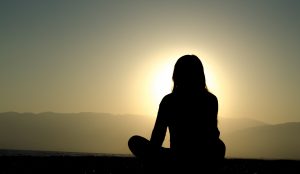
The silence, when it first descended, felt almost luxurious. No small talk. No notifications. No performance. But silence is not passive, it is confrontational. As the days progressed, everything I had been running from rose to the surface. Unfinished emotions. Suppressed fear. Scenes I had avoided replaying. Those warnings suddenly made sense. The first few days were not peaceful; they were punishing.
The discipline was uncompromising. Waking up at 4 a.m. in freezing temperatures. Long hours of meditation, often more than twelve hours a day, sitting cross-legged on the floor, back straight, eyes closed. No speaking. No gestures. No eye contact. Meals were simple, vegetarian, and timed. Sleep was limited. The body protested constantly. Legs went numb. The mind rebelled. There were moments when quitting felt tempting.
And yet, the surroundings were breathtaking. The stillness of the forest. The crisp air. The paradox of being surrounded by people while living in complete solitude. One could dismiss it as escapism, but I realised how rare it is to allow yourself such deliberate withdrawal. Sometimes, healing requires a kind of selfishness, the kind that saves you before you are completely eroded.
Time behaved differently inside the centre. Days blurred. Clocks lost relevance. Over twelve days, I learnt patience not as an idea but as endurance. I met myself without distractions. I confronted emotions that demanded acknowledgement. I cried without witnesses. I watched my reactions rise and fall. Slowly, painfully, I began to let go.
One of the most profound aspects of Vipassana is its refusal to offer emotional shortcuts. There is no reassurance, no affirmation, no external comfort. You are taught to observe, not suppress, not indulge. In that observation, something shifts. I forgave myself. I forgave others, not to absolve, but to release myself from carrying the weight. I encountered spirituality stripped of labels, religion not as identity, but as lived ethics and awareness.
When silence was finally broken on the last day, I was surprised by my own restraint. I did not feel euphoric. I felt grounded. When I walked out of the centre on day twelve, I carried peace, quiet, stable peace.
I will not romanticise this experience. Vipassana is not a miracle cure. It does not transform you overnight or erase trauma. What it does is force you to face yourself, your demons, your fears, your past, your uncertainties about the future. It is a journey inward, filled with smooth stretches and deeply uncomfortable terrain. But if you complete it, you return with clarity.
I found uninterrupted sleep. I found stillness after months of inner noise. Most importantly, I released an emotional burden I had been carrying silently. I walked out lighter, with gratitude rather than exhaustion. For now, for me, that is more than enough.
Do I recommend Vipassana? Yes and no.
I am sharing this not to persuade, but to bear witness. If this account inspires you, let that inspiration mature before acting. Vipassana is not something to be done casually. The decision must come from within, and you must be very certain. This journey within your own universe is not a cakewalk. So, while the end carries peace, the beginning demands huge courage.