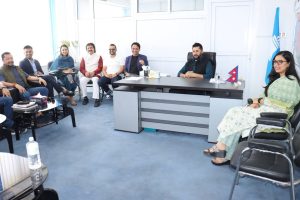

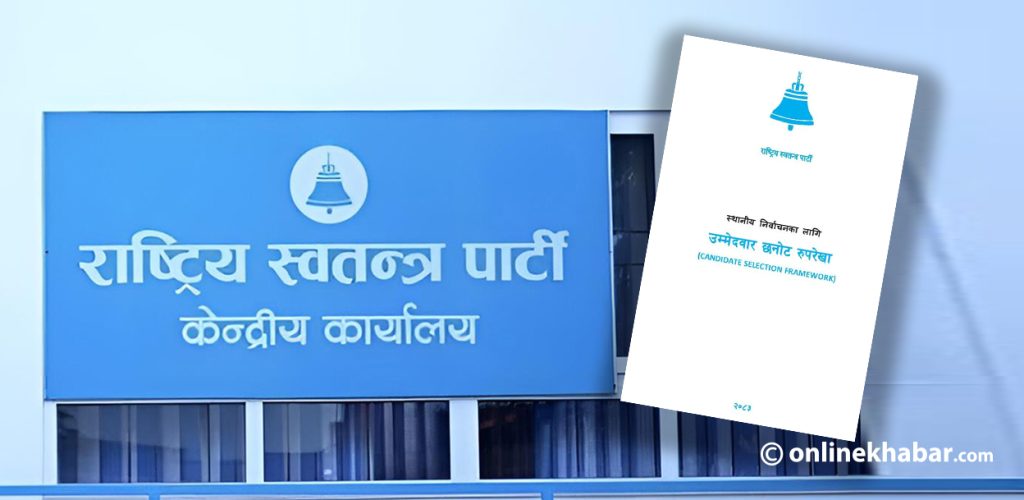
The Rastriya Swatantra Party (RSP) has designed a curriculum to train people who wish to become representatives at the local level. The curriculum is designed to train aspiring representatives to work in the government closest to citizens.
The RSP has built the curriculum on the Local Government Operation Act, the party statute and policies, and its manifesto.
Details of the curriculum for training aspiring representatives are included in the framework for selecting candidates for the local-level elections.
The RSP opened applications for aspiring representatives of rural municipalities from August 17 and of municipalities from October 15.
In the local-level elections, 35,221 representatives will be elected from 6 metropolitan cities, 11 sub-metropolitan cities, 276 municipalities and 460 rural municipalities.
Aspirants for local-level candidacy must be trained based on the curriculum prepared by the RSP’s Leadership Academy. The party says the curriculum will be delivered through a “hybrid training model.”
All aspirants, from ward members to heads of local governments, must take the mandatory training under the party’s curriculum and have their qualifications tested. Aspirants must have knowledge of the party’s political philosophy, ideological clarity and organisational culture.
They must also know the party statute and organisational structure, internal discipline, decision-making processes and the jurisdiction of representatives. Those seeking candidacy must have studied the RSP’s political roadmap and its central and local election manifestos.
The party will train aspirants on the constitution, federalism and the local legislature, among other topics. Applicants will take classes aimed at effective service delivery, development works, easy access to government services at people’s doorsteps, and greater public participation.
The curriculum covers fundamental rights, including basic education, health, housing, food sovereignty, a clean environment and social justice.
It also includes the sharing of resources among the three tiers of government, intergovernmental budget transfers and their interrelations.
Through the party, aspirants will be trained on local tax collection, local roads and drinking water, among other areas.
The curriculum covers the jurisdiction of the three tiers of government, legislative limits, and the requirement that laws made by local assemblies must not conflict with provincial law. The RSP will train aspirants on the separation of powers and the process for appointing the chief administrative officer, among other subjects.
Aspirants will learn about the policies, plans and budget implementation approved by the village or municipal executive, and the methods of running daily administration. The party will also hold classes on resolving local disputes, mediation and adjudication.
On the local legislature and parliamentary practice, the curriculum includes the procedures for running assembly sessions, namely convening the village or municipal assembly, running it, drawing up the agenda and the rules of procedure for meetings.
The party will explain the four types of grants local governments receive: equalisation, conditional, complementary and special.
The curriculum also trains candidates on public procurement and the formation of consumer committees, as well as the irregularities that occur in them. The RSP says it will also train them on the politicisation surrounding such irregularities and on legal measures to stop them.
Aspirants will be given knowledge of digital service delivery and e-governance, including the citizen app, the national identity card and the vital events registration system. Data-driven governance and the use of AI are also among the topics.
Aspirants will learn about the safe use of social media, the prevention of cyberbullying and the Electronic Transactions Act. The party will also brief them on how a system like “Hello Sarkar” could be developed in local governments for handling complaints.
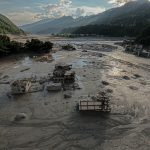
Aspirants will also be trained on the role of local governments during disasters. They will learn about operating early warning systems, identifying areas prone to disasters such as floods, landslides and fires, and what local governments can do to develop safe settlements.
Those seeking RSP candidacy must also be informed about personal life, financial transparency, lifestyle, cutting expenses and savings. The party will also teach the art of speaking at mass meetings and during door-to-door campaigns.
Aspirants must learn the division of work set out in the Local Government Operation Act, 2074. Those seeking to become ward chairs and ward members must be fully familiar with the work they will carry out.
The curriculum includes the Act’s provisions so that aspirants understand the recommendation and registration processes carried out at the ward level. The RSP will train aspirants on matters requiring attention in registering vital events such as births, deaths and migration, recommendations for the destitute, verification of relationships, registration of landowners and boundary verification.
Aspirants for mayor or chairperson and deputy mayor or vice-chairperson are briefed on their work, duties and rights under the Local Government Operation Act. The party will train them on budget preparation, plan formulation and tax rates and coverage, among other topics.
The curriculum also covers the jurisdiction of the judicial committee, running hearings, collecting evidence, writing verdicts and the legal process of mediation. To prevent audit irregularities (beruju), representatives will be trained on developing internal control systems.
The RSP said the Leadership Academy may add to or amend the candidate selection framework curriculum, prepared under General Secretary Bipin Kumar Acharya, as needs and the times require.