Kathmandu, November 27
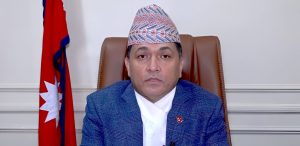
Rastriya Swatantra Party (RSP) lawmaker Yagyamani Neupane has called for equal national protocol rankings for the mayors and deputy mayors of all metropolitan cities, arguing that the existing arrangement places Kathmandu’s elected representatives above their counterparts elsewhere without a constitutional or legal basis.
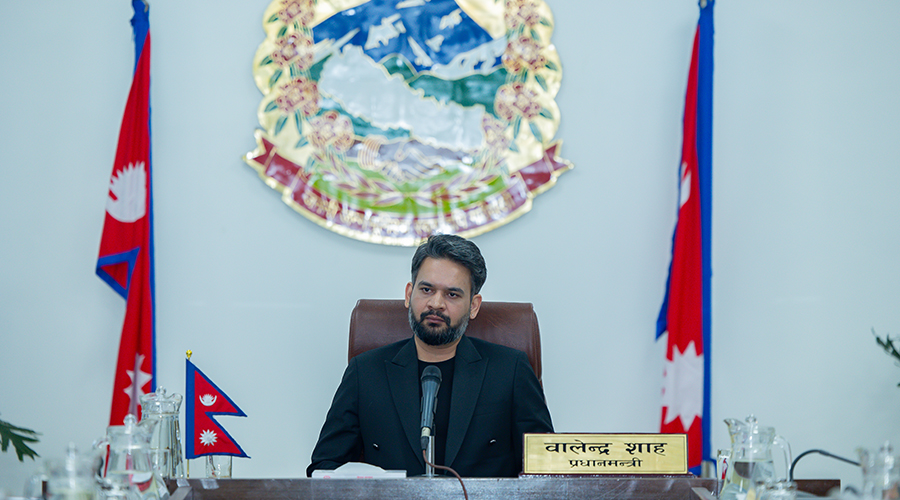
Neupane has written to the Office of the Prime Minister and Council of Ministers, seeking a review of the national protocol ranking system and equal treatment for the mayors and deputy mayors of all six metropolitan cities.
Under the current national protocol ranking, the mayor of Kathmandu Metropolitan City is placed at the 10th position, while mayors of the other metropolitan cities are ranked 11th. Similarly, Kathmandu’s deputy mayor is ranked 13th, while deputy mayors of other metropolitan cities are placed at the 16th position.
In his letter, Neupane argued that the Constitution establishes the structure of state power across federal, provincial and local levels and clearly defines the constitutional status of local executive bodies and their elected heads.
He said the fundamental principle of federal governance is to recognise the institutional existence, autonomy, dignity and status of all levels of government and elected representatives equally.
Citing Article 18 of the Constitution, which guarantees equality and equal protection of the law, Neupane argued that public authorities should not discriminate between officeholders with similar responsibilities, functions and legal status without objective and reasonable grounds.
He also referred to the Local Government Operation Act, 2017, which seeks to strengthen local governance and promote cooperation, coexistence and coordination among the federal, provincial and local governments.
Neupane said the mayors and deputy mayors of Kathmandu, Lalitpur, Pokhara, Bharatpur, Biratnagar and Birgunj are elected under the same constitutional and legal framework, with similar electoral processes, tenure, responsibilities within local executive bodies and accountability to the public.
“There is no constitutional or legal provision that makes the constitutional position of the mayor or deputy mayor of Kathmandu Metropolitan City superior to that of the mayors or deputy mayors of other metropolitan cities,” his letter states.
He argued that the mandate given by voters in Kathmandu should not be considered more valuable than the mandate given by voters in other metropolitan cities.
The existing ranking system, he said, raises questions about the constitutional principle of equality and the federalism-based notion of coexistence by placing the votes, participation and democratic rights of citizens outside the capital at a comparatively lower formal standing.
Neupane said the administrative and national significance of the capital could be addressed through separate protocol arrangements or ceremonial procedures where necessary, without lowering the formal ranking of elected representatives from other metropolitan cities.
He has made two demands to the Prime Minister.
First, he has called for a revision of the national protocol ranking system so that all metropolitan mayors are placed at the same rank and all deputy mayors are likewise given an equal rank.
Second, he has urged the government to initiate the necessary legal process to bring the national protocol ranking system in line with the Constitution, the principles of federalism, equality and the institutional dignity of elected representatives.