Kathmandu, November 27
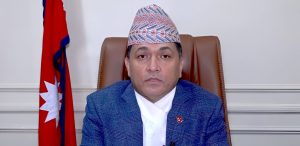
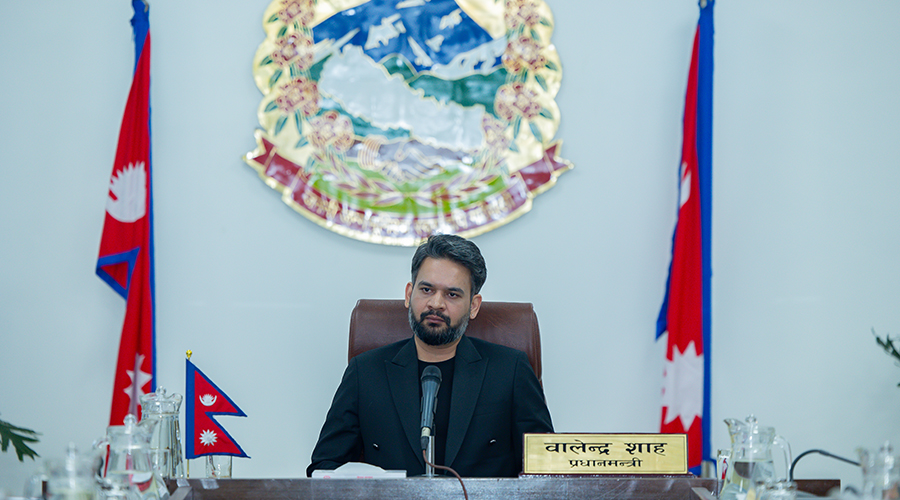
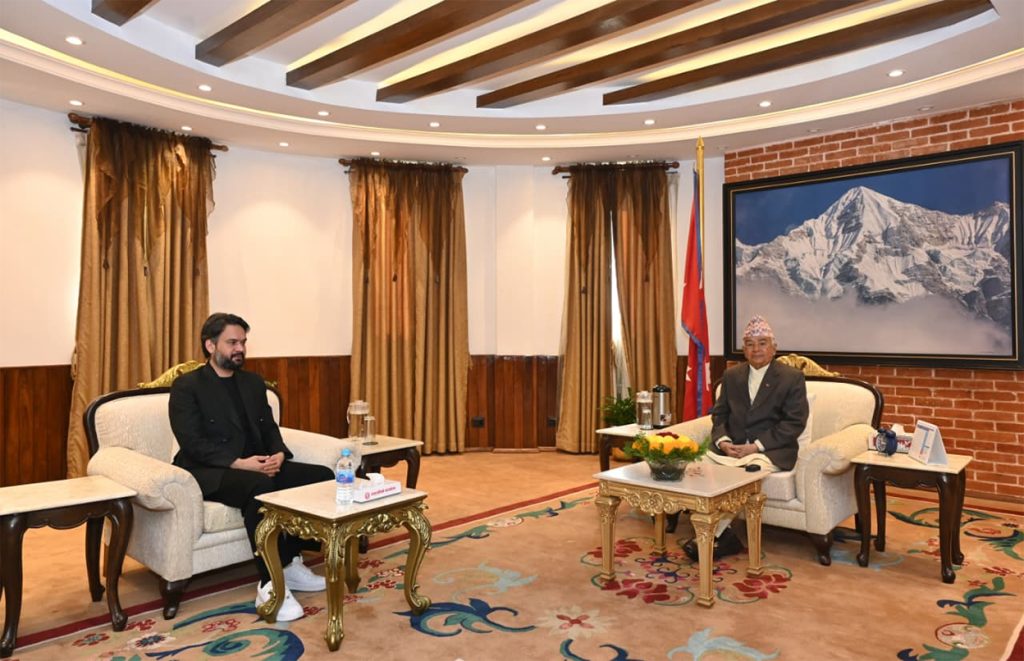
Prime Minister Balendra Shah met President Ramchandra Paudel on Friday, four days after returning from his visit to India, following criticism for not paying a courtesy call on the President before leaving the country.
During the meeting, which lasted around 20 minutes, Shah briefed Paudel on the outcomes of his India visit and discussed three ordinances currently awaiting the President’s approval.
Shah described the understanding reached with India on a substantial financial package and the proposed Bhairahawa air route as significant achievements of the visit, according to sources.
The Prime Minister had departed for India without informing the President, breaking the established practice of briefing the head of state before undertaking foreign visits. Previous prime ministers also held consultations with the President and opposition parties before travelling abroad.
Before leaving for India, Shah had met Rastriya Swatantra Party (RSP) chair Rabi Lamichhane. After returning, he met Lamichhane again before visiting the President on Friday.
Lamichhane had also met President Paudel earlier on Friday, holding a discussion that lasted around 40 minutes. Shah reached the President’s Office shortly after Lamichhane’s meeting ended.
During his meeting with Paudel, Shah requested the President to issue ordinances recommended by the government. He reportedly argued that the government was working on several laws and that the ordinances had been recommended because they were considered essential while Parliament was not in session.
Three ordinances are currently under consideration at the President’s Office. They concern amendments to the Press Council Act, amendments to certain Nepal laws including those related to culture, tourism and civil aviation, and the formation of a commission to investigate cases related to the Gen Z movement and address compensation and reparation.
All three ordinances were sent to the President after the end of Parliament’s monsoon session.
The monsoon session had continued for more than five months. However, after its conclusion, the government recommended an ordinance to amend the Press Council Act on November 3. Three weeks have passed since the ordinance was sent to the President.
The President’s Office is still studying the proposed amendment, which has raised concerns over press freedom. The ordinance has drawn criticism from the Federation of Nepali Journalists and other stakeholders, who have urged the President not to approve it, arguing that it could restrict freedom of expression and the press.
Paudel is also understood to have raised concerns about the use of ordinances to introduce laws involving fundamental rights guaranteed by the Constitution, particularly when Parliament could deliberate on such matters.
During the meeting, the President emphasised the importance of democratic institutions. Referring to what were seen as the government’s disregard for established courtesies and its use of ordinances to bypass Parliament, Paudel said democracy could be strengthened only when institutions were respected and given due importance.
Since the formation of the Shah-led government, 13 ordinances have already been issued without Parliament passing the corresponding laws. Three more are currently awaiting the President’s decision.