
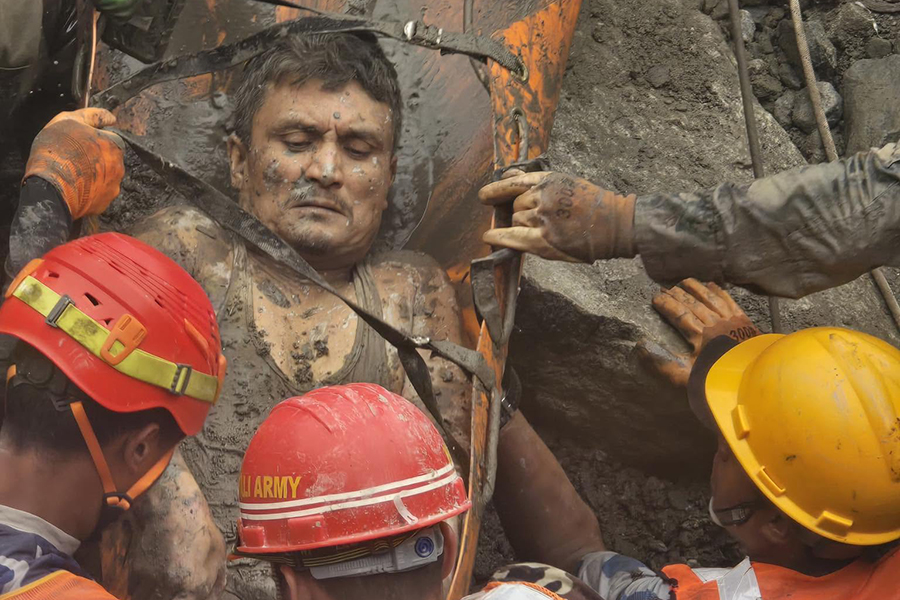
Kathmandu, September 10
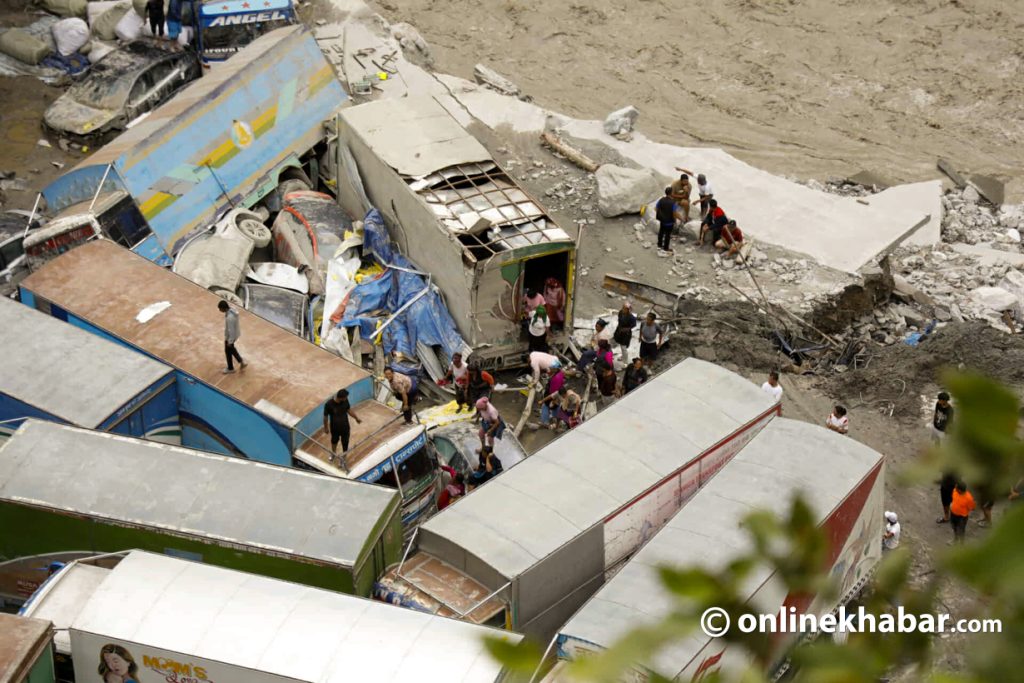
When the first patients from the Rasuwa flood began arriving at the National Trauma Centre, some appeared to have survived the worst.
But one patient brought to the hospital in the early hours of the morning was in far more serious condition than initially apparent.
Dr. Saroj Kumar Gohiwar, an MDGP and emergency medicine specialist who was on duty that night, said 10 patients from the flood-affected areas arrived at the hospital in a single night. One was referred to Bir Hospital. The others were discharged.
The patient who arrived around 3 or 4 am was different.
His heart was beating extremely fast, and there were signs that his body was not getting enough oxygen or blood. An arterial blood gas test showed severe acidosis, while markers associated with infection and a serious systemic response were extremely high. His blood pressure was very low.
Doctors treated him in the intensive care unit. He died despite their efforts.
For Dr. Gohiwar, the case illustrated a danger that can be easy to miss after a disaster: surviving the flood does not necessarily mean the immediate danger has passed.
People who appear conscious, can speak and seem physically stable may still be suffering from serious internal problems. Dehydration, electrolyte disturbances, low oxygen and poor blood circulation, acidosis, kidney injury and damage to other organs can develop or become apparent only after rescue.
The risks became more apparent when Dr. Gohiwar and a team from the National Trauma Centre travelled to the flood-affected areas, visiting Dhunche, Lingling and Syabrubesi.
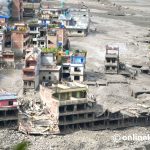
In Lingling, three houses had been washed away and eight to 10 people were reported missing. The local health post had little medicine available. Around 40 to 50 people came seeking medical care when the team arrived.
Many were not there because of injuries from the flood itself.
Patients with chronic illnesses said they had been unable to take their regular medicines. The medical team distributed the medicines that were available and coordinated for additional supplies.
For people displaced by the flood, the health threat was not limited to what the water had already done.
Some were staying in monasteries, sleeping together on black mats. Crowded conditions, contaminated water and inadequate sanitation can create an environment where infections spread quickly.
Doctors say diarrhoea, skin and wound infections and respiratory illnesses are among the immediate concerns. People exposed to cold for long periods can also develop hypothermia. Those who have spent extended periods without adequate food or water may suffer from dehydration and electrolyte imbalance.
There are also risks that are less visible.
People who have been trapped inside tunnels or under debris can survive for long periods without food or water, but survival varies greatly from one person to another. Age, existing medical conditions, access to medicines, injuries, physical condition and temperature can all affect the outcome.
The survival of some people trapped for days, therefore, does not mean that everyone in a similar situation will survive.
And rescue itself is not necessarily the end of medical care.
Doctors recommend that people pulled from tunnels, debris or other dangerous locations undergo medical assessment even when they are conscious and able to speak.
One rescued patient treated by the medical team had an eye injury that raised concern about possible damage to the optic nerve. The patient was referred to Bir Hospital for further treatment.
The flood has also left another kind of injury that may not be visible in an emergency room.
Families of those who died or remain missing face the continuing uncertainty of loss. Doctors warn that psychological effects can emerge long after the immediate crisis has ended.
Intrusive memories, fear, nightmares, sleep problems, avoidance and a heightened sense of danger can make it difficult for survivors and families to return to ordinary life. Some may eventually develop post-traumatic stress disorder.
“The trauma is not only of an individual. It is a huge blow to the family, society and the country as a whole,” Dr. Gohiwar said.
The medical response to the Rasuwa disaster, therefore, is unlikely to end when the last person is pulled from the rubble or discharged from a hospital.
For those who survived, the consequences of the flood may continue to unfold—in their bodies, in their homes and in their minds—long after the water has receded.