
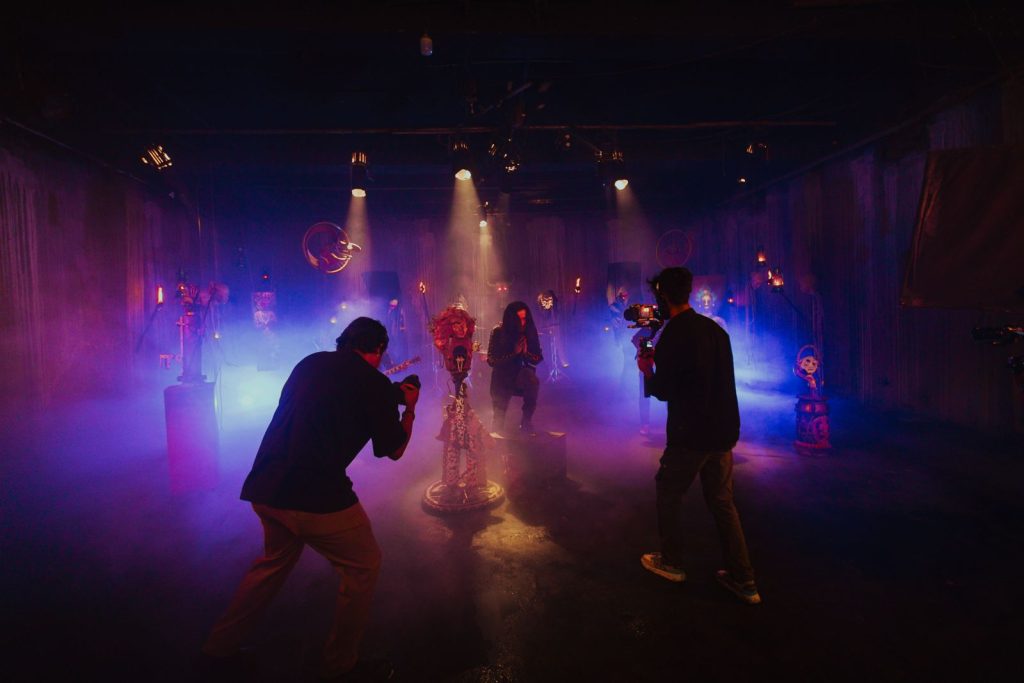
Nepal has never lacked creative people. The evidence is visible in films made with limited resources, music that travels far beyond its original audience, design rooted in local identity and young creators building communities through a phone screen. Talent appears everywhere. What remains uncertain is whether that talent is supported by an industry capable of sustaining it.
An industry is more than a collection of successful individuals. It is a system through which people can learn, work, receive fair payment, protect their rights, develop specialised skills and build careers that last longer than one successful project. Nepal has parts of that system. It does not yet have enough connection between them.
Talent is only the beginning
Creative careers are often described as if ability naturally produces opportunity. In practice, talented people leave the field because income is unpredictable, expectations are unclear, and growth depends too heavily on personal networks. A cinematographer may also have to produce. An editor may negotiate contracts, chase payments, and manage storage alone. A musician may be expected to understand branding, distribution and copyright without professional support.
This creates impressive generalists, but it can prevent specialisation. Industries mature when people can become exceptionally good at one part of the process and trust others to carry the rest. Directors need producers. Artists need managers. Productions need sound, styling, lighting, legal guidance, accounting and distribution. When these functions remain informal, the strongest people carry too much, and emerging people struggle to enter.
Audiences see the finished film, song or campaign. They do not see the contracts, production schedules, insurance, rights clearance, budgets, archives, training and professional standards behind it. Yet this invisible structure determines whether creative work can be repeated sustainably.
UNESCO’s recent work on Nepal’s cultural and creative industries recognises film, music, design, media arts and other fields as sources of cultural and economic value. Kathmandu’s designation as a UNESCO Creative City of Film and Lalitpur’s recognition as a Creative City of Music signal international acknowledgement. Designations, however, become meaningful only when they lead to practical opportunities for working creators.
Nepal needs reliable data on employment, business size, revenue, participation and barriers across the creative sector. Without it, public policy treats the field as entertainment rather than economic infrastructure. Banks struggle to understand creative businesses, investors struggle to assess them and institutions cannot see where intervention would have the greatest effect.
Professional standards protect everyone
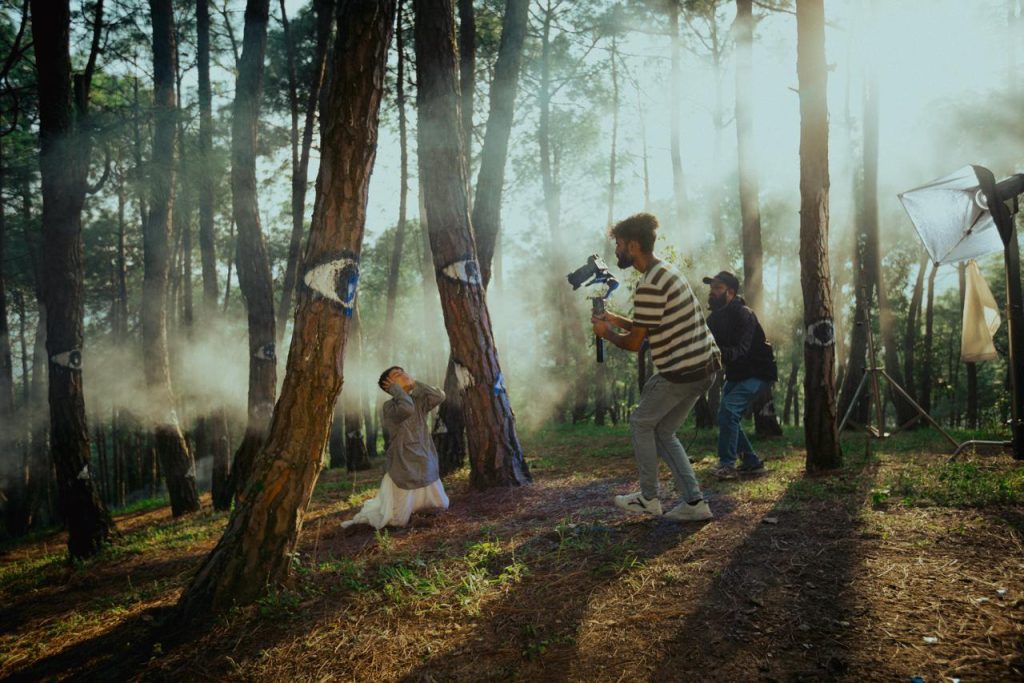
Many creative projects begin with enthusiasm and vague expectations. The scope grows, the deadline remains fixed and payment arrives late. Because the sector is relationship-driven, people hesitate to insist on written agreements. The result is not flexibility; it is avoidable conflict.
Basic standards would improve the market for both clients and creators: written scopes, payment schedules, cancellation terms, ownership clauses, credits, overtime expectations and clear approval stages. These are not bureaucratic obstacles. They make creative ambition easier by reducing uncertainty around the work.
My experience building teams through production, music and artist-focused projects has shown me that creativity and business discipline cannot be separated. The work featured across my portfolio may be the visible part, but each finished frame rests on planning, communication, budgeting and people taking responsibility when conditions change.
Many emerging filmmakers learn cameras and editing through online tutorials. That access has transformed the field. But technical instruction rarely teaches how to price work, read a contract, pay taxes, manage intellectual property, lead a crew or create a safe set.
Film and media education should treat these subjects as central rather than secondary. Apprenticeships and paid assistant roles matter just as much. Creative work is learned through proximity: watching how decisions are made, how problems are solved and how experienced people respond when a plan fails.
The sector also needs stronger bridges between education and employment. A graduate portfolio is useful, but so is understanding real production pressure. Studios and agencies can contribute through internships with defined learning outcomes, open workshops, portfolio reviews and transparent entry-level roles.
From competition to collaboration
A small market can encourage secrecy. People protect contacts, equipment knowledge and client relationships because opportunity feels scarce. But industries grow when knowledge circulates.
Shared studios, rental systems, post-production resources, professional associations and regional networks can reduce costs while raising standards.
Collaboration does not remove competition. It creates a stronger field in which competition can happen. When crews know consistent practices and clients understand the value of specialised roles, good work becomes easier to commission and deliver. That benefits independent creators as much as established companies.
Many Nepali creatives believe they must leave the country to build a serious career. International experience can be valuable, but leaving should be a choice rather than the only route to professional growth. Nepal can retain more talent by improving payment reliability, access to equipment, production finance, distribution and intellectual-property support.
It can also export creative services. Remote post-production, animation, music, design and culturally distinctive storytelling are not limited by geography. But global clients expect consistency, clarity and dependable delivery. The same professional systems that protect local creators also make Nepal more competitive internationally.
Creative visibility is rising, but visibility alone is fragile. A viral video does not create health insurance. A successful song does not automatically build a label. One major campaign does not guarantee that a production crew can work safely next month.
Nepal already has the imagination. The next task is to build conditions in which imagination can become sustained work: better data, clearer contracts, practical education, investment, collaboration and respect for every role behind the finished product. Talent creates remarkable moments. An industry gives those moments somewhere to go.