
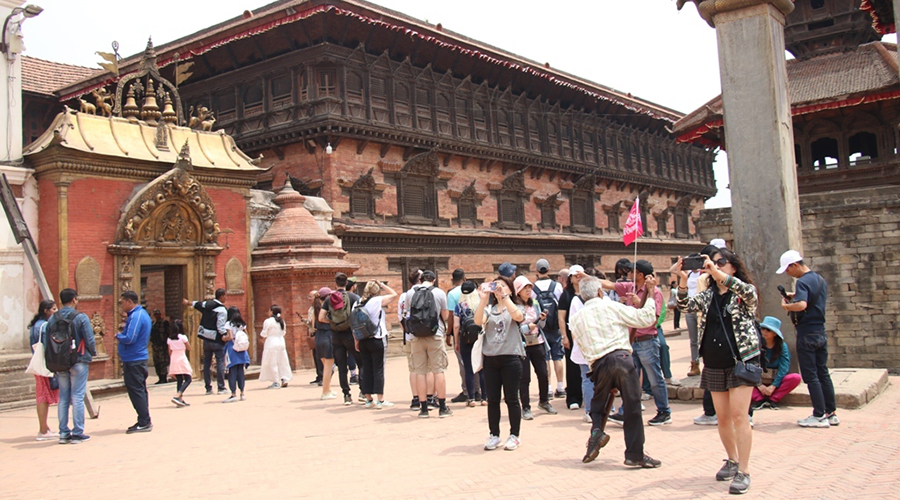
Nepal has never lacked tourism potential. We have the Himalayas, a rich cultural and spiritual heritage, diverse landscapes, wildlife, adventure, hospitality and a geographical advantage that puts us next to two of the world’s largest tourism markets, India and China. Few countries can offer such a diverse range of experiences within a relatively compact geographical space.
Yet, we continue to struggle to translate these advantages into the tourism growth we aspire to achieve. Our international tourism recovery has been uneven, destination positioning remains a challenge, tourism products need greater diversification, and the industry’s contribution to the economy remains below what its potential suggests.
This is not to say that Nepal has done nothing. Over the years, considerable effort has gone into tourism promotion, policy development, international marketing and industry engagement. But perhaps it is time to ask a more uncomfortable question. Is Nepal’s tourism challenge really a lack of ideas, expertise and promotional activities, or is it a lack of leadership capable of turning these efforts into results?
As Nepal Tourism Board (NTB) prepares for new leadership, this question deserves serious consideration. The next CEO will inherit an institution with nearly three decades of experience, established networks and an important mandate. The challenge will not simply be to continue what the Board has been doing, but to rethink how it works, what it prioritises and how it measures success.
I believe NTB needs a strategic leader who understands tourism, but who also knows how to lead an institution, mobilise stakeholders, make decisions and get things done.
We have promoted Nepal. But what have we achieved?
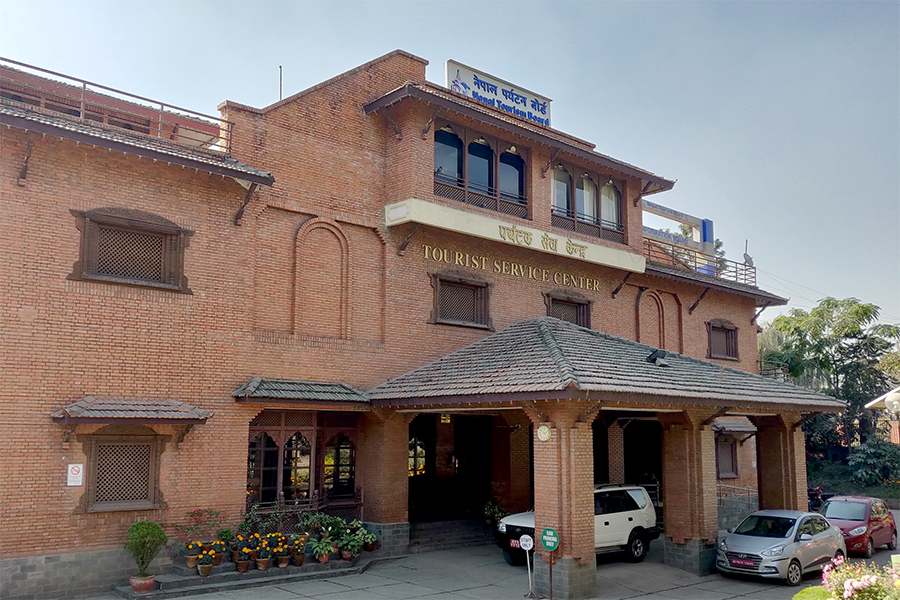
Nepal Tourism Board was established in 1997 under a public-private partnership model, with the intention of bringing the government and private sector together to develop and promote Nepal’s tourism industry. It was an important institutional arrangement that recognised tourism as an industry largely driven by private investment, entrepreneurship, innovation and market relationships.
Since its establishment, NTB has participated in international tourism fairs, organised promotional events, conducted familiarisation trips, engaged with international media and undertaken destination branding campaigns. Nepal has also developed tourism policies, strategic frameworks and development plans. There is considerable institutional knowledge and experience within the Board and across the wider tourism industry.
But tourism promotion should not be judged by the number of events organised, the number of fairs attended or the number of campaigns launched. These are activities, not necessarily outcomes.
What matters is whether these efforts have helped Nepal penetrate new markets, attract more visitors, increase visitor spending, extend the average length of stay, encourage investment, develop new tourism products and strengthen the competitiveness of Nepal as a destination.
Have our promotional activities helped tourism businesses access new markets? Have we been able to identify and develop products that respond to changing traveller preferences? Have we used research and market intelligence to decide where and how to promote Nepal? And has the Board’s work made a tangible difference to the businesses and communities that depend on tourism?
These are questions NTB should be asking itself regularly.
We must also acknowledge that the global tourism market has changed considerably. Travellers have different expectations, digital platforms have transformed how destinations are discovered and marketed, and competition among destinations is becoming increasingly sophisticated. Continuing to rely on familiar promotional approaches without examining their effectiveness will not necessarily deliver better results.
Nepal cannot afford to promote everything to everyone. We need to understand who we want to attract, what those travellers are looking for and how Nepal can offer experiences that are distinctive, competitive and commercially viable. Tourism promotion must be guided by research, market segmentation and a better understanding of visitor behaviour.
The country has a diverse range of tourism offerings, from pilgrimage and adventure to culture, heritage, wildlife, wellness and recreational activities. But having a product is not the same as successfully bringing it to market. Product development, packaging, accessibility, service quality, marketing and investment must work together.
From promoting destinations to developing tourism markets
Nepal’s tourism strategy needs to move beyond simply showcasing its attractions. We need to think more carefully about how tourism products are developed, positioned and sold to different markets.
Adventure and mountain tourism have long been associated with Nepal, and they remain important. But we should not limit our thinking to established products. There are opportunities to develop and promote experiences that respond to emerging interests and create greater value for tourism businesses and local communities.
Wellness tourism, for instance, deserves serious attention. Nepal’s spiritual traditions, yoga, meditation, natural environment and association with peace offer a distinctive foundation for developing wellness experiences. There is an opportunity to bring together these strengths, develop professionally managed products, encourage investment and establish Nepal as a credible destination for wellness travellers.
The declaration of 2027 as Nepal Wellness Tourism Year should therefore be approached as more than a promotional exercise. It should be an opportunity to develop products, strengthen professional capacities, bring businesses together, establish international partnerships and create a market that continues to grow beyond the designated year.
The success of the initiative will depend on what we do before, during and after 2027. Organising events and generating publicity will not be enough. We need to create experiences that visitors can actually book, businesses that can deliver them professionally and marketing strategies that reach the right audiences.
This is where NTB must play a more strategic role. It should help identify opportunities, bring stakeholders together, facilitate partnerships, encourage product development and ensure that promotional efforts are connected to actual market demand.
We need to make a shift from simply increasing tourist numbers to attracting visitors who stay longer, spend more, explore more destinations and contribute meaningfully to local economies. This does not mean abandoning volume, but recognising that tourism growth should also be measured by the value it creates.
The private sector cannot remain an occasional partner

Nepal’s tourism industry has largely grown through the efforts of private entrepreneurs. Hotels, travel agencies, trekking companies, mountaineering operators and other tourism businesses have invested in infrastructure, developed products, built international relationships and promoted Nepal through their own networks.
Organisations such as NATTA, HAN, TAAN, NMA and other tourism associations have accumulated considerable experience in their respective fields. They understand their markets, maintain industry networks and have often taken initiatives to promote Nepal and develop tourism products.
NTB should make better use of this experience.
The relationship between the Board and the private sector needs to go beyond participation in promotional events, travel fairs and occasional consultations. The private sector should have a meaningful role in shaping tourism priorities, identifying markets, developing products, designing campaigns and evaluating the effectiveness of promotional activities.
The public-private partnership model under which NTB was established should be reflected more strongly in its day-to-day functioning. Partnership should not depend on the personal relationship between the CEO and industry representatives, nor should it be limited to individual programmes. It should be institutionalised through meaningful collaboration and shared responsibility.
The Board also needs to create an environment in which tourism businesses, particularly small and medium-sized enterprises, can access markets, develop products, attract investment and benefit from promotional initiatives. NTB cannot directly resolve every business constraint, but it can help facilitate partnerships, provide market intelligence, coordinate stakeholders and advocate for policies that support the industry.
Nepal’s diplomatic missions, Nepali diaspora, international media, influencers and private-sector networks are also resources that remain underutilised in many aspects of destination promotion. These networks can help Nepal reach new audiences, build destination awareness and strengthen its international presence, but their engagement needs to be coordinated and purposeful.
Tourism promotion cannot be the responsibility of NTB alone. It requires a wider network of institutions, businesses, communities and individuals working towards a common objective. The Board should be capable of bringing these stakeholders together and making that collaboration productive.
The next CEO must first be capable of leading NTB
While tourism promotion and industry engagement are important, the incoming CEO must also turn attention towards the institution itself.
NTB cannot expect to lead change in Nepal’s tourism industry if it is not prepared to examine its own organisational structure, working practices, management systems and performance. Institutions must evolve with the industries they serve. New markets, changing consumer preferences, digital technologies and emerging tourism products require different capabilities and ways of working.
The incoming CEO should undertake a serious assessment of NTB’s organisational structure, departmental responsibilities, staffing, resource utilisation, decision-making processes and performance management systems. This should not be an exercise in restructuring for the sake of restructuring. The purpose should be to understand what is working, what is not and what needs to change to make the institution more effective.
The Board needs a working culture in which responsibilities are clear, decisions are made in a timely manner and programmes are evaluated against their intended outcomes. Annual programmes and budgets should be aligned with strategic priorities, and departments should be accountable for delivering what they are assigned.
The use of research and data must also become an integral part of NTB’s work. Tourism marketing without adequate market intelligence risks wasting resources. The Board should strengthen its research capacity, collaborate with universities and research institutions, collect visitor feedback and use reliable data to guide marketing, product development and investment decisions.
Human-resource development should be part of this transformation. Tourism is changing, and the skills required to manage and promote destinations are expanding. Digital marketing, destination management, wellness tourism, customer experience, sustainable tourism and market research are areas in which the industry and NTB itself need stronger capabilities. Collaboration with universities, NATHM, CTEVT and professional organisations can help bridge these gaps.
The Board should also pay greater attention to domestic tourism. Domestic travel supports local businesses, helps sustain tourism infrastructure and encourages younger generations to explore the country. It also provides destinations with a degree of resilience when international travel is affected by external crises. Domestic tourism should be treated as an integral part of tourism development, rather than as a secondary market.
What should we expect from the next CEO?
The appointment of the next CEO is an opportunity to rethink what leadership at NTB should mean. The selection process should look beyond academic qualifications, professional seniority or familiarity with the tourism industry. These are important, but the institution also needs someone with a demonstrated ability to manage people and resources, build partnerships, make strategic decisions and deliver measurable results.
The next CEO should arrive with a clear understanding of NTB’s mandate, the challenges facing Nepal’s tourism industry and the institution’s existing strengths and weaknesses. More importantly, they should be able to translate that understanding into a realistic plan of action.
The Board should have clear priorities, measurable objectives and a mechanism for reviewing progress. Whether it is market development, product diversification, institutional reform, private-sector engagement or digital transformation, the work should be evaluated against what it achieves rather than simply what it sets out to do.
The CEO’s responsibility is not to solve every problem facing Nepal’s tourism industry. Many challenges involve other government agencies, local governments, infrastructure providers and the private sector. But the CEO should be able to make NTB a more effective institution for coordination, advocacy, partnership-building and implementation.
Nepal has spent years talking about its tourism potential. We have the attractions, the businesses, the experience and the institutional foundations. What we need now is the ability to bring these together more effectively.
The next CEO should not simply be someone who knows tourism. They should be someone who can lead, make decisions, build trust, mobilise resources and turn ideas into results. That is the kind of leadership Nepal Tourism Board needs, and the kind of leadership the tourism industry should expect.