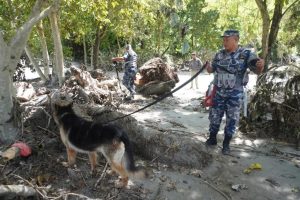

The state of police offices, barracks and toilets across Nepal is dire. In many Nepal Police units, there are no buildings or toilets of their own. Where facilities do exist, they are so dilapidated that officers worry about their own equipment; the very people meant to protect citizens are preoccupied with keeping their own gear safe.
800 units without offices or toilets
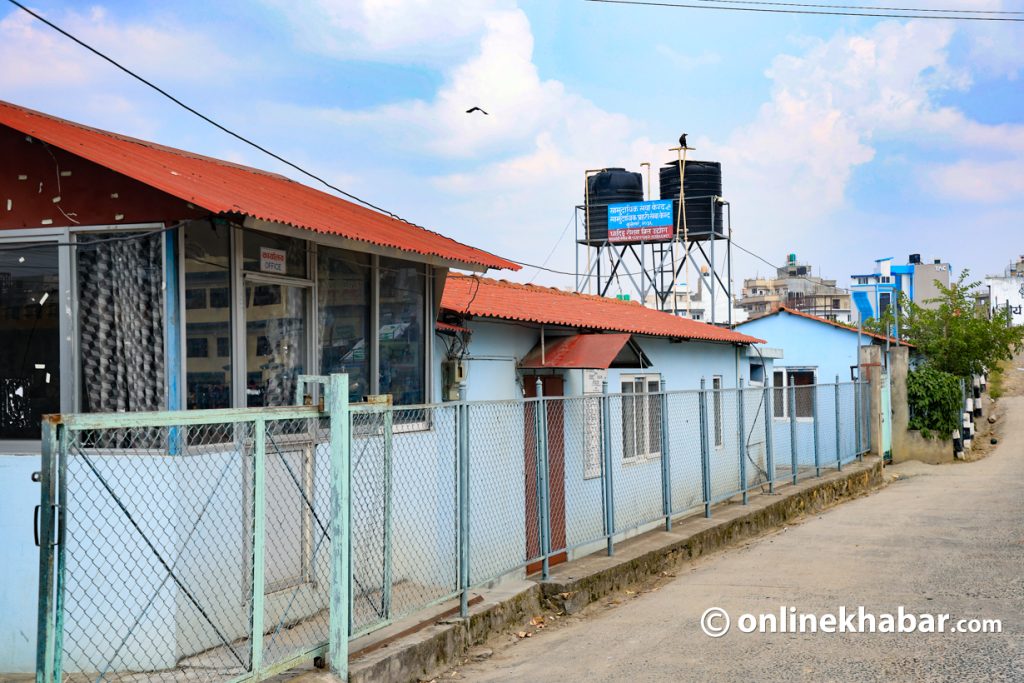
The situation is even grimmer than what Inspector General of Police (IGP) Dan Bahadur Karki described to the National Assembly. Data now reveals that close to 800 Nepal Police units lack both office buildings and toilets.
According to Nepal Police Central Spokesperson and DIG Abhi Narayan Kafle, out of 2,660 police units across the country, 789 units have no toilets and 781 have no office buildings. The problem is not confined to remote areas; even units within the Kathmandu Valley are without toilets. Of the Valley’s 172 units, 51 have no toilet facilities. Some units have rigged up makeshift arrangements; others depend on neighbours.
The province-wise breakdown of units without toilets is Koshi 113, Madhesh 97, Bagmati 79, Gandaki 102, Lumbini 122, Karnali 108, Sudurpashchim 85, Kathmandu Valley 51, and units directly under Police Headquarters 32, totalling 789.
The toll on officers is real.
“Units have had to manage on their own with temporary solutions. Traffic police on street duty are the worst off, they have to scramble to find a hotel or public toilet,” says a Superintendent of Police posted in the Valley.
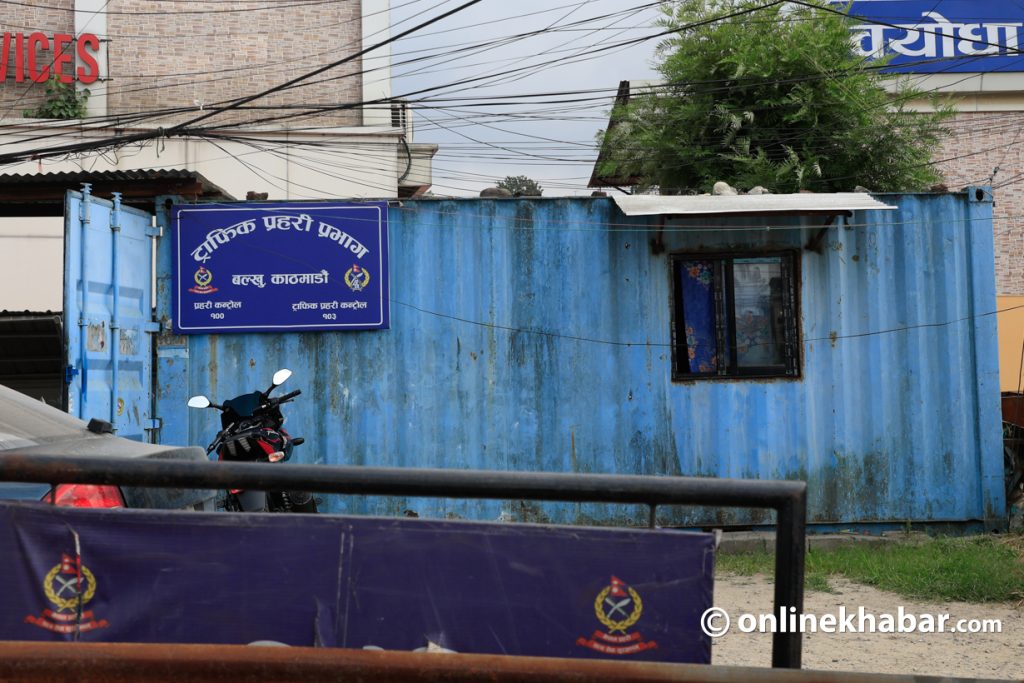
As for office buildings, 781 units are without one. Officers in these locations work in tents, truck beds, thatched shelters or fenced-off open spaces.
The province-wise count is Koshi 109, Madhesh 99, Bagmati 75, Gandaki 102, Lumbini 122, Karnali 105, Sudurpashchim 81, Kathmandu Valley 56, and 32 under Police Headquarters.
363 units operating from rented premises
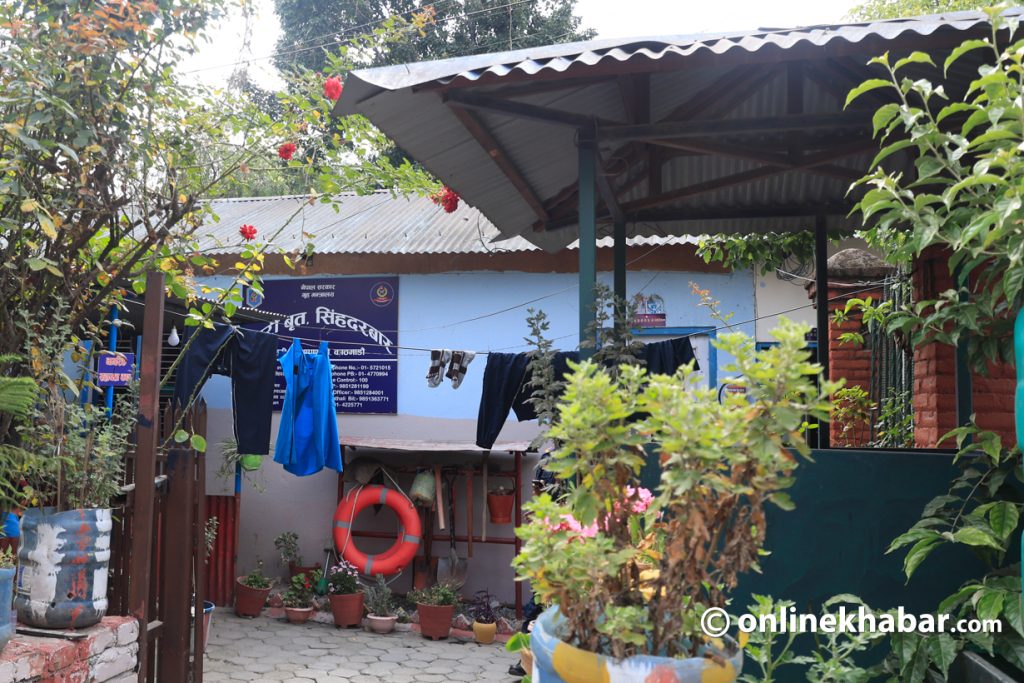
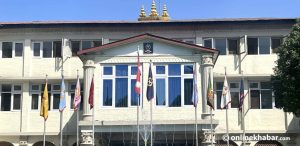
Even some of Nepal’s most specialised investigative units, the Central Investigation Bureau (CIB), the Narcotics Control Bureau, and the Anti-Human Trafficking Investigation Bureau, have no land or buildings of their own and continue to operate from rented premises.
The CIB currently occupies land and a building in Lazimpat belonging to Nepal Trust, which has repeatedly asked the CIB to vacate. Only recently, after the government announced plans to strengthen and resource the CIB, has it begun looking for its own land.
The Balkhu police beat operates from a tin-roofed shed on Tribhuvan University land. In the Valley alone, 11 police offices are in rented premises, while 45 others are housed in buildings belonging to other government agencies.
Nationwide, 363 police units run from rented buildings: Koshi 45, Madhesh 21, Bagmati 42, Gandaki 47, Lumbini 58, Karnali 80, Sudurpashchim 55, Kathmandu Valley 11, and 4 directly under Police Headquarters. A further 418 units operate from buildings belonging to other government bodies.
Of the country’s 2,660 police units, 674 do not own the land they sit on. In the Valley, 92 of 172 police offices are on land that does not belong to Nepal Police. Province-wise figures for units without their own land are Koshi 83, Madhesh 120, Bagmati 81, Gandaki 62, Lumbini 110, Karnali 46, Sudurpashchim 50.
Barracks and mess halls in the same state
Lower-ranking officers typically live in barracks, and the shortage of barracks adds a financial burden; without one, they must rent rooms privately.
Of the 2,660 police units, 835 lack barracks. Similarly, 825 units have no mess hall or canteen. Even in the Valley, 56 units remain without a mess facility.
When will police get their own buildings?
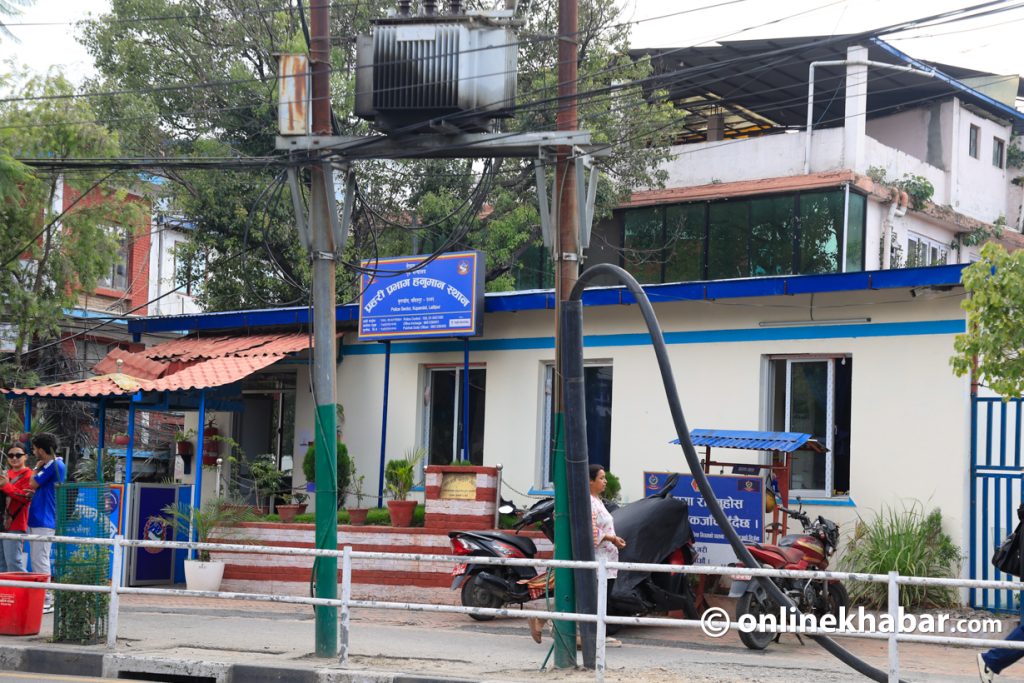
A police post in Rakse, Beni Municipality-4 of Myagdi district, was established three decades ago but only just received its own building, inaugurated on June 18 by Gandaki Province Police Chief DIG Dipendra Gharti Chhetri. For roughly 33 years it operated from a rented house. The building, constructed on two ropani of land purchased back in 2010, cost Rs 3.51 million, with Gandaki Province providing the budget.
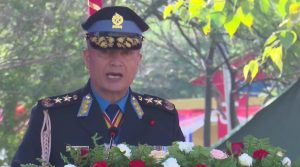
IGP Karki, addressing the National Assembly’s Committee on Federalism Strengthening and National Concerns on June 8, pointed out that 263 permanent posts are already dilapidated, with no count even kept for temporary ones.
“Police personnel who work all day should at least be able to rest comfortably in the evening like any ordinary citizen,” he said.
Home Minister Sudhan Gurung, speaking during debate on the Appropriation Bill 2083 on June 18, said a budget has been allocated to construct 79 buildings for both Nepal Police and Armed Police Force in the coming year.
He added that he has directed security agencies to prepare a consolidated report on land, buildings and equipment needs, and that efforts are underway to transfer land currently registered under other government bodies into Nepal Police’s name.