Kathmandu, August 23
A global shortage of memory chips, driven by the rapid expansion of artificial intelligence and rising demand from data centres, is beginning to hit consumers, with Amazon raising prices of several popular electronic devices.
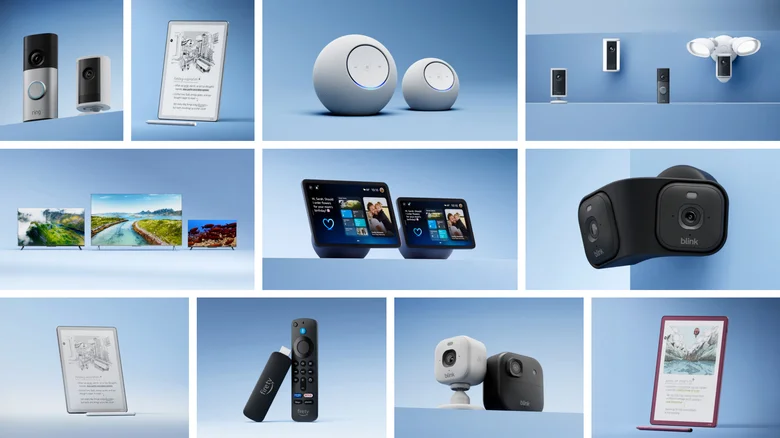
Amazon has increased the prices of devices including its Echo speakers, Fire TV, Kindle e-readers and Eero routers, with some products becoming as much as 60 percent more expensive.
The Echo Dot has been among the hardest-hit products. Its price has risen from $49.99 to $79.99, a 60 percent increase that adds $30 to the cost of the popular smart speaker.
Similarly, the 16GB Kindle e-reader has become $40 more expensive, with its price increasing to $149.99. Price increases have also been applied to products ranging from streaming sticks to home networking equipment.
Amazon has attributed the increases to rising costs associated with its products.
The problem is not limited to Amazon. Apple has also raised prices on some products amid increasing memory chip costs, while Microsoft has taken similar measures with Xbox hardware.
The shortage has been exacerbated by cloud companies and large data centres purchasing huge quantities of memory chips for AI infrastructure.
According to a report by JPMorgan Global Research, prices of dynamic random-access memory (DRAM) chips could increase by 400 percent or more between the beginning of 2024 and the end of 2026.
Budget-priced gadgets are expected to bear the greatest impact from the shortage and rising component costs.
The International Data Corporation (IDC) has warned that the crisis could reduce global supplies of PCs and smartphones, with sales of lower-priced smartphones particularly vulnerable to a decline.
While major cloud providers, including Microsoft and Amazon, have sought to limit price risks through long-term supply agreements, consumers have fewer options to avoid the higher costs.
Various technology publications have reported that the supply shortage and resulting price pressures are unlikely to ease significantly before 2027.