



Kathmandu, October 13
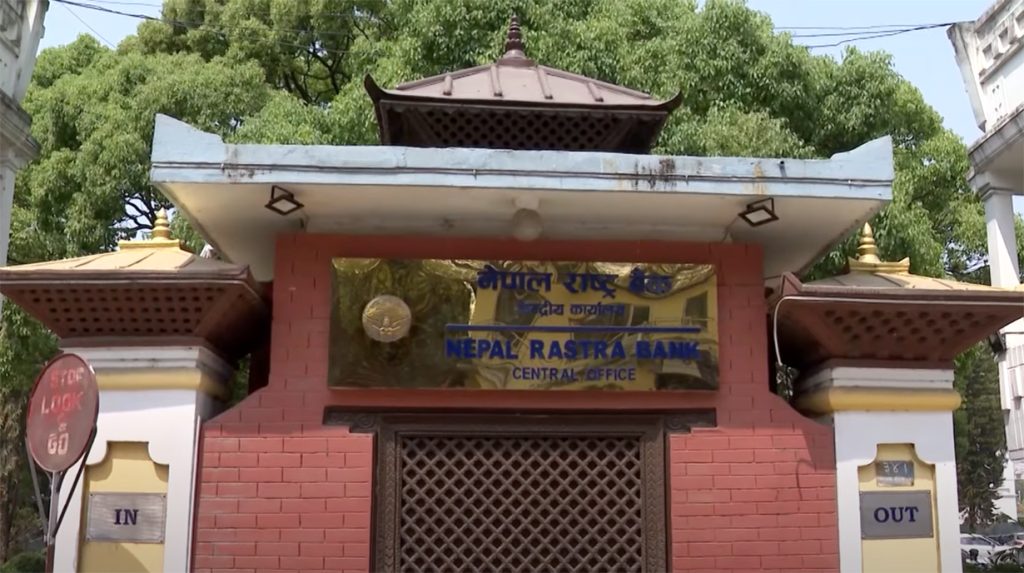
A parliamentary committee has approved amendments to the Nepal Rastra Bank Act that could significantly weaken the central bank’s autonomy, with provisions allowing the government to issue directives to the bank, making the implementation of government economic policies one of its objectives, and reducing the tenure of its governor and other top officials.
The amendments were approved by the House of Representatives’ Finance Committee on September 16, despite concerns raised by opposition lawmakers that the proposed changes could increase political interference in the central bank.
The changes have also revived questions about the respective roles of the government and Parliament in lawmaking, particularly when proposed legislation involves the interests of the executive.
Although the government had initially proposed amendments to the Nepal Rastra Bank Act, 2002, that included provisions intended to strengthen the central bank’s autonomy, the Finance Committee introduced significant changes during clause-by-clause deliberations.
Under the committee-approved bill, the government would be able to direct Nepal Rastra Bank on matters relating to currency, banking and finance. The central bank would also be required to support the implementation of the government’s economic policies as one of its stated objectives.
The bill further proposes reducing the tenure of the governor, deputy governors and board directors from five years to three years, with the government able to extend their terms by up to two years based on performance.
Critics say the combined effect of these provisions could make the central bank more vulnerable to government influence, undermining its ability to make independent monetary policy decisions.
How the government and Parliament shape legislation
The controversy surrounding the Nepal Rastra Bank Act amendment is not an isolated case. Previous legislative attempts involving civil servants and the Commission for the Investigation of Abuse of Authority (CIAA) illustrate how both the government and parliamentary committees can shape, stall or alter legislation according to their political and institutional interests.
A civil service bill registered in the House of Representatives on February 10, 2019, was passed by the State Affairs and Good Governance Committee on June 29, 2020. The committee’s report, however, included a dissenting position from the then minister for federal affairs and general administration, Lal Babu Pandit, as well as seven points of dissent from the Nepali Congress, the main opposition party at the time.
The report was presented to the House only on April 5, 2021. The government eventually withdrew the bill on October 8, 2021.
The government registered a new version on March 4, 2024, and referred it to the parliamentary committee for clause-by-clause deliberations on May 28 that year. The committee approved its report on May 15, 2025.
However, the process was mired in controversy after provisions relating to a cooling-off period for civil servants were altered in the committee report. An investigation committee subsequently concluded that irregularities had occurred.
The cooling-off period, intended to prevent senior civil servants from immediately taking up politically connected appointments after leaving government service, had faced lobbying against it from the chief secretary and secretaries, according to the account of the legislative process.
The bill was passed by the House and sent to the National Assembly, but became inactive after the House was dissolved on September 12, 2025.
The current government registered the bill for a third time on October 1.
A similar pattern emerged with the third amendment bill to the CIAA Act, reg