Kathmandu, November 10
Gold has delivered a 17.72 per cent price return in Nepal over the past year, rising from Rs 241,500 per tola on November 10 last year to Rs 284,300 per tola currently.
However, the precious metal has fallen considerably from its record high. On January 29 this year, gold reached Rs 339,300 per tola, the highest price ever recorded in the Nepali market. It has since dropped by Rs 55,000 per tola.
While gold prices in Nepal increased by 17.72 per cent over the year, the rise in the international market was just 3.54 per cent. The higher increase in Nepal has been attributed to a customs duty hike and the appreciation of the US dollar. Through the latest budget, the government raised customs duty on gold from 10 to 20 per cent.
Silver has delivered an even higher return over the same period, gaining 25.77 per cent. Its price increased from Rs 3,065 per tola on November 10 last year to Rs 3,855 currently.
Silver also reached a record high of Rs 7,505 per tola on January 29. Since then, its price has fallen by Rs 3,650 per tola, almost half its peak value.
Those who bought gold or silver near their record highs have incurred losses as prices have declined. The fluctuations highlight that investments in precious metals do not necessarily generate short-term returns, particularly when purchased at elevated prices.
Limited investment options in Nepal
Investment in gold in Nepal is also constrained by regulatory provisions. Buying and selling raw or bullion gold is not permitted, and such transactions are considered illegal.
“Buying or selling raw or bullion gold is not permitted and is illegal. However, people can physically purchase and hold gold in the form of jewellery,” says Dharmasundar Bajracharya, first vice-president of the Federation of Nepal Gold and Silver Dealers’ Association.
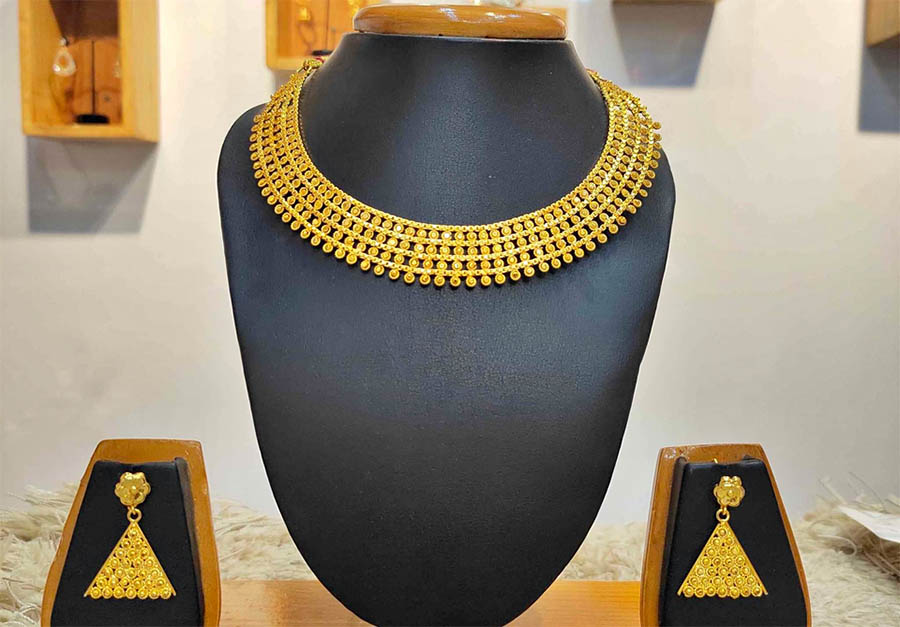
Jewellery can therefore serve as a way to hold gold, but it comes with additional costs, including making charges and wastage. Traders can charge up to 12 per cent of the total price as making and wastage fees.
When the jewellery is sold later, the buyer receives the prevailing market price for the gold on that day. If the market price remains unchanged, the amount paid in making and wastage charges effectively becomes a loss.
Traders say buyers can reduce these costs by opting for simple designs with little or no wastage. Some people choose plain rings or bangles, which can be made with labour charges of less than 5 per cent. Such designs may be more suitable for those purchasing jewellery primarily to hold gold.
Storage also adds to the cost
Keeping physical jewellery at home carries risks, including theft and other criminal incidents. Bank lockers offer an alternative, but they involve additional expenses.
Locker charges start at around Rs 3,000 annually and increase depending on the size of the locker. Customers must also deposit a minimum of Rs 10,000 as a security deposit.
Even bank lockers do not guarantee complete protection. According to the source, customers may not receive compensation if a locker is destroyed due to a major disaster or crisis.
Unlike in several other countries, Nepal also does not offer convenient options for buying and selling digital units of gold and silver. In India and other markets, investors can buy and sell units of precious metals digitally through exchange-traded funds (ETFs).
With such investment options unavailable in Nepal, prospective buyers need to consider price fluctuations, transaction costs and the risks involved in storing physical gold and silver before investing.