

Kathmandu, September 27
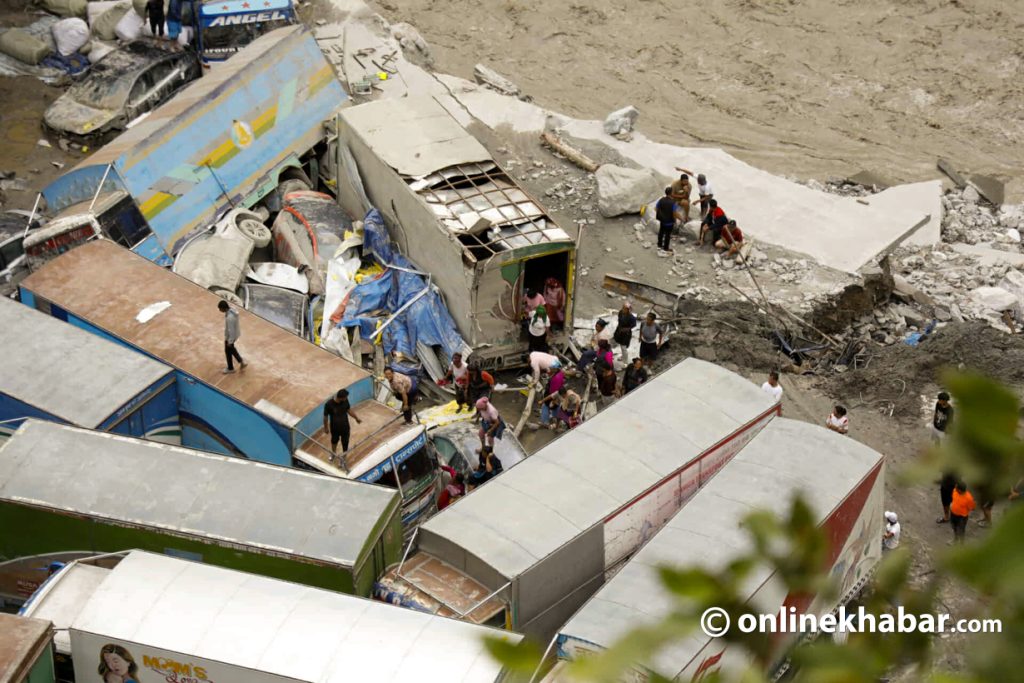
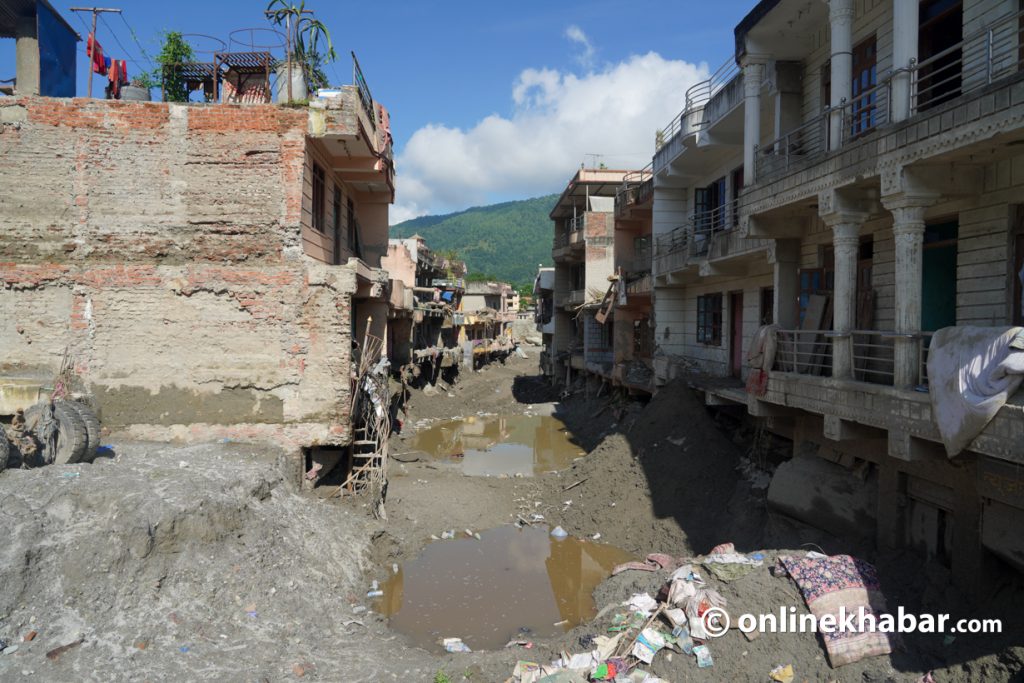
Floods have damaged structures and transmission line towers of the 40 MW Rahughata Hydropower Project in Myagdi, which was recently completed and connected to Nepal’s national power grid.
The project, located in Raghuganga Rural Municipality, suffered damage after the Rahughanga River swelled following heavy rainfall.
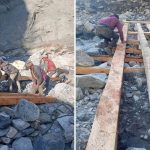
According to the Nepal Electricity Authority (NEA), the flood also damaged transmission line towers. A technical team has been deployed to assess the extent of the damage and begin restoration work.
The project was built by RaghuGanga Hydropower Limited, a subsidiary of the NEA, and had only recently been connected to the national grid.
The project began generating electricity through its two 20 MW units and started supplying power to the national grid from September 24.
The damage to the project and transmission infrastructure could affect its test generation and preparations for commercial operation. However, the extent of the damage and its impact on power generation will be determined after the technical team completes its assessment.
The Rahughata Hydropower Project is located in Raghuganga Rural Municipality and uses water from the Rahughanga River to generate 40 MW of electricity.
The project’s major structures are located on the left bank of the Rahughanga River, while its powerhouse is situated in the Galeyshwar area on the right bank of the Kali Gandaki River.
The project includes a 25-metre-high dam, two spillways, an undersluice, an 80-metre-long two-bay desander, a 6.27-kilometre headrace tunnel, a 53.2-metre surge tank, a 1,026-metre pressure shaft and two penstocks that carry water to the powerhouse.
The project is designed to generate around 247.9 million units of electricity annually. The generated electricity is connected from the project’s switchyard to the Dana-Kushma transmission line through a roughly 600-metre-long 220 kV transmission line.
RaghuGanga Hydropower Limited, which is wholly owned by the Nepal Electricity Authority, developed the project with concessional financing from India’s EXIM Bank also involved in the investment.
The project was completed after a process spanning nearly two decades. Physical construction and equipment installation were completed in August, after which both units underwent testing before being connected to the national grid.
The technical team is currently assessing which structures were damaged, which transmission line towers were affected and how long restoration could take.
The NEA said the actual impact on power generation and transmission will become clear only after the assessment is completed.