
Kathmandu, August 27
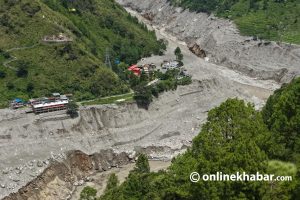
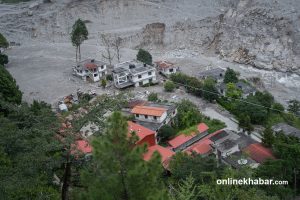
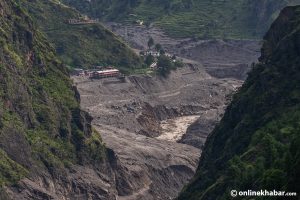
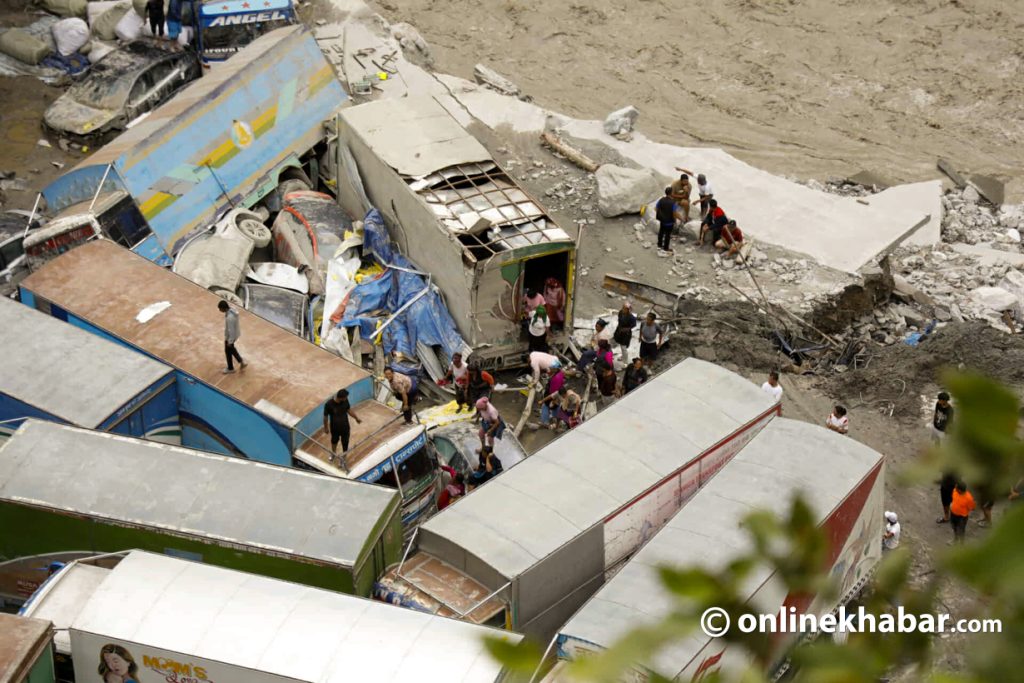
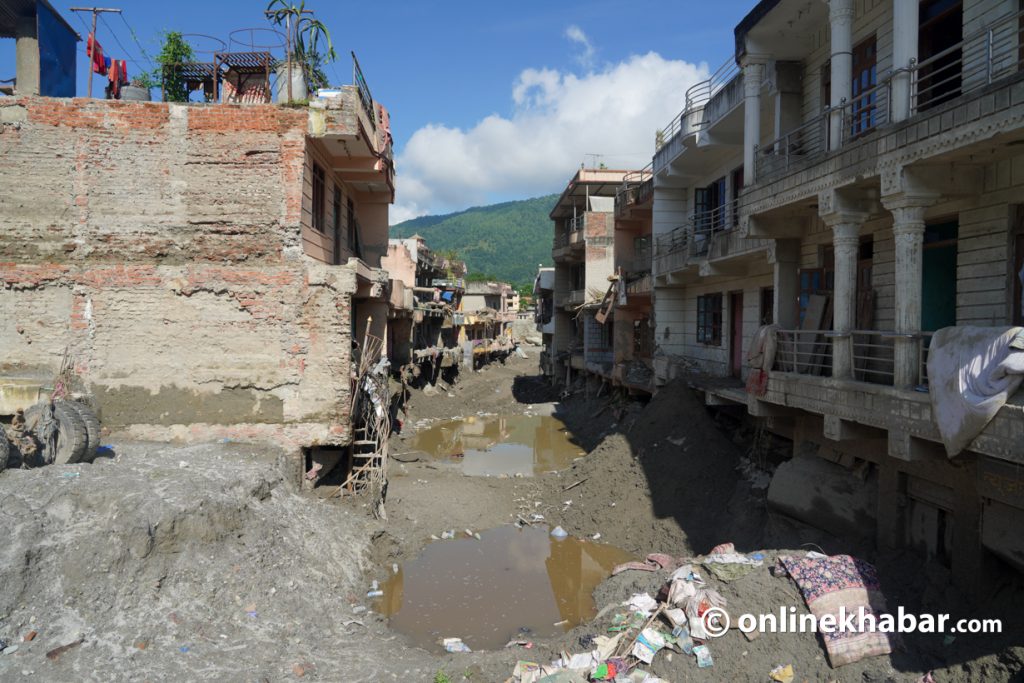
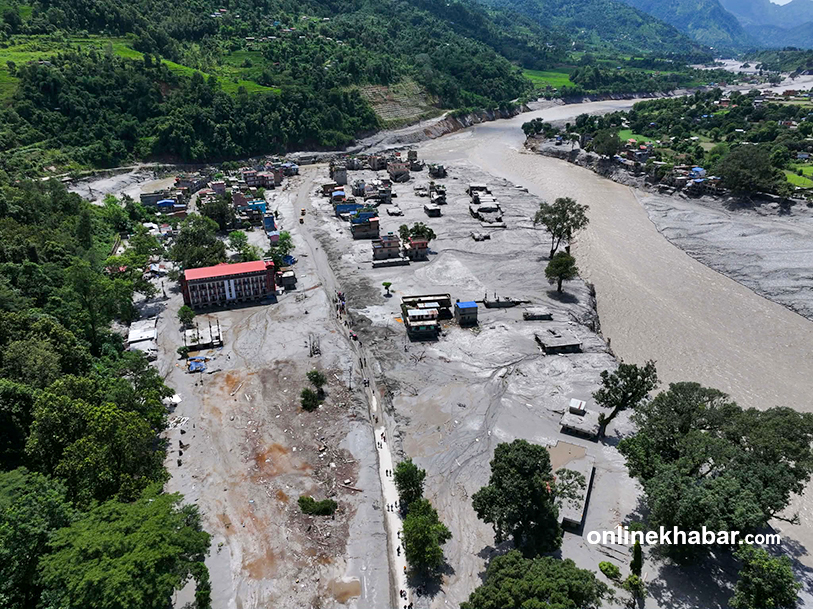
As of Wednesday evening, 359 bodies had been recovered from the Bhotekoshi flood, according to Nepal Police, with more than 900 people still out of contact, according to the National Disaster Risk Reduction and Management Authority.
Beyond the immediate loss of life and property, doctors warn that floods and landslides sharply raise the risk of infectious disease. Contaminated water, unsafe food, poor waste management, overcrowding, and rising mosquito populations can fuel outbreaks of cholera, diarrhoea, typhoid, leptospirosis, dengue, malaria, and respiratory illness in affected areas.
Nuwakot’s Bidur Municipality Deputy Mayor Prabha Bogati said bodies have been washing down the river, warning of serious health risks to nearby communities if not managed properly.
Cholera and diarrhoea risk is high
Public health expert Dr Baburam Marasini said infectious disease risk is elevated in flood-hit settlements like Timure, Syafrubesi, Betrawati, and Trishuli, as well as surrounding areas reliant on the same water sources.
Contact with cattle waste and contaminated water also raises leptospirosis risk, he said, urging health authorities to maintain active disease surveillance. He pointed to Pakistan’s devastating 2022 floods, after which the WHO reported rising cases of diarrhoea, cholera, malaria, dengue, skin infections, and respiratory illness, showing that health risks persist long after floodwaters recede.
Safe water and food come first
Infectious disease specialist Dr Sher Bahadur Pun said that since water sources are often destroyed or contaminated during floods, a lack of safe drinking water can become an even bigger problem than food shortages. Displaced people, having lost homes or family members, often cannot prioritise hygiene themselves, so relief workers must prioritise clean water and safe food first. Water should be boiled or purified using health-authority-approved methods, following recommended chlorine or tablet dosages rather than over-treating. Food touched by floodwater, spoiled, or left uncovered for long periods should not be eaten, and raw and cooked food should be kept separate.
Sanitation and toilets need urgent attention
With many toilets unusable, open defecation risks contaminating water and soil, spreading disease between people. Proper toilet facilities at temporary camps are essential.
Dr Marasini emphasised handwashing with soap before cooking or eating, after using the toilet, and after caring for the sick, as a simple but effective preventive measure. Camps should also prevent indiscriminate waste disposal and safely manage animal carcasses.
Mosquito-borne disease risk
Family physician Dr Bishwaraj Dawadi said stagnant water pooling after floods can boost mosquito populations, raising dengue and malaria risk, while mixing of sewage, dead animals, and contaminated food raises bacterial infection risk generally.
Children and elderly people face a higher risk of pneumonia and other infections, and those with existing conditions may worsen without regular medication. Precautions should include mosquito nets, covering the body, and preventing standing water near homes and camps.
Camps need extra caution
Crowded temporary camps make it easy for colds, flu, pneumonia, and skin infections to spread. Anyone with fever, persistent cough, breathing difficulty, diarrhoea, vomiting, or skin infection should notify health workers immediately.
Dr Pun advised isolating suspected infectious cases where possible, with special priority given to children, the elderly, pregnant women, and those with chronic illness.
Relief needs to include health supplies, not just food
Rice, lentils, and noodles alone aren’t enough; clean water, purification supplies, soap, mosquito nets, sanitation materials, and essential medicines are equally vital parts of relief efforts, experts say.
Dr Pun advised that anyone in flood-affected areas showing watery diarrhoea, repeated vomiting, fever, body aches, headache, breathing difficulty, skin infection, or unusual weakness should contact a health facility immediately. Severe diarrhoea, continuous vomiting, reduced urination, extreme weakness, or unconsciousness require immediate hospitalisation.
Experts stress that effective disease surveillance, alongside treatment, is critical after any disaster, so that outbreaks can be caught and controlled before they spread further.