Kathmandu, September 2
A regional technical task force involving South Asian countries has been formed to study the risks natural disasters pose to electricity generation, transmission and cross-border power trade.
Nepal’s Electricity Regulatory Commission (ERC) will lead the task force, according to the commission.
The decision to form the regional technical group for technical studies and research on disaster-resilient electricity regulation was taken at meetings of the executive committee and board of directors of the South Asian Forum for Infrastructure Regulation (SAFIR).
The meetings were held in Manesar, Haryana, India, on Bhadra 14 and 15. The decision also provides for the active participation of regulatory bodies from India, Bhutan, Bangladesh and Sri Lanka.
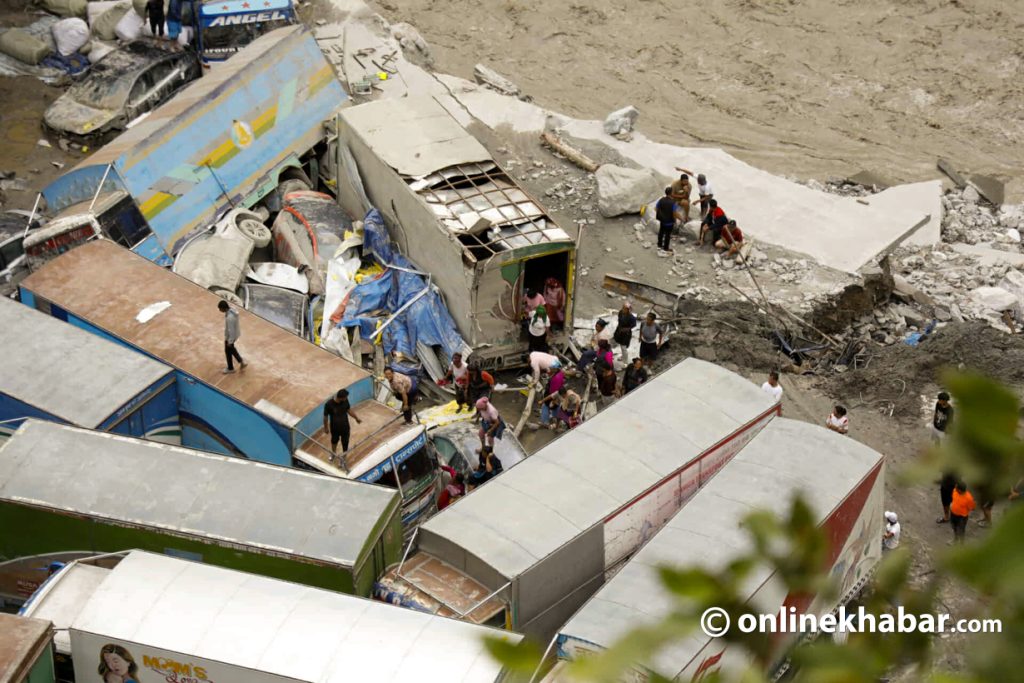
The need for a regional study on disaster risk management in the electricity sector has become more apparent after the Bhote Koshi flood caused extensive damage to hydropower projects, transmission systems and other electricity infrastructure.
According to the ERC, a major natural disaster in a river basin does not affect only a single project or licensed entity. Its impact can extend directly or indirectly to electricity generation and supply, the stability of transmission systems, electricity trading, the financial obligations of projects and cross-border power flows.
The new task force will study regulatory standards to be adopted during natural disasters, risk-sharing mechanisms and procedures for ensuring the continuity of cross-border electricity trade even during disasters.
The commission said the study is expected to help develop a common regional regulatory framework for South Asian countries.
The Bhotekoshi flood has also shown that natural disasters cannot be treated merely as isolated problems affecting an individual project or company, the commission said.
With the interdependence between hydropower projects, transmission systems and electricity trade increasing, the commission said disaster risks need to be addressed from a regional and system-wide perspective.