
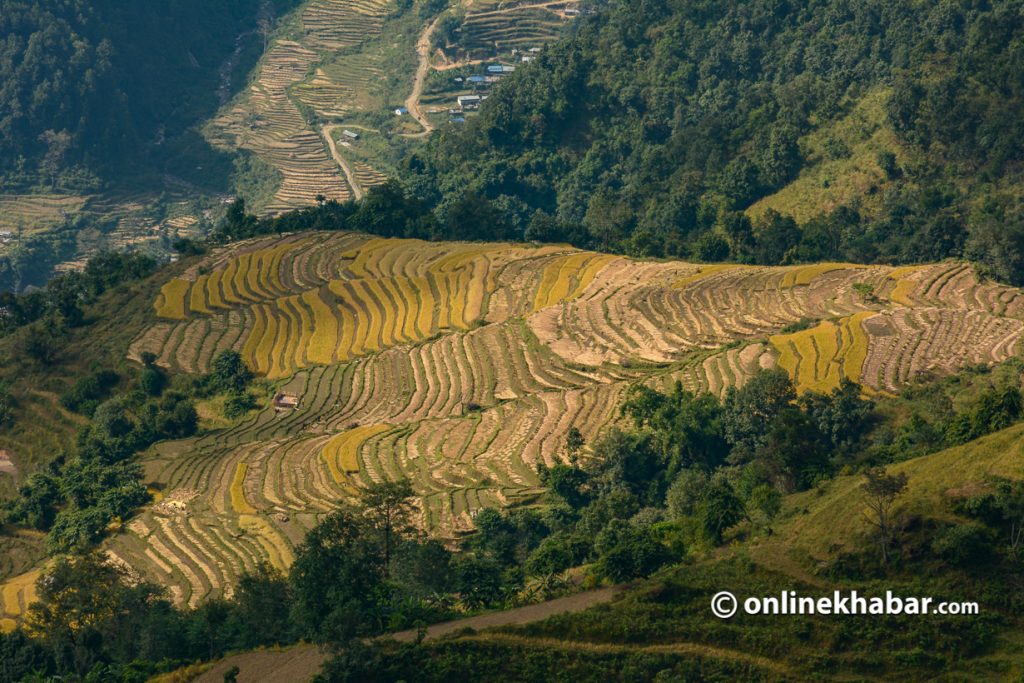
Nepal’s agricultural heritage is preserved not only in its fields and forests, but also in the seeds passed down through generations of farmers. From kodo (finger millet) and phapar (buckwheat) in the hills and mountains to traditional rice, pulses, taro, yam and other locally adapted crops, Nepal holds a remarkable diversity of agricultural genetic resources.
But that diversity is gradually disappearing.
At a time when climate change is making farming increasingly uncertain, losing indigenous crops could also mean losing some of our options for adapting to the future.
More than traditional crops
Indigenous crops are often viewed simply as traditional or subsistence crops. That overlooks their genetic and ecological importance.
Over generations, farmers have selected varieties suited to particular local conditions. Some landraces have traits associated with tolerance to drought, temperature variation, poor soils, pests and other environmental stresses. Not every indigenous variety is automatically climate-resilient, but the genetic diversity they contain provides valuable material for research, breeding and adaptation.
Nepal’s National Agriculture Genetic Resource Centre (NAGRC) considers agricultural genetic resources fundamental to food, nutrition, business and environmental security. The National Genebank has collected more than 14,000 accessions representing about 100 crop species from across Nepal.
A seed maintained by a farmer may therefore be more than a crop for the next season. It may contain genetic traits that become valuable under future climatic conditions.
Climate change and disappearing diversity
Nepalese farmers are already facing changing rainfall patterns, rising temperatures, drought, water shortages, pests and diseases.
A 2025 study of 229 Tharu households in western Nepal found that farmers were combining modern agricultural technologies with landraces and traditional practices as climate adaptation strategies. The researchers also highlighted the importance of maintaining landraces as a way of conserving valuable genetic resources.
Research from Lamjung offers another warning. A study in Pasagaun documented climatic changes and found that traditional varieties of rice and foxtail millet (kaguno) had disappeared from cultivation in the community studied. It also reported declines in rice and millet yields during the period examined.
The contradiction is clear. As climate change increases the need for agricultural diversity, that diversity may itself be declining.
Diversity is a form of resilience
A farming system based on a single crop variety can be highly vulnerable to one drought, disease or pest. A system containing different crops and varieties spreads that risk. Damage may still occur, but the entire system is less likely to fail in the same way.
This is one of the fundamental contributions of agrobiodiversity. Crop diversification can distribute risk, while genetic diversity within crops provides options for future breeding and adaptation.
Indigenous crops can therefore contribute to resilient farming systems alongside irrigation, soil management, weather information, improved varieties and other climate-smart practices.
But traditional crops should not be romanticised. They may have lower yields, limited markets or vulnerabilities of their own. Their value lies partly in the diversity of traits and adaptation options they preserve.
The farmer’s field matters too
Conserving indigenous crops does not mean simply placing seeds in a genebank.
Nepal has developed both ex-situ conservation through seed banks and genebanks, and on-farm conservation through community seed banks, household genebanks, field genebanks and farmer seed networks. The National Genebank reports conservation through seed, field, tissue and DNA banks, alongside community-based initiatives.
These institutions provide an essential safety net. But a seed stored in a genebank is different from one that is continuously grown, selected and exchanged by farmers.
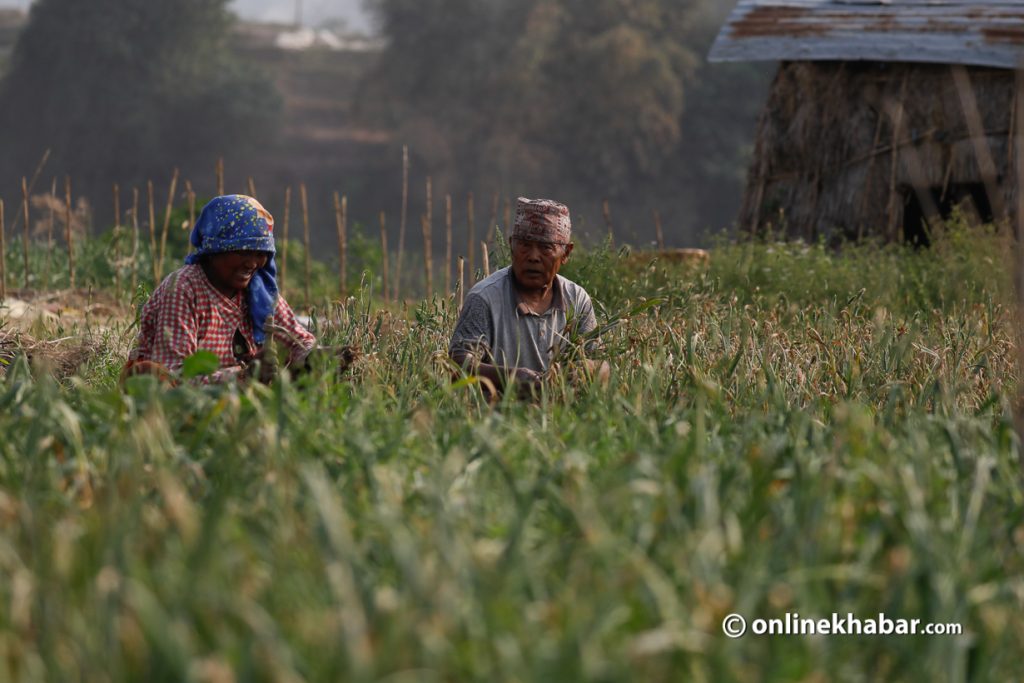
The field is where genetic diversity meets the real environment. Farmers observe how varieties perform, select seeds and pass knowledge from one generation to another. In doing so, they keep both crop diversity and agricultural knowledge alive.
Community seed banks can help connect conservation with production by giving farmers access to locally adapted planting material while maintaining varieties that might otherwise disappear. Their value is greatest when farmers themselves participate in deciding which varieties should be conserved and how they should be used.
Conservation must also make economic sense
Farmers cannot be expected to conserve indigenous crops indefinitely if growing them provides little economic benefit.
This is where agricultural science, entrepreneurship and markets become important. Millet, buckwheat, traditional rice, pulses and other indigenous crops can be developed into value-added products through better processing, packaging, branding and market connections. Tourism can also create opportunities by promoting traditional foods as part of local culinary identity.
The National Genebank has highlighted product diversification, market development, geographical indications, recognition of agrobiodiversity-rich farmers and promotion of native agricultural products.
Conservation should therefore not simply ask farmers to save seeds. It should give them reasons to keep growing them.
Connecting science with traditional knowledge
Agriculture students and researchers have an important role to play. They can document local crop varieties and farmers’ knowledge, identify endangered landraces and study their agronomic, nutritional and economic characteristics.
Universities and research organisations can also evaluate indigenous germplasm for traits such as drought and heat tolerance, disease resistance, nutritional quality and adaptation to different agro-ecological conditions.
This creates an opportunity to connect traditional knowledge with modern agricultural science. NAGRC itself emphasises the use of native agricultural genetic resources in research and education.
Nepal should now strengthen this connection by documenting and characterising endangered crops, strengthening community and household seed banks, supporting farmer-to-farmer seed exchange and evaluating indigenous varieties for climate-resilient traits. Valuable traits can be used in participatory breeding, while farmers conserving rare landraces should have greater economic incentives.
At the same time, Nepal needs better processing and markets for indigenous crops, stronger protection of agricultural knowledge and greater collaboration among farmers, universities, NARC, local governments and the private sector. Agrobiodiversity should also be incorporated into local climate adaptation plans.
NAGRC already operates conservation programmes, including community-based conservation, local crop projects and indigenous seed initiatives. The challenge now is to connect these efforts more directly with farmers’ livelihoods and climate adaptation.
From heritage to the future
Nepal does not have to choose between traditional and modern agriculture.
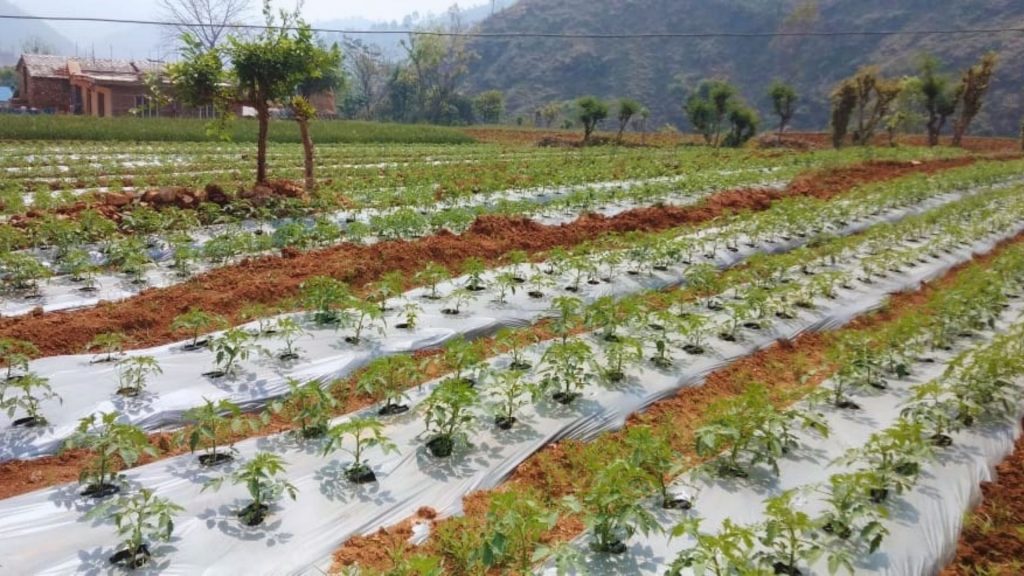
Modern science can help identify useful traits in indigenous crops. Plant breeding can combine desirable characteristics. Improved agronomic practices can increase productivity, while better markets can create income. At the same time, farmers’ knowledge can guide scientists towards varieties and practices that have survived generations of environmental change.
The goal should not be to replace indigenous diversity with modernity, but to use modern science to understand, conserve and make better use of that diversity.
Climate change has made agricultural resilience a necessity. In this changing environment, the diversity preserved by farmers over generations may become one of Nepal’s most valuable agricultural resources.
A seed of kodo, phapar or a local rice variety may look ordinary. But within it can lie genetic diversity, cultural history, farmer knowledge and possibilities for the future.
Conserving indigenous crops is therefore not simply about protecting the past. It is about keeping choices open for the future.
Nepal’s indigenous crops should not become specimens preserved only in museums or genebanks. They should remain living crops in living fields, cultivated by farmers, studied by scientists and valued by consumers.
If biodiversity is the foundation of agricultural resilience, every indigenous crop we conserve today is an option we preserve for tomorrow.