
The government is preparing to end the legal provision that lets people who assault health workers escape by paying a fine. A bill has been advanced to amend the law so that anyone who beats or physically injures a health worker can be jailed for up to five years.
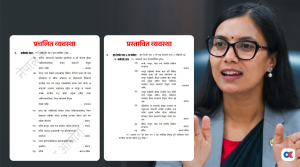
Health and Food Hygiene Minister Nisha Mehta has registered the bill, which amends the Health Workers and Health Institutions (Protection) Act, 2066 B.S., in the House of Representatives.
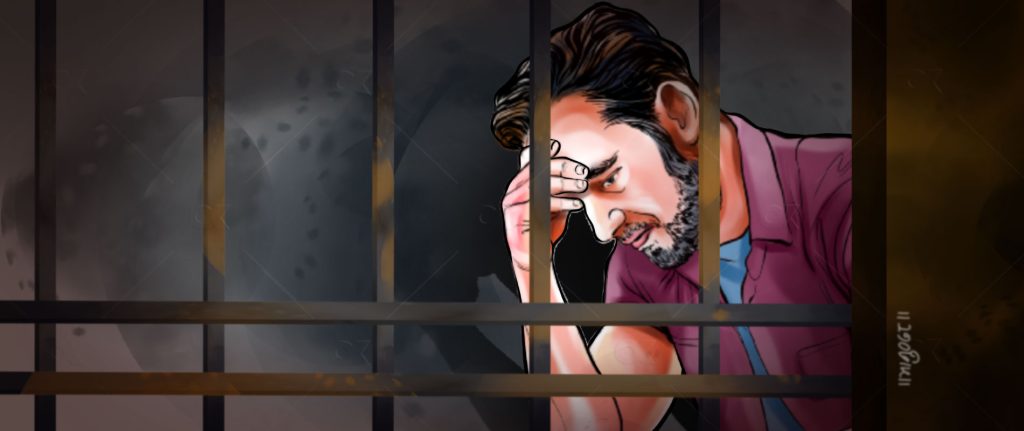
Under current provisions, such assaults carry a fine. The proposed amendment provides two to five years’ imprisonment and a fine of Rs 200,000 to Rs 500,000, or both. Offenders will no longer escape by paying a fine alone; depending on the nature of the offence, the court can impose both imprisonment and a fine.
The bill also treats displaying criminal force with a weapon as a serious offence. Beating, assaulting or physically injuring a health worker, health institution staff member or student, or displaying criminal force with a weapon, would carry up to five years’ imprisonment and a fine of up to Rs 500,000.
“Health workers work in fear, wondering when they will be beaten,” said Dr Badri Rijal, president of the Nepal Medical Association. “We hope the proposed law will create an environment where they can serve patients without worry.”
A law born of rising attacks
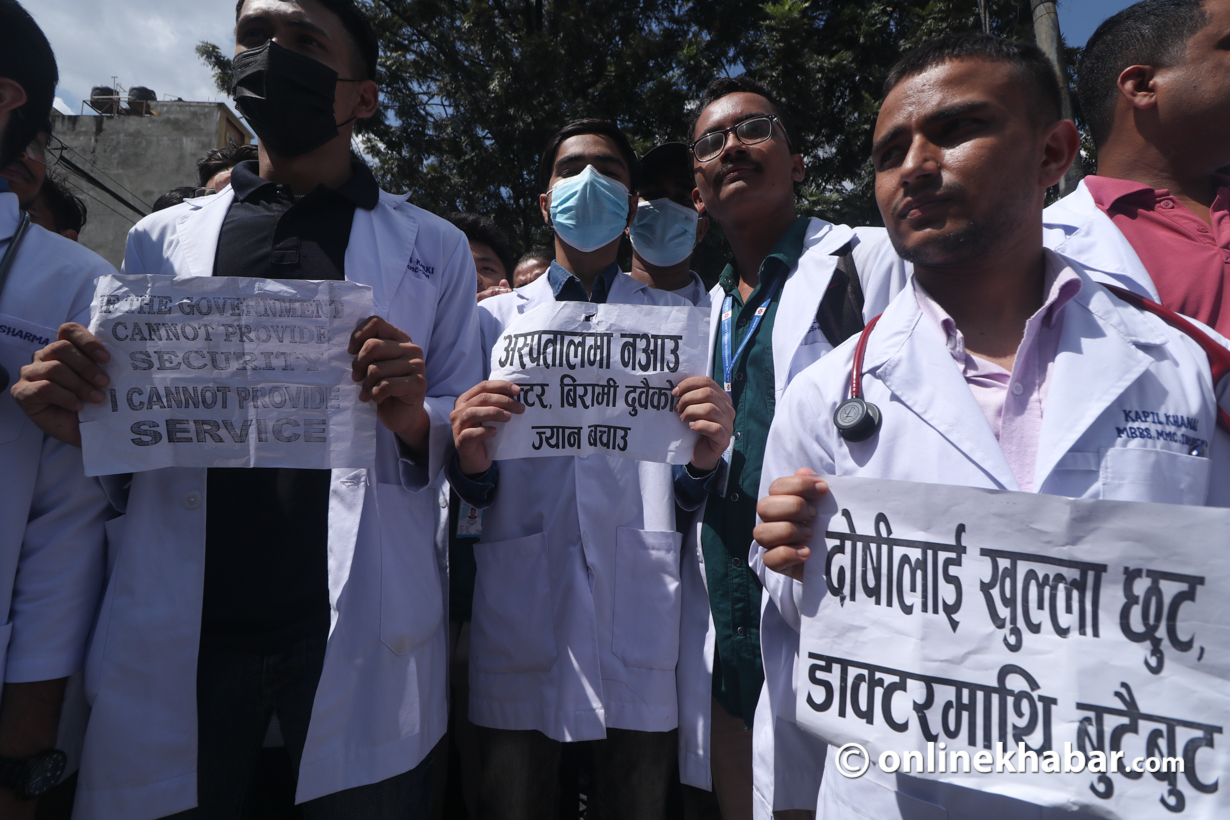
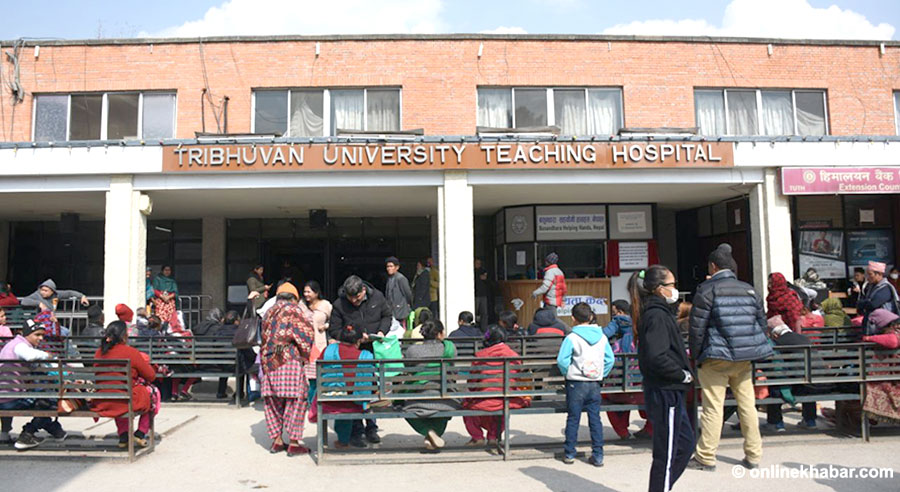
The government chose to tighten the law as assaults on health workers, hospital vandalism and mob attacks increased. Doctors’ long-standing demand for “jail without bail” has advanced in this context. People in the sector say attacks are sometimes carried out by mobs or hired people acting as a third party, and that some private hospitals pay whatever patients’ relatives demand just to avoid escalation, which has failed to deter such incidents. Lacking workplace security, health workers are increasingly quitting and going abroad.
Dr Amit Rijal, a former senior medical officer at Om Hospital and Research Centre in Kathmandu, decided two decades ago to leave the country after mistreatment by a patient’s relatives.
“I treated the patient even though I wasn’t on duty, but I had to endure humiliation,” he told a media outlet. “That incident deeply wounded my self-respect. So I eventually quit the profession.”
“Earlier, people got off by paying a fine. The proposed provision at least opens the way to imprisonment,” said Dr Locha Karki, a former association president. “It could instil fear of the law.”
Dr Karki said assaults began rising after the 2062/63 B.S. people’s movement. After pressure from the association, the government enacted the 2066 Act, with regulations in 2069, but the fines were weak. Offenders typically paid Rs 2,000 to 5,000 and were released on bail.
Demands for “jail without bail” intensified in 2073 B.S., after locals and police made health workers line up and apologise at the Charikot Primary Health Centre. A committee led by Dr Pushpa Chaudhary drafted an amendment, but the process halted when the House of Representatives was dissolved. The issue resurfaced after an attack on health workers at Bheri Hospital in Banke during the COVID-19 pandemic. The government then issued an amendment ordinance in 2079 B.S., which tightened the law but did not make attacks fully non-bailable.
Dr Karki said the amendment largely ended out-of-court settlements after arrests, since cases now go through the government attorney’s office to court. Suspects were taken into custody on this basis in Chitwan and Karnali. The new provision goes further: earlier the court could impose “a fine or imprisonment,” while imprisonment and a fine are now more explicit and binding.
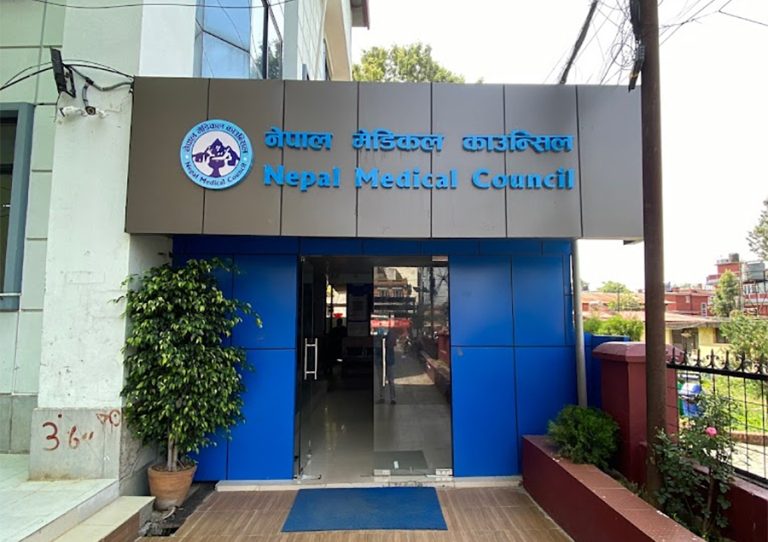
Experts say tougher laws raise the question of negligence by health workers, but adequate avenues already exist, including the Nepal Medical Council, the courts and consumer courts.
“There is no shortage of avenues when health workers err,” Dr Rijal said. “So there is no need to assault them.”
He said the law alone will not end hospital violence, and that public awareness and accurate information are also needed.
What offence carries what punishment?
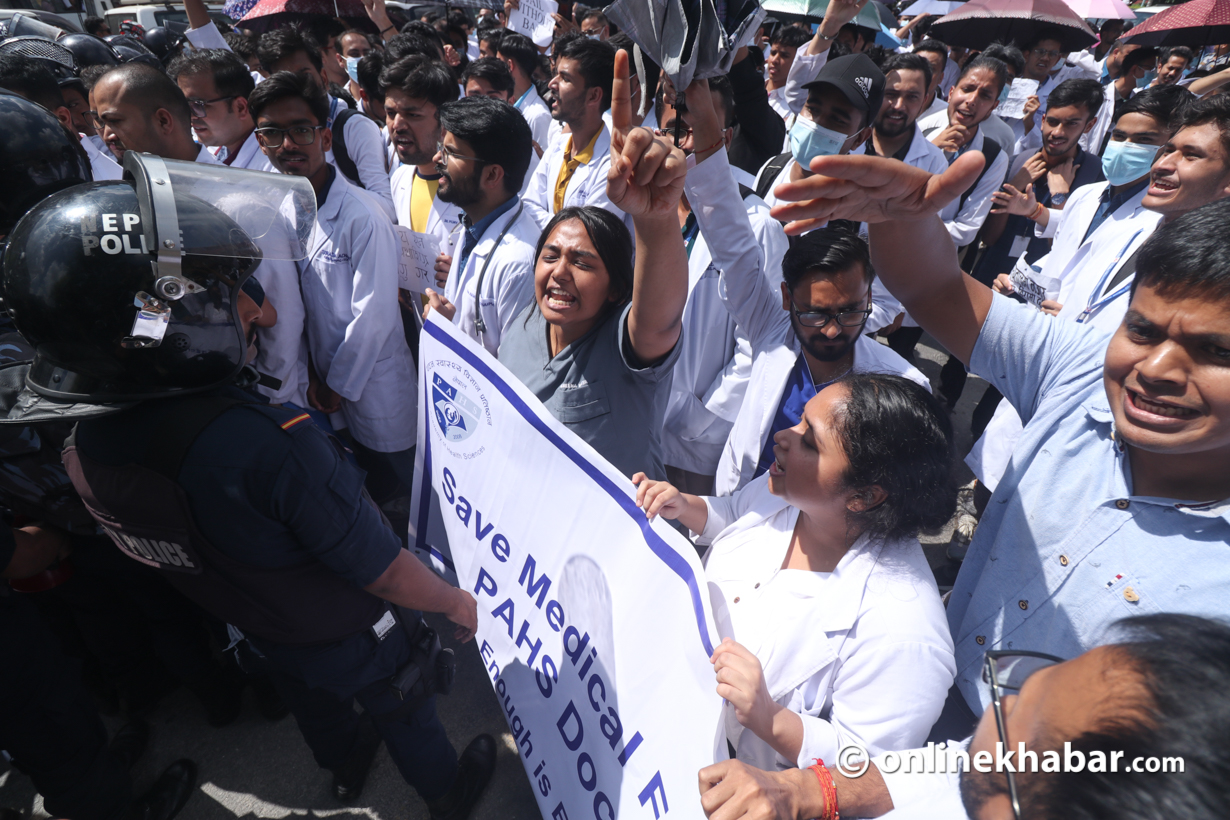
Arson at a health institution would carry two to five years’ imprisonment and a fine of Rs 200,000 to Rs 500,000, both mandatory (currently imprisonment or a fine, or both).
Vandalism or other damage, or beating and physically injuring staff, would carry up to three years’ imprisonment and a fine of up to Rs 300,000.
Lockouts or sieges, obstructing treatment, abuse or indecent behaviour, or inciting others to do so, would carry up to one year and a fine of up to Rs 100,000 (currently up to one year or a fine of Rs 100,000, or both).
The bill also expands the definition of health worker to include interns and adds economic security to the definition of security.