Kathmandu, November 27
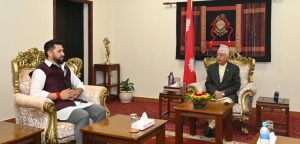
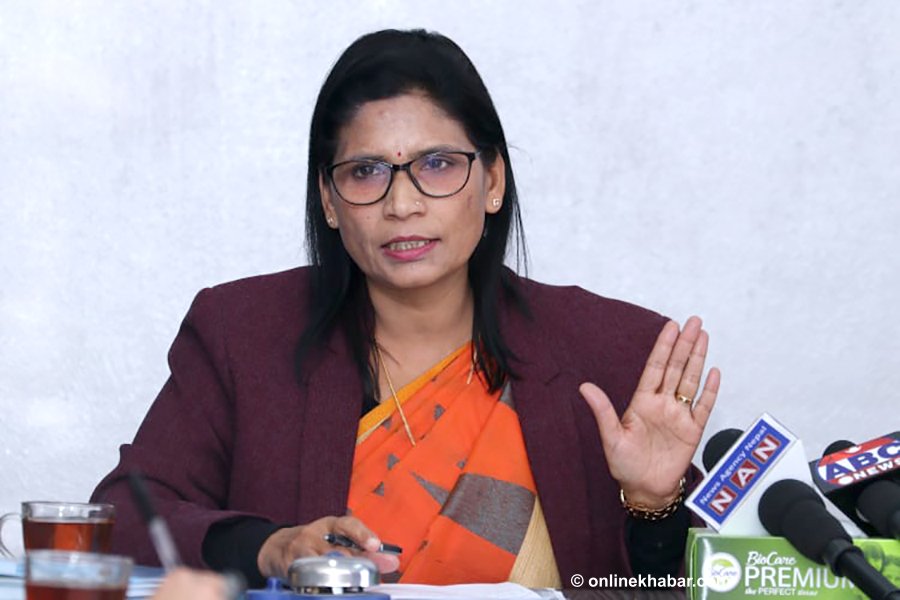
CPN-UML Secretary and lawmaker Padma Aryal has alleged that Nepal’s electoral system remains vulnerable to fraud and booth capture, claiming she has evidence of irregularities from an election in which an unusually high 99 percent of voters turned out in her constituency.
Speaking at a discussion organised by the Election Commission with stakeholders in Lalitpur on Friday, Aryal said she had experienced electoral malpractice firsthand but had found no effective remedy.
“Our elections are not clean. What didn’t I experience when I contested the election? A 99 percent turnout has never happened, yet it happened in my constituency. But there was no remedy,” she said.
Aryal claimed she had evidence documenting booth capture and electoral fraud at specific polling stations.
“I have factual evidence. This booth was captured, fraud happened here, and votes were cast in this manner. I have evidence,” she said.
She also alleged that elections in Nepal continued to be influenced by money, muscle power and the media, arguing that the use of financial resources, abuse of power and media influence continued to undermine electoral fairness.
“Even today, elections are influenced by money, muscle and the media,” she added.
Aryal said meaningful reform of the electoral system required identifying the existing problems and distortions first, arguing that solutions would be difficult without properly recognising the challenges.
She also welcomed the Election Commission’s efforts to ensure that citizens could exercise their voting rights regardless of where they lived, saying she was willing to support initiatives to expand voting access.
However, she cautioned against implementing inter-district and cross-border voting arrangements without adequately addressing practical and legal challenges.
“Inter-district and cross-border voting cannot be based solely on sentiment. There are practical difficulties as well,” she said, questioning how polling infrastructure would be organised if voters living outside their home districts were allowed to vote from their current locations.
Aryal said, for instance, that if a voter from Karnali living in Kathmandu were allowed to vote in Kathmandu and the arrangement applied across all 77 districts, each polling station in Kathmandu would need ballot boxes for all 77 districts.
If voting arrangements also accounted for local governments, she argued, the number of ballot boxes required would increase considerably.
She urged the Election Commission to address such logistical and legal complications before proceeding with plans to facilitate voting for citizens living outside their home districts or abroad.