
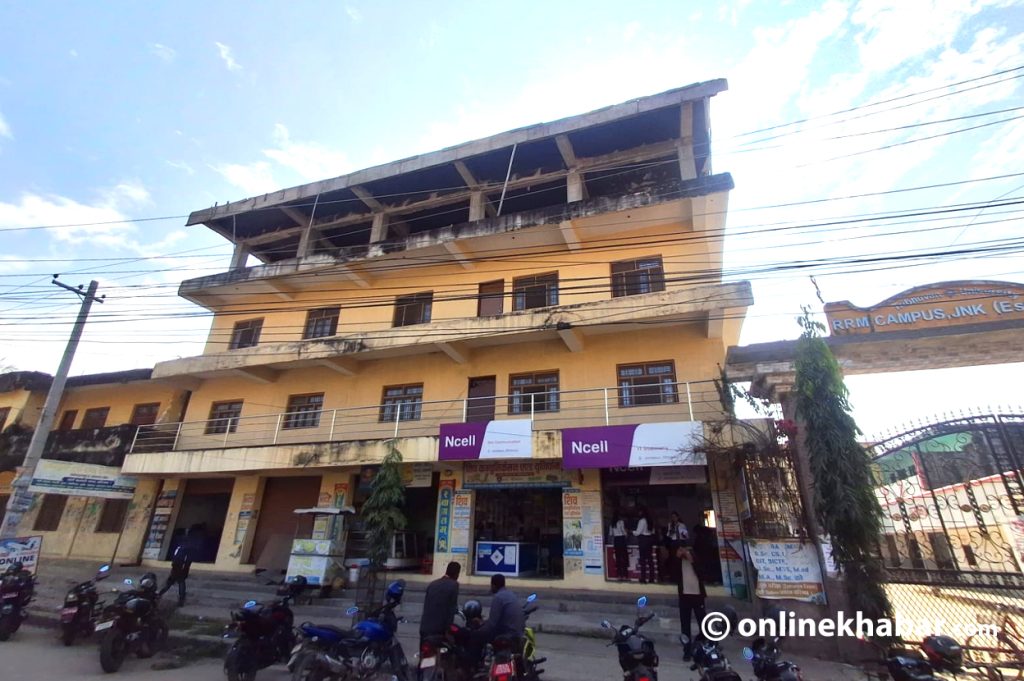
Kathmandu, November 27
Tribhuvan University (TU) has referred an investigation report on alleged embezzlement of more than Rs 200 million in student fees at its Ramasagar Ramswaroop (RRM) Multiple Campus in Janakpurdham, Dhanusha, to the Commission for the Investigation of Abuse of Authority (CIAA) for further investigation and action.
A TU investigation found Rs 62.4 million in irregularities and failed to trace receipts worth around Rs 140 million at the campus, according to documents obtained by Onlinekhabar. University officials said the report had been handed over to the anti-corruption watchdog after the internal investigation found the scale of the irregularities warranted further investigation by the CIAA.
“We conducted the investigation ourselves. But we found irregularities involving a substantial amount of money in student fees. Since the CIAA needs to conduct further investigation into the matter, we have handed over the report,” a TU central office official said, adding that the CIAA was investigating the case.
The university had formed two separate committees to investigate the alleged fee fraud. After it was dissatisfied with the findings of the first committee, it formed a second one to conduct a more comprehensive investigation.
The second committee concluded that Rs 62.4 million had been embezzled and receipts worth approximately Rs 140 million were missing.
The committee visited RRM Campus on April 19 and began its investigation the following day. Initially given until May 9 to complete its work, the committee was granted an extension after it found that collecting and verifying records would take more time.
The committee took 75 days to complete its investigation and submitted its report to the university leadership. It conducted much of its investigation in Janakpur but moved to Kathmandu to write the report after concerns over security risks increased.
Committee recommends recovery of funds and action against those responsible
The investigation committee concluded that student fees had been systematically misappropriated at the campus over an extended period and recommended recovering the embezzled funds and taking action against those responsible.
The report said those involved had allegedly collected fees in cash, discouraged students from depositing payments directly into banks and manipulated receipts to siphon off money.
“Over an extended period, those involved have repeatedly misappropriated funds with apparent intent, without fear of the law, discouraging students from depositing fees into banks and collecting the money in cash. The receipts themselves were also manipulated,” the report concluded.
It further found that government-issued receipt books had been misused, with different amounts recorded on the first and second copies of receipts, allowing those involved to embezzle amounts at their discretion.
The alleged irregularities were primarily found in fees collected for internal programmes, including BA, BBA, BIT, CSIT and BSc courses.
According to the report, students were given receipts showing one amount, while the office copy recorded a different amount. The committee described the fee manipulation as a serious offence.
The investigation also concluded that the alleged fraud was unlikely to have been carried out by a single individual and that a broader network may have been involved, possibly with the backing of influential actors.
Although the report identified accounting assistant Sanjay Das as having issued receipts linked to the irregularities, the committee said he alone could not have carried out fraud of such magnitude over an extended period.
The committee examined records covering the period from July 16, 2020, to January 14, 2026, and said the possibility of irregularities before that period could not be ruled out, recommending further investigation.
Receipts destroyed during Gen Z protest
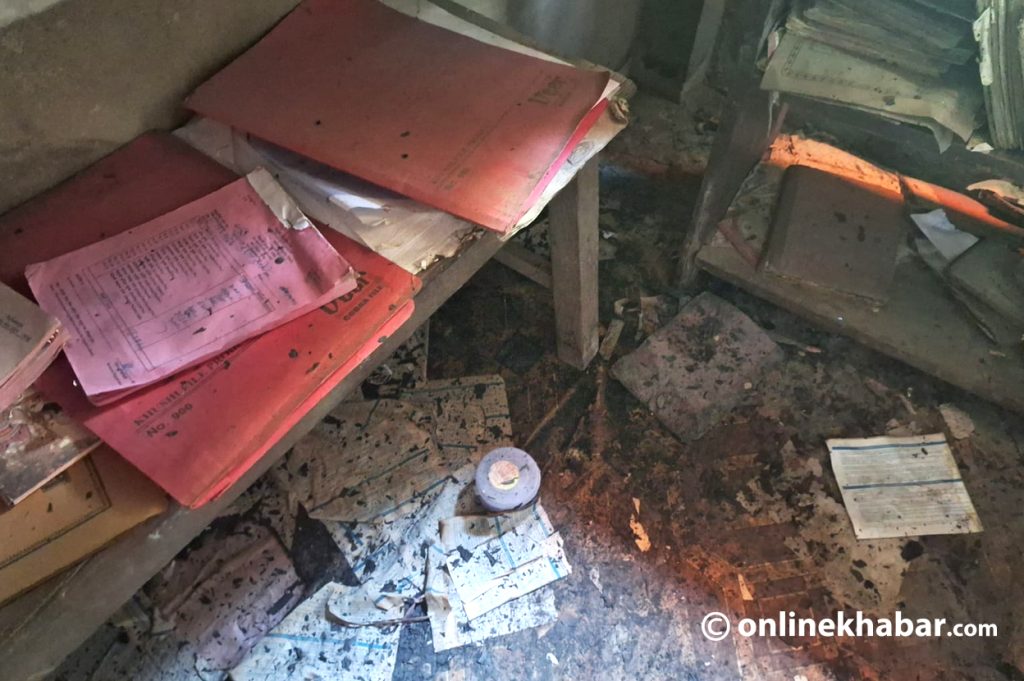
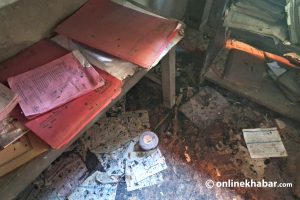
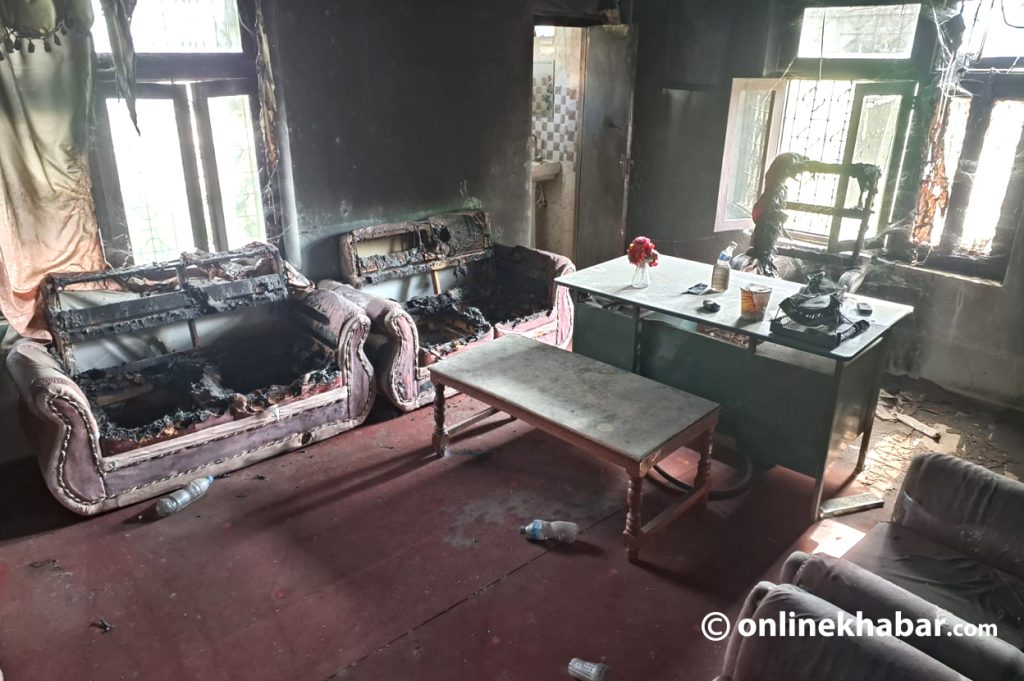
The investigation found that fires set at the campus’s accounts section and the campus chief’s office during the Gen Z protest on September 9, 2025, destroyed a large number of receipts and other documents that could have served as evidence of the alleged fraud.
The committee was unable to determine the full extent of the embezzlement because of the destruction of records.
The incident has also brought the then-campus chief, accounts chief and TU’s internal audit team, as well as auditors from the Office of the Auditor General, under scrutiny.
The university subsequently handed the report to the CIAA for further investigation.
Vice-chancellor vows action
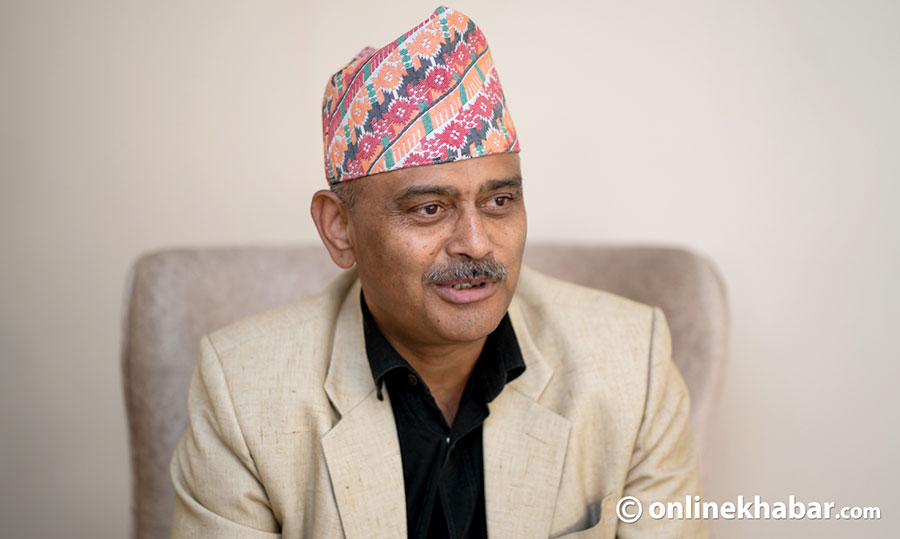
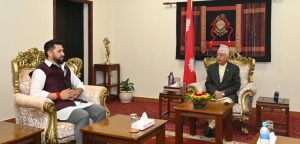
TU Vice-Chancellor Prof Dr Bhola Thapa has pledged action against those responsible for the fee fraud at RRM Campus.
“We have received the investigation committee’s report and are studying it. We will take action against those found guilty in accordance with the report, TU regulations and prevailing laws,” Thapa said.
He said the university was also looking into irregularities at other campuses as part of its efforts to improve governance.
“Not just at RRM Campus, we are looking into other places as well. Our agenda is to establish good governance at TU. We have started opening files on irregularities,” he said.
TU regulations allow the university to take disciplinary action against employees involved in financial irregularities, including dismissal.
Thapa reiterated that those found responsible would face action under university regulations and the law.
The alleged fee fraud at RRM Campus is considered one of the largest financial irregularities involving student fees at Tribhuvan University.