Kathmandu, November 10
Finance Minister Dr Swarnim Wagle has been named among TIME magazine’s 100 most influential people in climate action for 2026.
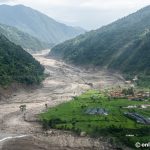
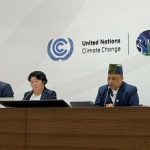
TIME recognised Wagle for his advocacy for climate justice at international forums following the Bhotekoshi floods, his initiatives to mobilise climate finance and his views on resource management and systemic reforms in the international climate framework.
The list also features United Nations Secretary-General António Guterres, Britain’s Prince William and European Commission President Ursula von der Leyen, among others.
Wagle’s party, the Rastriya Swatantra Party (RSP), has congratulated him on the recognition. In a statement issued by party General Secretary Bipin Kumar Acharya, the party said Wagle’s leadership and initiatives in climate finance, resource management and international systemic reform were significant for Nepal.
The party highlighted Wagle’s role in advocating for climate justice following the Rasuwa-Bhotekoshi floods, including leading a rapid post-disaster needs assessment and raising the concerns of countries that contribute little to global emissions but face disproportionate climate risks.
The statement also credited his efforts with helping Nepal become the first country to receive an allocation from the United Nations’ climate-related Loss and Damage Fund. It said his initiatives helped mobilise billions of rupees in immediate assistance for people affected by the disaster.
The RSP said Nepal contributes negligibly to the climate crisis but faces its consequences disproportionately. It added that Wagle’s advocacy had helped bring the risks faced by Himalayan and mountain communities, as well as the effects of climate-related disasters, to the attention of the international community.
“His advocacy for climate justice, climate finance and fair treatment of loss and damage has helped inform the international community about Nepal’s situation and carry the country’s voice to the global stage,” the party said.
The party described the recognition as both an achievement and an opportunity to strengthen Nepal’s climate diplomacy and pursue fair climate action.
It said the recognition should bring greater international attention to the concerns of countries and communities directly affected by the climate crisis, while encouraging continued efforts to secure justice for people whose lives and livelihoods have been affected by climate change.