
Kathmandu, November 4
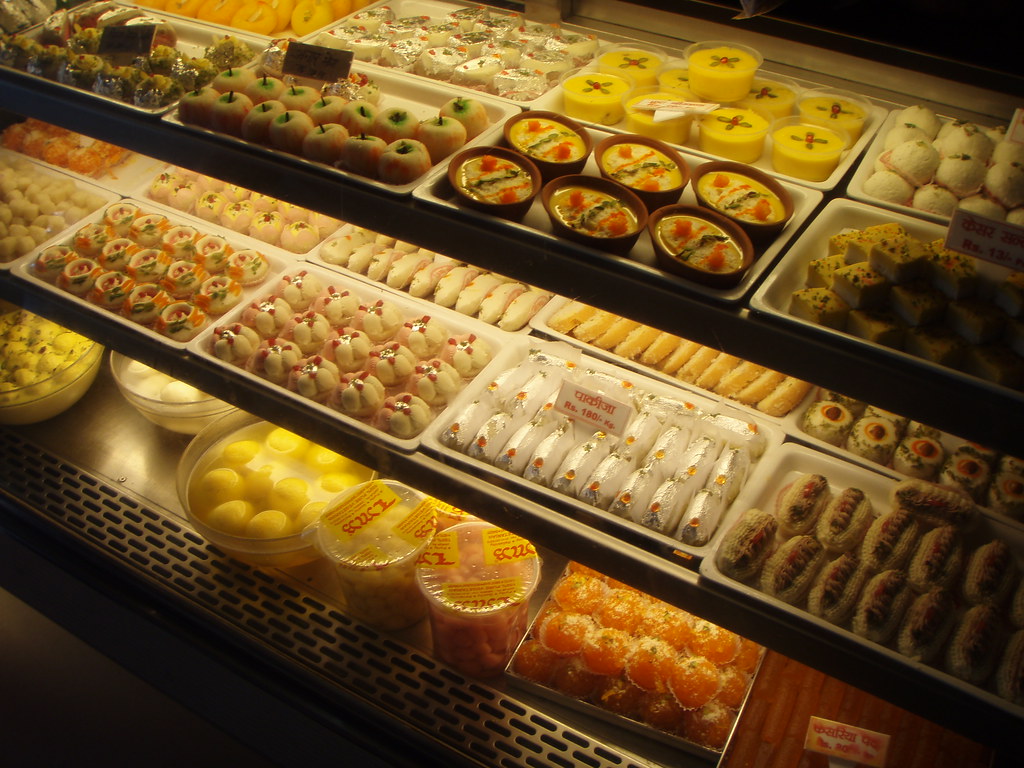
Colourful lights, blooming marigolds and globe amaranths, and the sounds of Deusi-Bhailo mark the arrival of Tihar, Nepal’s second biggest festival, also known as Yamapanchak. Along with lights and flowers, sweets are among the things most closely associated with the festival.
Sweet consumption surges during festivals, keeping traders busy with rising demand. However, in previous years, the rush to meet demand and the pursuit of high profits often came at the expense of consumers’ health.
There have been numerous instances of markets being flooded with sweets made from rotten, expired and inedible ingredients.
This year, however, the government has introduced stricter monitoring and new standards for sweet shops ahead of Tihar, saying it intends to address past shortcomings.
The Department of Food Technology and Quality Control (DFTQC) introduced stringent rules for sweet manufacturers and sellers even before beginning its inspections.
Last year’s figures offer an indication of how serious adulteration in sweets can be during Tihar. From October 10 to 18 last year, the department inspected 53 prominent and large sweet shops in Kathmandu, Lalitpur and Bhaktapur.
During the inspections, most of the shops were found using inedible substances in their sweets. Some were found reusing cooking oil for months, repeatedly heating it until it became as thick as tar. Others were found adding industrial dyes in quantities far exceeding prescribed limits, posing serious health risks.
The inspections also revealed severe negligence in kitchen hygiene. Sweets were being prepared in dirty, foul-smelling and damp places. Dead flies and cockroaches were even found in ready-made sweets displayed for sale.
The situation in most sweet shops remains largely unchanged. The department has been inspecting such businesses, destroying products found to be unfit for consumption and imposing fines.
What are the new standards?
With consumer health, safety and welfare in mind, the department has introduced new standards targeting the sweet industry under the Food Hygiene and Quality Act 2024 and the Consumer Protection Act.
Under the new standards, sweet manufacturers and sellers will no longer be allowed to keep consumers in the dark about the products they sell. The new provisions require manufacturers to clearly disclose all the raw ingredients used in preparing sweets on packaging or display counters.
The department has already instructed all hotels, sweet shops and stores to implement the rules from October 28.
According to the department’s directive, five key details must now be displayed for ready-made sweets. Businesses must clearly identify the type or name of each sweet and display a list of its main ingredients, such as milk, khuwa (reduced milk solids), dry fruits, sugar and gram flour, where consumers can easily see them.
Similarly, to prevent consumers from being misled, sellers must clearly specify the type of oil, such as soybean or sunflower oil, or ghee used to prepare the sweets.
They must also display the expiry or best-before date, indicating how long the sweets remain fit for consumption. The price per kilogram must also be clearly displayed to prevent consumers from being overcharged.
The standards further require businesses to display the raw ingredients used in preparing sweets inside the showcase so that consumers can see them.
According to the department, simply displaying the information on showcases or counters will not be enough. Inspection teams may collect samples of sweets at any time and send them to laboratories for testing.
The department has made it clear that businesses found using ingredients that differ from those declared, or using inedible dyes and spoiled oil, will face the maximum penalties under the law, including cancellation of their operating licences.
497 shops inspected, action planned against non-compliant businesses
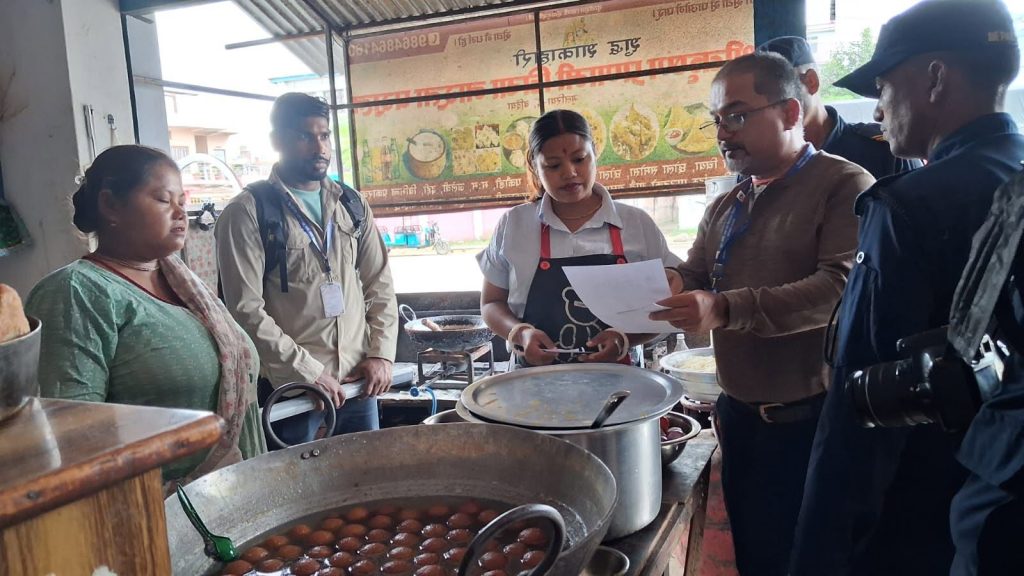
Following the introduction of the new rules, the department has intensified inspections across the country.
According to the latest data provided by the department, special inspections have been conducted at 497 sweet shops nationwide. Of these, 433 shops have been issued warning notices and instructions to comply with the standards, while 222 have fully implemented the information-disclosure requirements by displaying the prescribed labels. The remaining shops are in the process of making improvements.
The shops issued notices are distributed across the provinces as follows: 84 in Koshi, 56 in Madhes, 53 in Bagmati, 175 in Lumbini, 26 in Gandaki, 24 in Karnali and 15 in Sudurpashchim.
According to Sanjeev Kumar Karn, director general of the Department of Food Technology and Quality Control, food inspectors from 30 offices across the country have been mobilised to conduct inspections in coordination with local governments, district administration offices and the Department of Commerce.
“We had issued directives effective from October 28, particularly targeting sweet shops, as the consumption of sweets increases during Tihar. Our objective was to prevent consumers from being cheated and ensure that they have access to hygienic sweets,” Karn said. “We had made it mandatory for every sweet shop to display the consumption date, name of the sweet, names of its ingredients, price and the type of ghee or oil used to prepare it on its showcase or counter.”
According to Karn, reports received from across the country show that around 500 sweet shops have been inspected so far. Approximately half of them have been found displaying labels in accordance with the department’s new requirements.
“Since this was a new provision, we had given businesses some time to display the production date and consumption period for unpackaged sweets. That has now been implemented,” Karn said. “In the next phase, starting this week, we will collect details of shops that have failed to comply and initiate legal proceedings under the Food Act and Consumer Protection Act, while also imposing on-the-spot fines.”
According to the department’s overall festival-focused inspection data, which covers food products, animal feed, hotels and other businesses in addition to sweet shops, inspections have been conducted at 1,751 locations between October 1 and 17. More than Rs 1.076 million in fines has already been collected from businesses found violating regulations.
Crackdown on inedible fat sold as ‘puja ghee’
During Tihar, ghee consumption also rises significantly as people use it to light traditional lamps and perform religious rituals. However, the department has also begun taking action against the sale of inedible fatty substances marketed cheaply as ‘puja ghee’.
“We are also taking action regarding puja ghee. We had found that some religious supply shops were selling fat-based substances instead of actual ghee under the label of ghee,” Karn said. “Such products have been seized at various locations, returned or destroyed.”
Consumers also need to remain vigilant
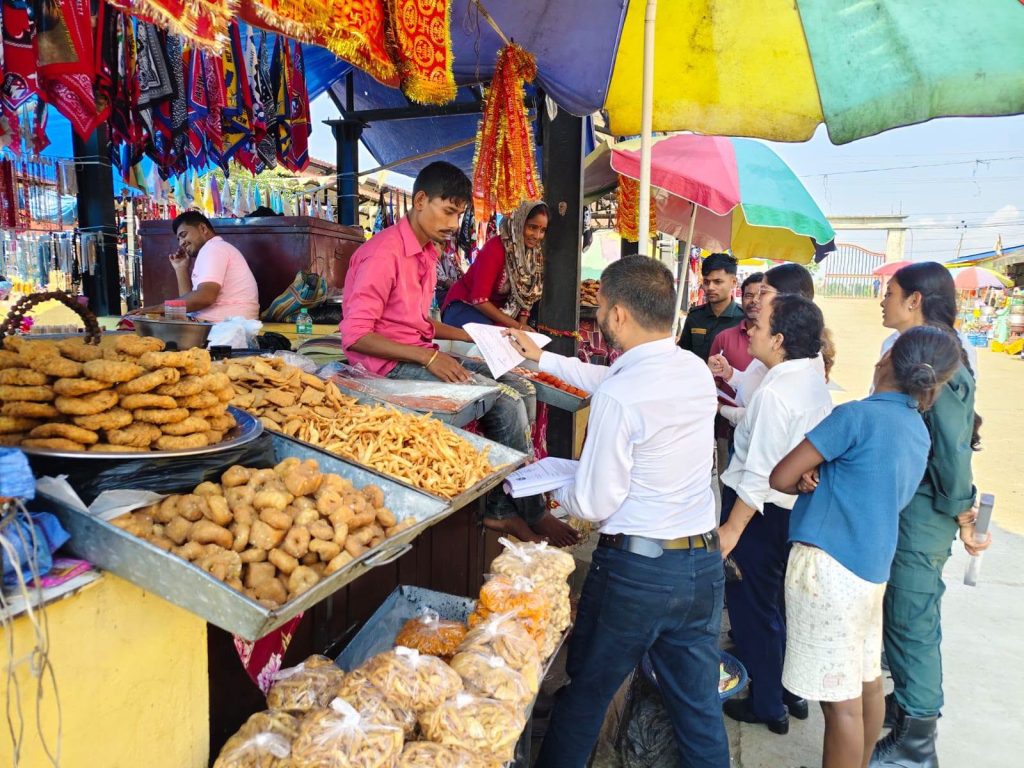
Although the government has introduced laws, regulations and standards and intensified market inspections, consumers themselves need to remain vigilant to ensure that the market is completely safe.
What kind of oil was used to prepare the sweets you are buying? What ingredients do they contain? And, most importantly, how long are they safe to consume? If these details are not displayed on the showcase, it would be wiser not to buy sweets from such shops.
Consumers can immediately report businesses that fail to comply with the rules to the department or the nearest police or administrative office.
Let this Tihar be not only a festival of lights but also one of good health. Avoid adulterated products and celebrate the festival with safe sweets.