

Chitwan, October 12
The proportion of new patients diagnosed with cancer at BP Koirala Memorial Cancer Hospital in Bharatpur rose to 25.17 per cent in 2025, up from 22.20 per cent in 2024, according to the hospital’s latest data.
Of the 27,243 new patients who visited the hospital’s outpatient department (OPD) in 2025, 6,858 were diagnosed with cancer, said Dr Sushil Adhikari of the hospital.
In 2024, the hospital recorded 7,009 cancer diagnoses among 31,560 new patients. Although the number of newly diagnosed cancer patients was slightly lower in 2025, their share of new patients increased.
The hospital provided outpatient services to 212,977 patients in 2025, including both new and returning patients. The total was up from 204,971 in 2024.
The data also show a higher number of cancer diagnoses among women than men in 2025. Of the 6,858 patients diagnosed with cancer, 3,774 were women and 3,084 were men.
The figures reflect cases recorded at the hospital and do not, by themselves, establish the rate of cancer across Nepal.
Lung cancer most common
Lung cancer was the most frequently diagnosed cancer among new patients at the hospital in 2025, with 759 cases. Of these, 380 were men and 379 were women.
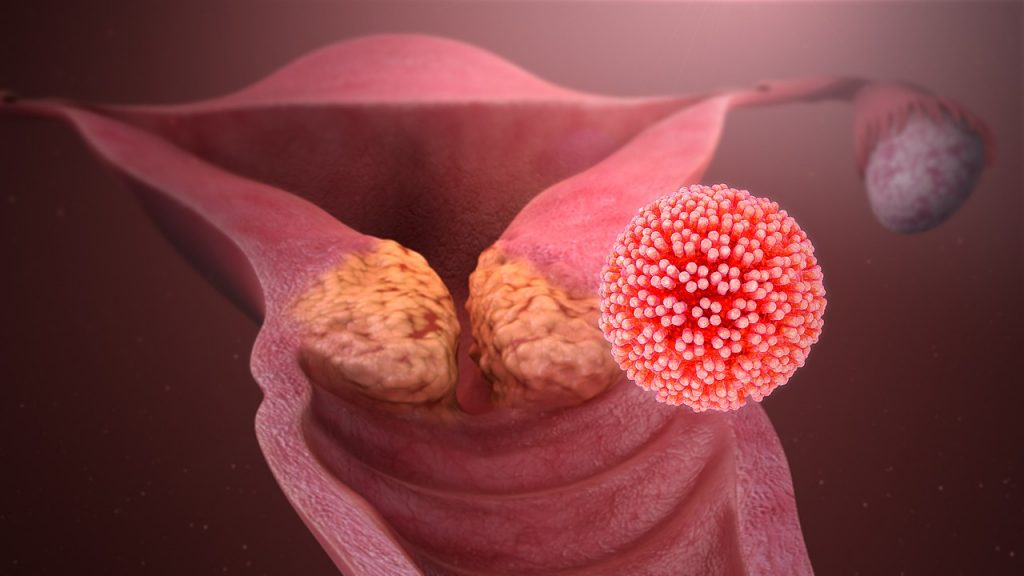
Breast cancer ranked second, with 731 cases, including 711 women and 20 men. Cervical cancer was third, with 622 cases, all among women.
The hospital also recorded 377 new cases of gallbladder and bile duct cancer, 356 cases of stomach cancer and 353 cases of blood and bone marrow cancers.
Other cancers frequently treated at the hospital included cancers of the tongue, bones, rectum, thyroid gland and urinary bladder. In total, patients with 51 types of cancer sought treatment at the hospital in 2025.
The number of men diagnosed with breast cancer doubled from 10 in 2023 to 20 in 2025, according to the hospital’s data.
Doctors cited urban lifestyles, dietary habits, tobacco use, food contamination, pesticide and chemical fertiliser use, and pollution among factors they believe may be contributing to the rise in cancer cases. The source material states that tobacco use accounts for around 30 per cent of cancer-related risk, although the figure was not accompanied by a specific study or citation.
Women account for more diagnoses
Of the new patients diagnosed with cancer in 2025, 3,774 were women, compared with 3,084 men.
The pattern varied by cancer type. Men and women were diagnosed with lung cancer in almost equal numbers, while breast and cervical cancers accounted for a substantial number of cases among women. Apart from breast and cervical cancers, men outnumbered women in most of the other major cancer categories recorded by the hospital.
The hospital’s outpatient workload has also grown considerably over the longer term. In 2013, it provided outpatient services to 95,362 patients. The total reached 212,977 in 2025, an increase of more than 117,000 over 12 years.
Patients come from across Nepal
The hospital receives patients from all 77 districts of Nepal as well as various parts of India. Chitwan accounted for the largest number of new patients in 2025, with 4,415, followed by Rupandehi with 1,373 and Nawalpur with 1,244.
Other districts contributing substantial numbers of new patients included Bara, Dang, Sarlahi, Makwanpur, Dhanusha, Tanahun and Kaski.
Chitwan also recorded the highest number of cancer diagnoses among patients from the districts listed, with 565 cases. Rupandehi followed with 463, while Nawalpur and Dang recorded 256 and 255 cases, respectively. A further 195 patients from India were diagnosed with cancer at the hospital.
Former executive director Dr Shivaji Paudel said an estimated 50 to 60 per cent of cancer patients in Nepal seek treatment at BP Koirala Memorial Cancer Hospital. According to him, around 20 per cent receive treatment at other hospitals in Nepal, while another 20 per cent go to India or other countries.
These are estimates attributed to Paudel rather than a national patient registry.
Treatment and hospital services
The hospital performed 3,091 major surgeries in 2025, compared with 3,169 in 2024. On operating days, it carries out around 20 to 25 surgeries.
Patients stay at the hospital for an average of seven days, while chemotherapy cycles are generally scheduled 21 days apart. The hospital’s bed occupancy rate exceeds 80 per cent, and its reported mortality rate is 3.64 per cent.
The hospital provides radiotherapy to around 220 to 240 patients a day. Its data indicate that 60 to 75 per cent of patients diagnosed with cancer require radiotherapy.
In 2025, 26,126 patients received emergency services and 11,559 were admitted for inpatient care. A total of 2,970 patients received treatment using radiation technology, while 26,472 received chemotherapy through the day-care service, Dr Adhikari said.
The hospital also provided free treatment to 10,920 patients from economically disadvantaged backgrounds in 2025. The value of the discounts and financial assistance provided to them totalled Rs 431.2 million, according to the hospital.
Free general beds and plans for bone marrow transplantation
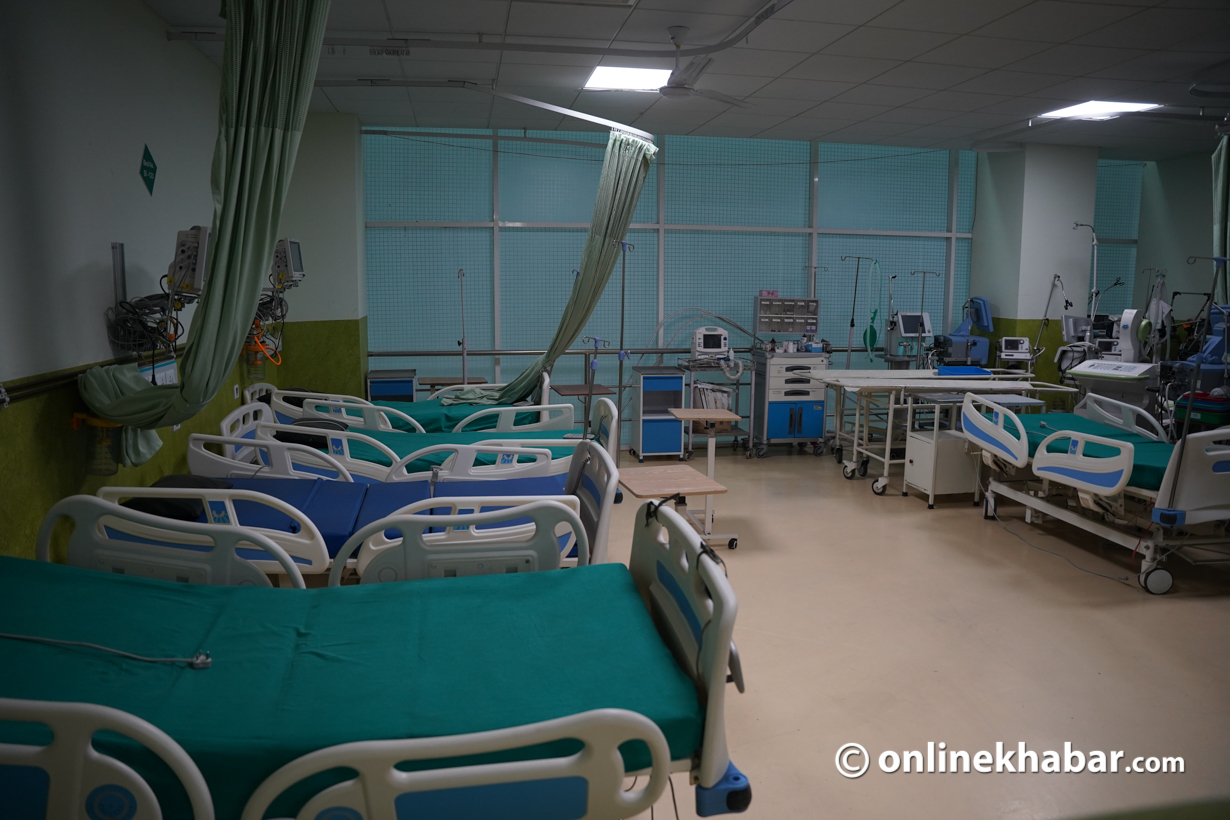
The 500-bed hospital provides general beds free of charge, except for intensive care, high-dependency and cabin facilities. Inpatients also receive two meals and one snack daily at no cost, acting executive director Dr Umesh Nepal said.
The hospital is preparing to launch a bone marrow transplantation project with full financial support from the Chinese government. It also operates a mammography machine for breast cancer screening and diagnosis.
In addition to treatment, the hospital conducts cancer awareness programmes and screening services in different districts and communities.
Established in 1996 as an autonomous institution under an act of parliament, the hospital was set up to provide treatment, research and prevention services. Initially built by the Chinese government as a 100-bed facility, it has since expanded to 500 beds and now employs 718 staff, including 100 doctors and 295 nurses.
Cancer burden in Nepal
Estimates cited in the source material suggest that Nepal sees between 50,000 and 70,000 new cancer cases annually, with only around 35 per cent of patients reaching hospitals for treatment. The figures were not linked to a named report in the material provided and should be independently verified before publication.
The increase in the proportion of new patients diagnosed with cancer at Bharatpur’s hospital highlights the scale of its cancer treatment workload. However, hospital figures alone cannot establish whether the national incidence of cancer is rising at the same rate, as changes in referrals, access to diagnosis and patient attendance may also affect the numbers recorded.