Kathmandu, October 12
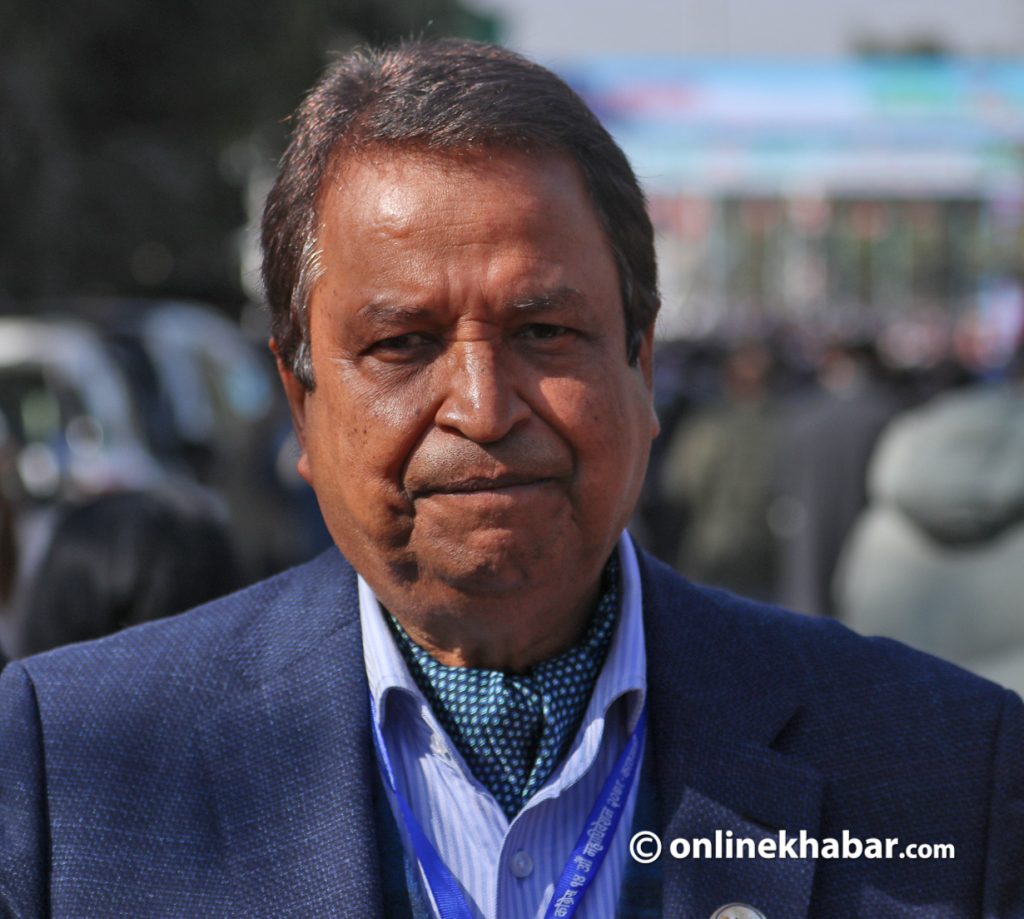
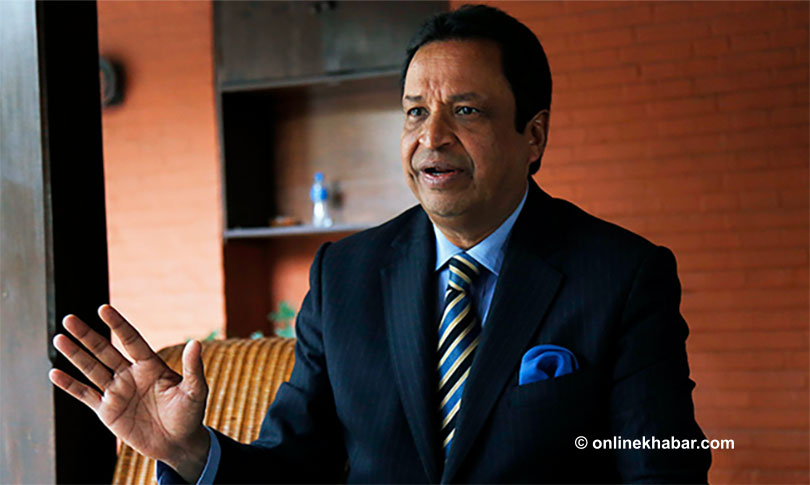
Binod Chaudhary, Nepal’s only dollar billionaire, has been elected vice-president of the Nepali Congress under its inclusive category, securing 1,745 votes at the party’s 15th general convention.
His election marks another milestone in a political journey that began with his entry into the Constituent Assembly as a proportional representative of the CPN-UML in 2008 and has now taken him to the upper ranks of the Nepali Congress.
Chaudhary’s rise in politics has been accompanied by repeated success through inclusive representation. After joining the Nepali Congress, he was elected to the party’s central committee under the Madhesi quota at its 14th general convention. He has now secured the inclusive vice-president position.
According to Forbes’ 2025 billionaire list, Chaudhary had an estimated net worth of $2.1 billion, ranking 1,982nd among the world’s wealthiest individuals.
The 70-year-old businessman chairs Chaudhary Group and CG Corp Global, business conglomerates with interests spanning multiple sectors. The group operates across 27 countries on five continents, with 160 companies and 123 brands associated with Chaudhary’s business interests. CG Corp Global claims its Wai Wai noodle brand holds a 2.6 per cent share of the global instant noodle market.
Before entering formal politics, Chaudhary had established himself as a prominent figure in Nepal’s private sector, having led the Federation of Nepalese Chambers of Commerce and Industry and the Confederation of Nepalese Industries.
From UML proportional representative to Congress leadership
Chaudhary developed close ties with influential political figures during the Panchayat era, including Queen Aishwarya, Prince Dhirendra Shah and former prime minister Surya Bahadur Thapa. Following the political changes of 1990, he moved closer to the CPN-UML.
He formally entered electoral politics through the UML in 2008, when he became a member of the first Constituent Assembly through the party’s proportional representation list rather than a directly contested constituency.
In 2017, he joined the Nepali Congress, continuing his political career in a different party. At the Congress’s 14th general convention, he was elected central committee member under the Madhesi quota, receiving 2,206 votes.
His latest election as vice-president under the inclusive category reinforces a pattern in which inclusive representation has played a significant role in his advancement within party structures.
Party success despite electoral defeat
Chaudhary won the House of Representatives election in 2022 from constituency 1 of West Nawalparasi as a Nepali Congress candidate.
However, in the parliamentary election held on February 21 following the Gen Z movement, he lost the same constituency to Rastriya Swatantra Party candidate Bikram Khanal.
The electoral defeat did not halt his rise within the Congress. Instead, changes in the party’s internal alignments helped him consolidate his position in its leadership.
Initially associated with the faction led by Sher Bahadur Deuba, Chaudhary later aligned himself with the group led by Gagan Thapa following the Gen Z movement. He participated in the special general convention organised under Thapa’s leadership and has now been elected vice-president in the leadership team formed at the 15th general convention.
In the contest for the inclusive vice-president position, Chaudhary received 1,745 votes. His rivals Jiban Pariyar received 1,658 votes, Farmullah Mansur 1,144, Sita Gurung 1,112 and Ranjit Karna 562.
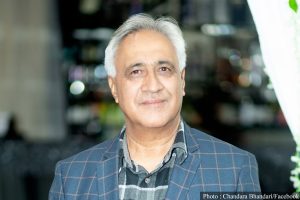
In the open vice-president category, Chandra Bhandari won with 3,735 votes, while Madhu Acharya received 2,342 votes.
Pushpa Bhusal was elected vice-president under the women’s category, while Bishwa Prakash Sharma had already been elected senior vice-president unopposed.
Under the party’s amended statute, the Nepali Congress has five vice-presidents, including the senior vice-president.
Chaudhary’s election comes despite his recent defeat in a direct parliamentary contest, underlining the distinction between electoral success and influence within party structures. From entering Parliament through proportional representation to securing senior positions through inclusive party quotas, his political trajectory reflects how party conventions and internal alignments can shape leadership careers beyond the ballot box.