Kathmandu, September 21
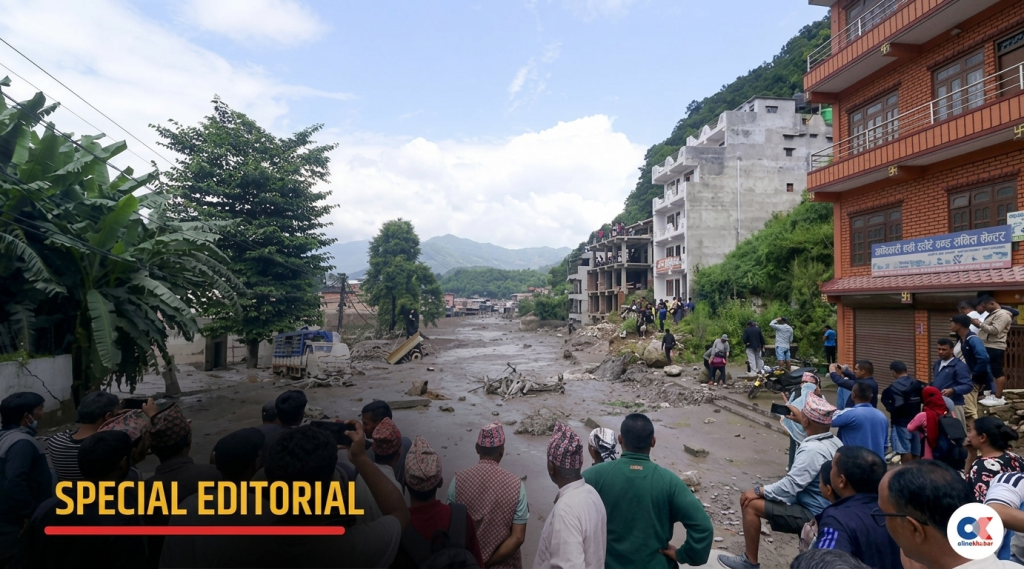
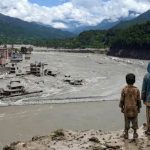
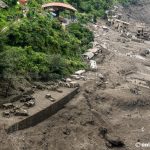
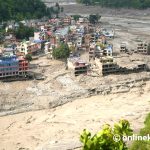
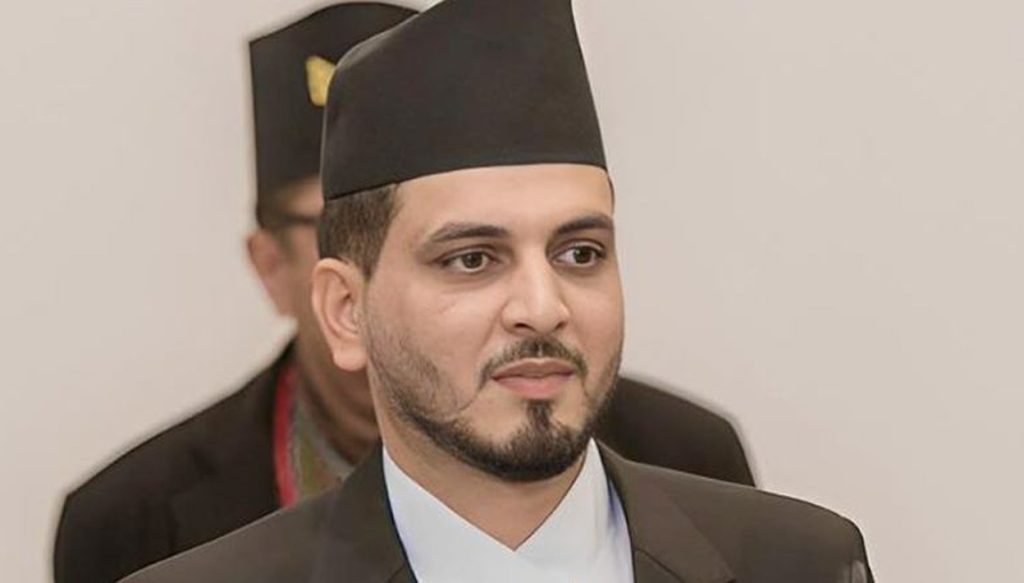
Infrastructure Development Minister Sunil Lamsal has said that around Rs 100 billion is needed for post-disaster reconstruction and infrastructure management following the Bhotekoshi disaster.
Speaking at a meeting of the Infrastructure Development Committee held at Singha Durbar on Monday, Minister Lamsal said this amount would be required for a plan covering the current disaster damage and future preparedness.
According to Lamsal, the government has already moved ahead through an “emergency tender” process to quickly repair damaged structures and restore connectivity after the disaster. He said work has gathered pace in places with complex geography, including Krishnabhir, with the support of geotechnical experts and the swift action of the Department of Roads.
The Disaster Authority recently submitted an initial demand of Rs 90 billion. This includes reconstruction of damaged roads and bridges, construction of two alternative routes, and work to reduce future risks.
“The Disaster Authority has presented a requirement of about Rs 90 billion for reconstruction. Including additional damage such as buildings and drinking water, the total requirement is estimated to reach about Rs 100 billion. The government has adopted a policy of managing the necessary resources so that work does not stop,” he said. “Where detailed project reports have been prepared, structures such as bridges will be tendered immediately under the design-and-build model and rebuilt quickly. Drinking water has also been prioritised as an essential service.”
Lamsal said that with the costs of drinking water and other infrastructure added, the total requirement is estimated to reach Rs 100 billion. On managing financial resources, he said coordination with the Ministry of Finance is under way and made clear that work will not stop for lack of budget.
“Reconstruction work is being advanced in phases. In the first phase, priority was given to clearing damage and restoring connectivity, and emergency tenders were opened in phases on the 12th, 16th and 17th,” Lamsal said. “The emergency provision in the Public Procurement Act has helped move this along faster. In areas of complex geography, including Krishnabhir, designs were prepared immediately on the advice of geotechnical experts and work has advanced. The Department of Roads is carrying out blasting and other work in parallel at many places.”
On drinking water, he said a temporary arrangement has been made for now, but there are plans to purify river water and distribute it, keeping in view the dry season that will begin in two months.