Through years of working alongside land-poor and displaced communities, I have learned that recovery is measured not by the relief we hand out, but by whether families can live again with dignity, security and hope.
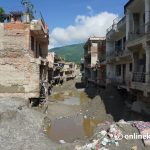
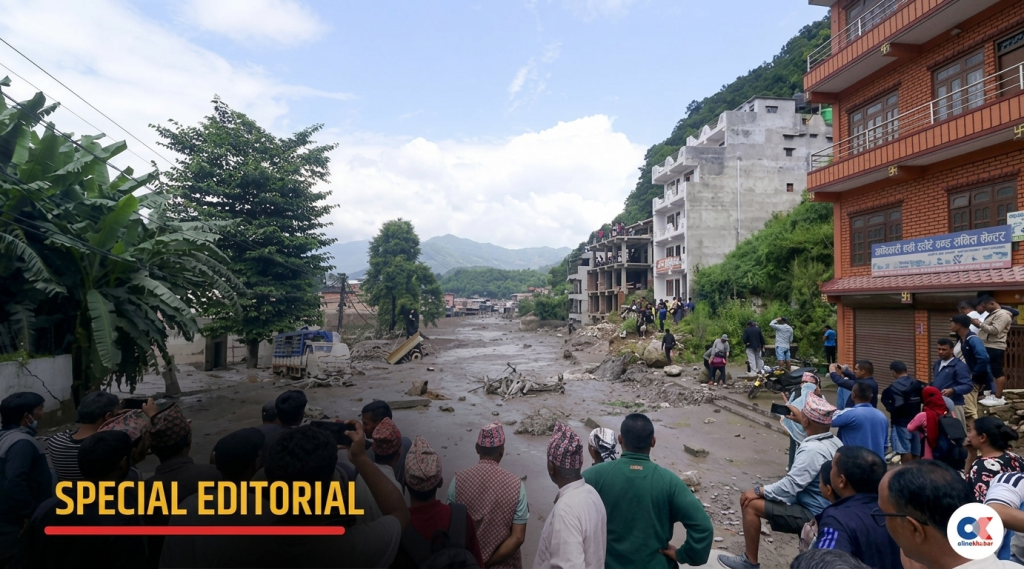
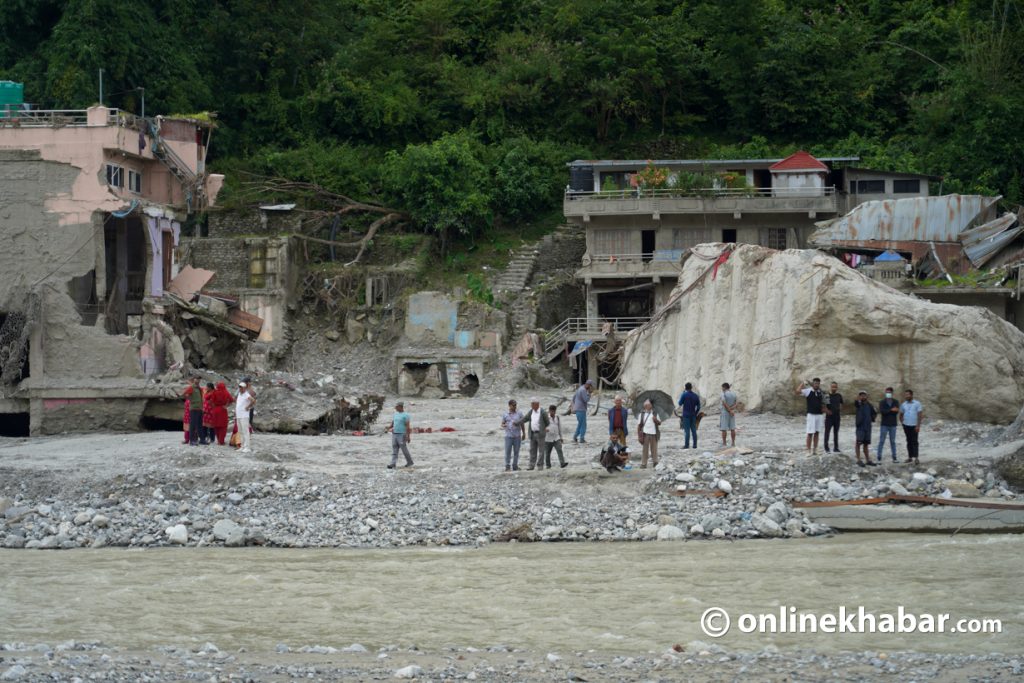
The flash floods that struck Rasuwa, Nuwakot and Dhading on August 26 took far more than homes and roads. In the worst-affected settlements, many people have died or remain missing.
Survivors have lost their homes, land, livelihoods and, in many cases, several members of their families. People are still searching along riverbanks and in forests, hoping that even a body can be recovered so that final rites can be performed with dignity.
A different kind of humanitarian crisis
The usual approach to delivering relief — reaching one household at a time and assessing each family’s losses — does not fully fit what has happened here.
In Rasuwa, Nuwakot and Dhading, families themselves have been scattered. Some members have died or are missing. Others have moved in with relatives, while some are staying in holding centres. In some places, the population has been dramatically reduced.
Many displaced families are sheltering in schools that are now serving as holding centres. As schools prepare to reopen, the question is becoming increasingly urgent: where will these families go?
Two weeks on, many still have no answer. In some places, even a verified list of those affected has yet to be drawn up.
This is why the first priority should be people and families — not only relief commodities.
One affected family member staying at the holding centre at Bhimsensthan Basic School in Uttargaya asked a simple but critical question: “You are bringing relief to us, but where will we put it? Where will we go when the school reopens?”
From holding centres to dignified living

The government and humanitarian agencies have distributed significant amounts of relief assistance. Food, water, hygiene supplies, blankets and other essentials remain vital in the immediate aftermath. But relief alone cannot resolve the current crisis.
People cannot remain in holding centres indefinitely.
One practical option would be to provide rental assistance for six months to one year to families who can safely find accommodation in nearby communities or cities. This could help many of those now living in holding centres move quickly into more stable family surroundings.
But rental support is only the first step.
Many of the families hit hardest had little or no land of their own even before the flood. Some had been resettled on these very riverbanks after losing their homes in earlier disasters. For them, real recovery will depend on secure land — safe plots where they can rebuild with proper tenure, rather than return to ground the river has already taken.
For those who cannot access rental housing, temporary shelters will be necessary. But these arrangements should not become permanent camps. They should be connected to a clear recovery plan built around secure land and housing, while also addressing livelihoods, education, health and protection.
With strong coordination between the government, humanitarian organisations, development partners and local communities, there is a realistic possibility of supporting many families to move towards more permanent housing within a year.
But this requires a common mission, clear responsibilities and coordinated resources rather than fragmented interventions.
Cash is a humanitarian need too
Another major gap is cash assistance.
People who have lost everything need more than food and blankets. They need clothes, medicines, transportation and other basic necessities. Families searching for missing relatives or recovering bodies may have to travel from one location to another. People who have lost access to regular medicines need immediate access to them.
Cash assistance gives affected people the flexibility and dignity to address their needs according to their own priorities.
During our visit, some elderly women told us they were not comfortable with the clothes distributed as relief because they were different from what they normally wore. They wanted to buy the traditional clothes they were accustomed to wearing, but they had no cash to do so.
A young man shared another deeply painful reality: “Today is the 13th day since the death of my family member, but I do not have even a single rupee to buy incense (dhup) for the ritual and prayers.”
These experiences show that cash is not simply financial assistance. It gives affected families the choice and dignity to meet their immediate needs in ways that external relief cannot always anticipate.
Yet many affected families have not received direct cash support. This creates additional hardship at a time when people are already experiencing enormous emotional and financial stress.
Humanitarian assistance should restore dignity and choice, not only provide commodities.
Listening to affected families
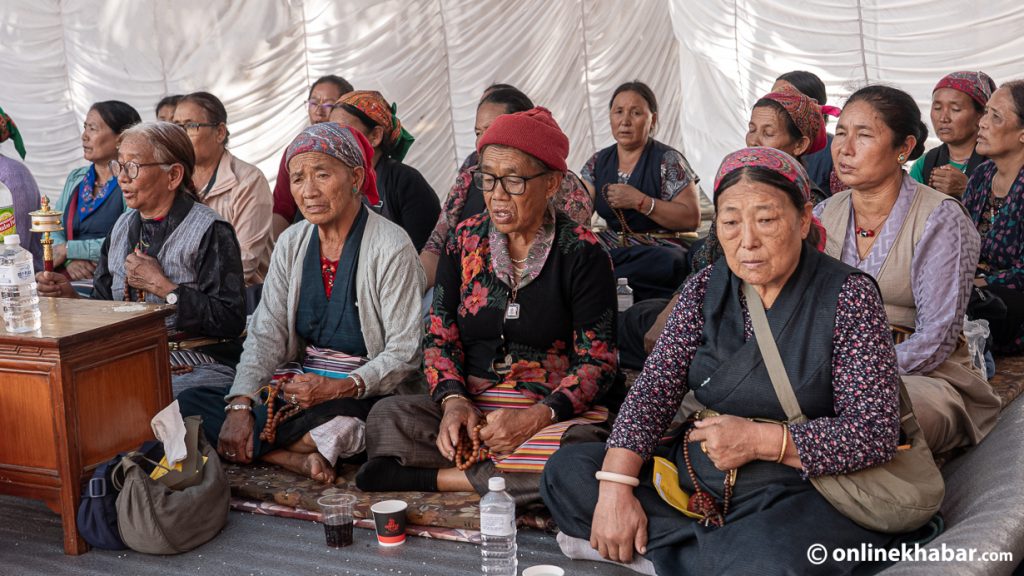
Perhaps the most important lesson is that recovery cannot be designed entirely from outside affected communities.
Affected families and local governments must be directly involved in recovery and reconstruction decisions. These people know their land, settlements, livelihoods, risks and priorities better than anyone sitting outside the disaster area.
Consultation must go beyond simply informing people about decisions that have already been made. Their views must influence the decisions themselves.
Solutions developed by people who have not experienced the disaster, without properly listening to survivors, are unlikely to respond to the realities on the ground.
We need to listen to affected families — not only through technical assessments, but with empathy and from the heart.
Recovery should not be something that is done for affected people. It should be done with them.
From relief to resilient recovery
The international community and Nepal’s development partners have an important role beyond the immediate relief operation.
The financial resources already mobilised must reach affected families effectively and transparently. But resources should also support the longer-term recovery of housing, land, livelihoods and community infrastructure.
At the same time, this disaster requires serious study. We need to understand what happened, why the consequences were so severe, which early-warning and preparedness mechanisms worked or failed, and how similar risks can be reduced in the future.
The findings should form a strong case for greater international investment in disaster preparedness, early-warning systems, climate resilience, risk reduction and safer infrastructure.
The tragedy in Rasuwa, Nuwakot and Dhading reminds us that disasters destroy far more than buildings. They can tear apart families and livelihoods, erase memories and undermine people’s sense of security.
Therefore, the recovery response must be measured not by how many relief packages are distributed, but by whether affected people can once again live safely, with dignity, security and hope.
The immediate task is to find the missing, support the survivors and provide safe and dignified living conditions.
The larger task is to rebuild lives, restore livelihoods and ensure that communities are better prepared for the next disaster.