

Kathmandu, September 18
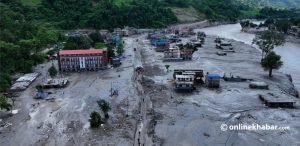
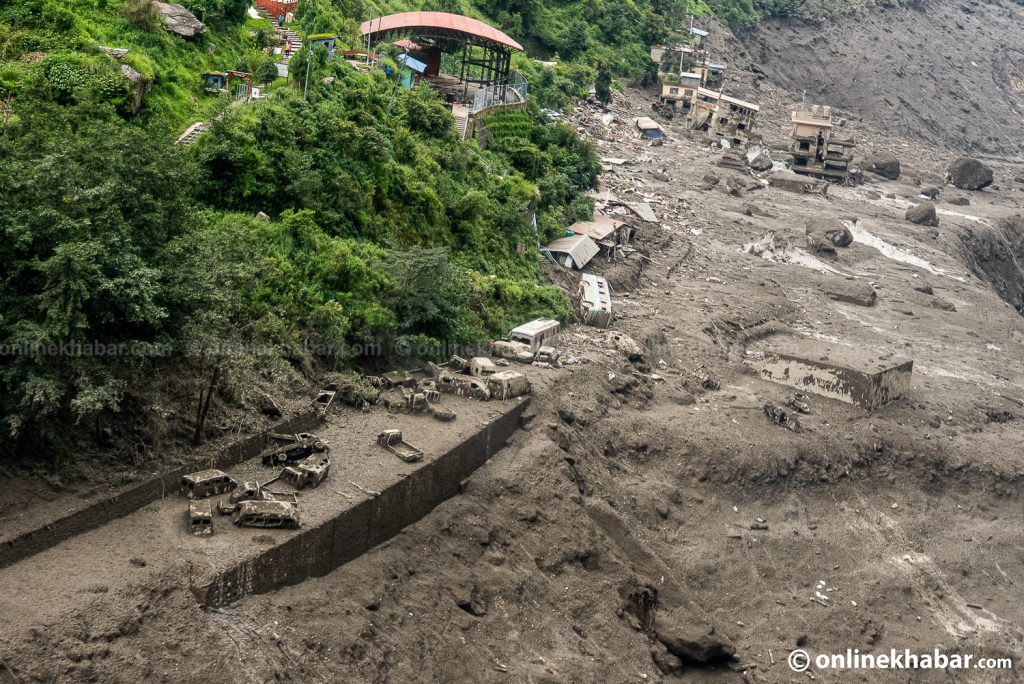
The risk of infectious diseases has increased in areas affected by the Rasuwa floods, with 81 people diagnosed with diarrhoea at various holding centres over the past three weeks.
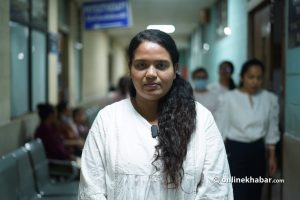
Dr Sameer Adhikari, spokesperson for the Ministry of Health, said the risk of infection has increased because of problems with drinking water and sanitation, a lack of properly managed toilets and overcrowding at temporary shelters and holding centres.
“Cases of diarrhoea have been reported among people staying at the holding centres. It has not spread to the extent of a major outbreak or epidemic,” Adhikari told Onlinekhabar. “However, the risk of infection is higher because of the temporary living conditions, so we are taking precautions.”
The risk of infectious diseases typically rises in areas affected by floods and landslides. Public health experts say floodwaters can contaminate water sources and food, increasing the possibility of waterborne diseases.
Diarrhoea, cholera, flu, typhoid, dengue, leptospirosis, viral hepatitis and various skin infections are among the diseases that can become more common following such disasters.
Fever cases also reported
Some flood-affected people staying at Shivalaya Basic School in Uttargaya Rural Municipality of Rasuwa have also developed fever.
Prakash Nepal, a teacher at Nilkantha Secondary School, said the number of people with fever has increased in recent days.
“Five to seven people at the holding centre have developed fever,” Nepal told Onlinekhabar. “Uttargaya-5 Ward Chairperson Eknath Acharya became seriously ill with fever and was airlifted to Kathmandu for further treatment.”
Infectious disease specialist Dr Sher Bahadur Pun said the possibility of waterborne disease outbreaks can remain for months following a natural disaster.
“When water sources become contaminated, diseases such as diarrhoea, cholera and typhoid can spread easily,” Pun said. “The risk of cholera becomes particularly high after floods and inundation because drinking water can become contaminated.”
Public health experts say waterborne infections are among the most immediate health threats after a disaster. Besides cholera, diarrhoea and fever caused by various bacteria and viruses can also occur, making continuous disease surveillance necessary.
“Cholera can make many people seriously ill. If one or two cases appear, there is a possibility of it spreading to many others,” Pun said. “If symptoms such as diarrhoea or fever are identified and treated immediately, the spread of infection can be prevented to a large extent.”
Cholera can cause persistent diarrhoea, vomiting and muscle cramps. Doctors say symptoms can appear anywhere from 12 hours to five days after infection, usually within two to three days.
They therefore recommend that ensuring safe drinking water and proper water treatment should be a priority in flood-affected areas.
Overcrowding increases transmission risk
The collective accommodation of displaced people at holding centres also increases the risk of person-to-person transmission.
Respiratory infections such as flu and Covid-19 can spread more easily in crowded conditions, particularly through coughing.
Pun pointed to international experience showing that infectious disease risks can persist long after a disaster itself has passed.
He cited Haiti, where a major cholera outbreak emerged several months after the devastating earthquake in 2010.
“The earthquake occurred in January, but the major cholera outbreak appeared in October,” Pun said. “The risk of infection does not end when the disaster ends. As long as displaced people do not have organised accommodation, drinking water, sanitation and other necessary infrastructure, the risk of infectious diseases remains.”
Dengue and leptospirosis risks
Experts also warn that the risk of dengue can increase after floods because stagnant water provides suitable breeding grounds for mosquitoes.
Flooding can leave pools and pits of standing water, including relatively clean water, where dengue-carrying mosquitoes can breed.
Flood debris can also contaminate water sources. Various infectious diseases can spread through contaminated water and food.
Doctors are also concerned about leptospirosis, a bacterial infection whose risk can increase after disasters.
The disease can be transmitted through contact with water or soil contaminated by the urine of infected animals. The risk is higher when people have cuts or open wounds on their skin.
“An infection can spread quickly if someone has a wound, an open cut or drinks contaminated water,” Pun said. “There have been cases of this disease spreading after floods and landslides.”
Symptoms of leptospirosis can generally appear between two and 30 days after infection. They may include fever, headache, muscle and joint pain, red eyes, abdominal pain, diarrhoea and rashes.
In severe cases, doctors say the disease can cause jaundice and problems affecting the kidneys and nervous system and can even be fatal.
Typhoid and skin infections
Public health expert Dr Baburam Marasini says typhoid could also become a major health challenge in flood-affected areas.
Typhoid spreads through contaminated food and water, making people displaced by floods particularly vulnerable.
“Houses have been destroyed and there are no toilets. People are forced to use whatever water is available,” Marasini said. “In such circumstances, the risk of typhoid increases further.”
If not diagnosed and treated on time, typhoid can cause intestinal perforation, bleeding and complications affecting other organs.
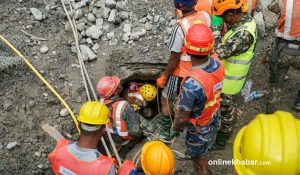
Skin infections are another concern among flood-affected people. Some people have already developed skin-related problems, while animal and human remains in affected areas have also contributed to foul odours and unhygienic conditions.
Dermatologist Dr Prajjwal Pudasaini said skin problems tend to increase in such circumstances.
“Problems such as itchy skin, burning sensations and rashes increase,” he said. “Fungus becomes active in damp environments and can attach to and affect the skin.”
Ministry says response is being coordinated

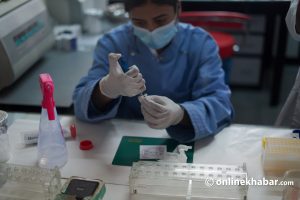
The Ministry of Health says it is coordinating with relevant agencies to identify and treat diseases in affected areas and improve sanitation in response to the infection risks.
Health Ministry Secretary Dr Bikash Devkota said preparations and precautionary measures had been taken to prevent diarrhoea from spreading in flood-hit areas.
He said the ministry had not assessed the cases reported so far as a major outbreak.
“Health workers are being deployed. Necessary medicines, treatment and other supplies have also been kept ready,” Devkota said. “There are health workers at the holding centres. Local governments and relevant agencies also need to pay attention to sanitation.”
He said preparations had been made to immediately mobilise health workers if diarrhoea begins to spread.
The government has also made cholera vaccines available in the affected areas, treating them as potentially high-risk zones, according to Devkota.
Safe water and food key to preventing outbreaks
Experts say immediate coordination among local governments, health institutions and government agencies is necessary to prevent infectious diseases from spreading in flood, landslide and inundation-affected areas.
They recommend prioritising safe drinking water, waste management, disease surveillance and expanding health services in high-risk areas.
Marasini said local governments and health institutions should identify areas where infectious diseases are likely to spread and immediately implement preventive measures.
“Potential areas for the spread of infectious diseases should be studied and preventive measures taken immediately,” he said. “If local governments actively work on disease control along with public awareness, the spread of infections can be prevented to a large extent.”
Experts have also recommended health camps, disease surveillance and psychosocial counselling where necessary, alongside the provision of safe drinking water.
Doctors advise people in flood-affected areas to drink only boiled or properly treated water, eat fresh food, use toilets for defecation and urination, and wash their hands thoroughly with soap and water after using the toilet and before preparing food.
Raw vegetables and salads should also be washed thoroughly with clean water before consumption.
“If hands, food and water are kept clean, most infectious diseases can be prevented,” Pun said. “Many diseases spread through waste. So people should use clean, boiled water and fresh food.”