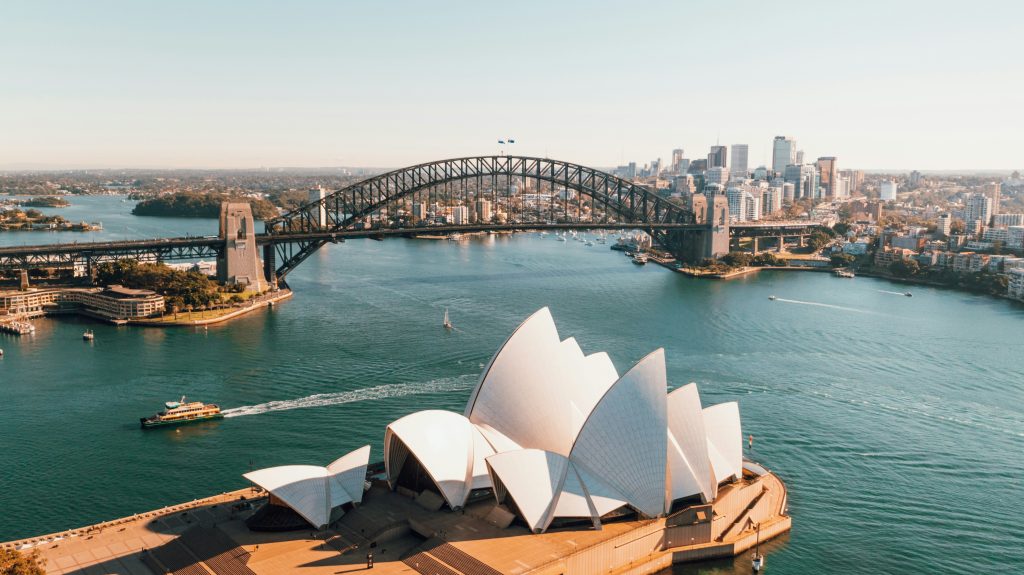
Sydney, September 17
Australia is tightening visa rules for international students and other temporary migrants, with most foreign students set to be barred from bringing their partners and children to the country while they study.
Home Affairs Minister Tony Burke announced the migration reforms on Thursday as the government seeks to reduce net overseas migration and tighten controls on temporary visa holders.
Under the new arrangements, most future international students will no longer be able to attach their spouses, partners or dependent children to their student visas.
There will, however, be exemptions for students from Pacific and Association of Southeast Asian Nations (ASEAN) countries, as well as those enrolled in certain courses, including PhD programmes. Students who are already in Australia with their families will not be affected.
The changes are part of a broader package aimed at reducing Australia’s net overseas migration to 225,000 by 2028. Net overseas migration had fallen to 292,100 in the year to March, according to figures released on Thursday, but remains above the government’s target.
Student families face new restrictions
Currently, partners of international students can accompany them to Australia and may be allowed to work, subject to conditions linked to the student’s course. Students can also bring dependent children under certain conditions.
The new rules will significantly restrict these arrangements for future student visa holders.
Burke said the changes would not break up families already in Australia and would apply to future visas.
The government says the measures are intended to give it greater control over the temporary migration programme and reduce pressure associated with high migration levels.
The reforms have prompted concern in Australia’s international education sector. Universities Australia chief executive Luke Sheehy warned that restricting students from bringing family members could affect Australia’s appeal as a study destination.
Visitor visas and ‘visa hopping’ targeted
The government is also moving to prevent temporary visa holders from repeatedly switching between visa categories to extend their stay in Australia.
A “no further stay” condition will be applied across visitor visas, meaning people entering Australia on visitor visas will generally be prevented from applying for another substantive visa while remaining in the country.
The government will also increase enforcement against people who remain in Australia after their visas expire.
It plans to appoint 100 additional compliance officers as part of efforts to identify and deal with visa overstayers.
Working holiday visa changes
The government is also changing arrangements for backpackers seeking to remain in Australia beyond their initial working holiday period.
For those seeking a third year of the working holiday programme, places will be allocated through a ballot, with the number of places significantly restricted.
Under the new arrangements, the second-year programme will also have a cap of 45,000 places, down from 57,000 people who qualified this year. The third-year programme will be limited to 5,000 places through the ballot system.
The government is also targeting “visa hopping” among international students, including cases where students repeatedly move from one course to another in order to remain in Australia.
Migration has fallen from post-pandemic peak
Australia’s migration numbers surged after international borders reopened following the COVID-19 pandemic.
Net overseas migration reached a peak of about 518,000 in 2023 but has since declined. The latest figure of 292,100 for the year to March is substantially lower than that peak.
The government has nevertheless maintained its target of bringing net overseas migration down to 225,000.
Burke has rejected suggestions that the changes are politically motivated, saying the government is seeking greater control over who enters Australia temporarily, who stays and who leaves.
International education remains a major export
The reforms come as Australia continues to rely heavily on international education as an economic sector.
International education was worth around A$55 billion to the Australian economy, making it Australia’s fourth-largest export sector, according to ABC.
Education sector representatives have warned that restrictions on students and their families could make Australia less attractive compared with other study destinations.
The government, however, says the reforms are necessary to bring migration back towards more manageable levels while ensuring temporary visas remain genuinely temporary.