
Kathmandu, September 4
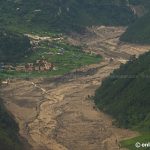
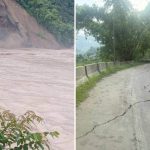
Of the 1,290 bodies recovered so far after the devastating floods in Rasuwa, fewer than 100 have been identified and handed over to their families.
The figures underline one of the most difficult tasks that follows a major disaster: identifying the dead.
In floods, landslides and other disasters, bodies can be severely damaged, remain buried under mud or stay in water for prolonged periods. In some cases, only parts of a body may be recovered. Such conditions can make identification based on appearance, clothing or personal belongings extremely difficult.
This is where DNA testing becomes an important forensic tool.
But what exactly is DNA testing, and how can it help identify someone whose body cannot be recognised?
What is DNA?
DNA stands for deoxyribonucleic acid. It is the genetic material found inside the cells of the human body and carries biological information that helps determine how a person develops and many of their inherited characteristics.
Although members of the same family share genetic material, each person has a unique combination of genetic characteristics. This makes DNA particularly useful for establishing biological identity.
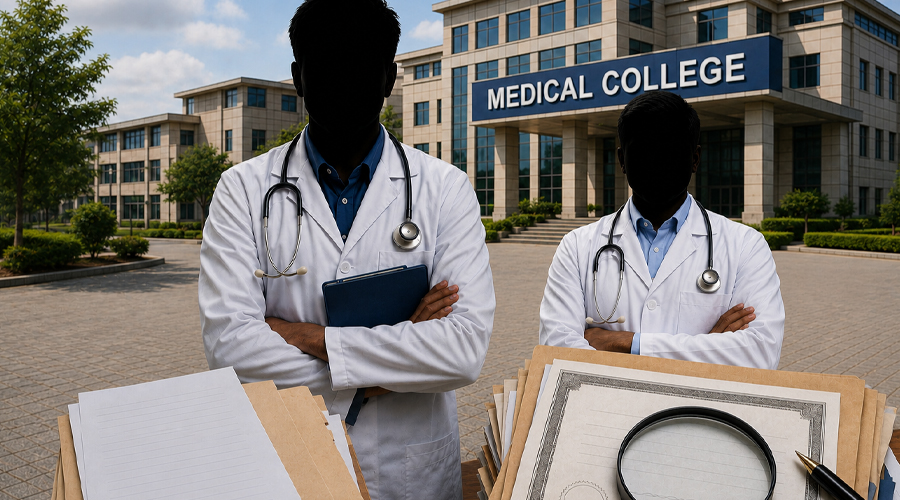
Forensic expert Dr Gopal Chaudhary describes DNA as the genetic material found in human tissues and cells.
“The basic material of chromosomes is DNA. Every person has a different genetic combination,” he says.
It is this difference that allows forensic scientists to use DNA as a tool for identification.
How does DNA identify a person?
DNA testing for identification generally involves creating a DNA profile from a biological sample and comparing it with another profile.
For example, if an unidentified body is recovered from a flood, investigators can collect a biological sample from the body and extract DNA from it. A DNA profile is then generated in a laboratory.
That profile can be compared with DNA obtained from the person’s biological relatives.
If the genetic relationship between the samples is sufficiently consistent, the analysis can provide strong evidence that the unidentified remains belong to a particular person.
In forensic identification, however, the conclusion is not based simply on whether two samples “match” by some percentage. Scientists use genetic and statistical analysis to assess how strongly the DNA evidence supports a particular identification.
Where is DNA collected from?
DNA does not have to come from blood alone.
According to Dr Chaudhary, DNA can be obtained from a variety of cells and tissues. White blood cells in blood are a relatively straightforward source. A sample can also be obtained from a swab from inside the mouth, hair, skin or other cells containing a nucleus.
The appropriate sample depends on the condition of the body.
This becomes particularly important after disasters. A body may be badly damaged or decomposed, but that does not necessarily mean DNA testing is impossible.
Bones, teeth and other tissues can provide potential sources of DNA when soft tissue has deteriorated.
“If only a part of the body is recovered, a piece of bone can be collected and DNA profiling can be carried out from the bone,” says Dr Chaudhary.
Why are relatives’ DNA samples needed?
When an unidentified body is recovered, there may be no direct reference sample available from that person.
Investigators therefore turn to biological relatives.
The closer the biological relationship, the more useful the comparison can be.
Parents and children are particularly important because a child inherits roughly half of their nuclear DNA from their mother and half from their father. This creates a strong genetic basis for establishing biological relationships.
For this reason, Nepal Police has prioritised samples from parents, sons and daughters of people missing after the Bhotekoshi floods.
If those relatives are unavailable, a brother or sister can also provide a sample.
Siblings share genetic material because they inherit DNA from the same parents, although the nature and strength of the relationship is different from a parent-child comparison. Forensic laboratories therefore take the specific family relationship into account when analysing the results.
What happens if only a body part is found?
Major disasters can leave investigators with another difficult problem: the remains of one person may be recovered in separate places, or only a small part of a body may be found.
DNA can help determine whether separate remains belong to the same person.
For example, if bone fragments or other biological remains are recovered from different locations, DNA profiles can be compared to establish whether they came from the same individual.
The same process can also help determine whether recovered remains are related to a particular missing person.
This is particularly important in a disaster such as the Bhotekoshi floods, where people have been reported missing and bodies or body parts have been recovered from different locations.
Why DNA is especially important after the Bhotekoshi floods
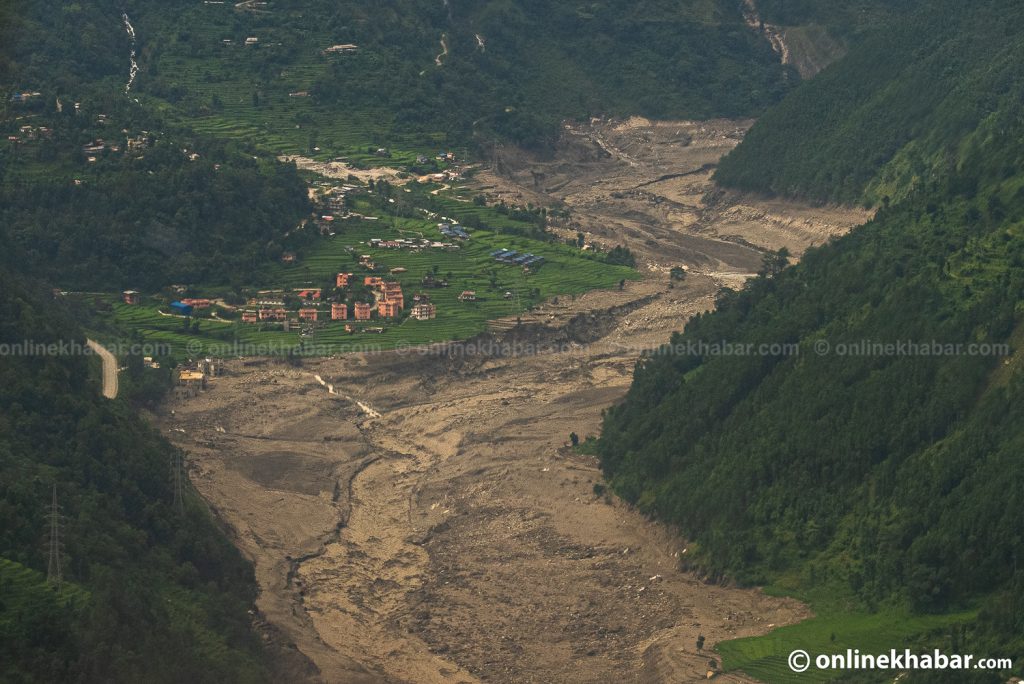
The Bhotekoshi flood has created a particularly difficult identification situation.
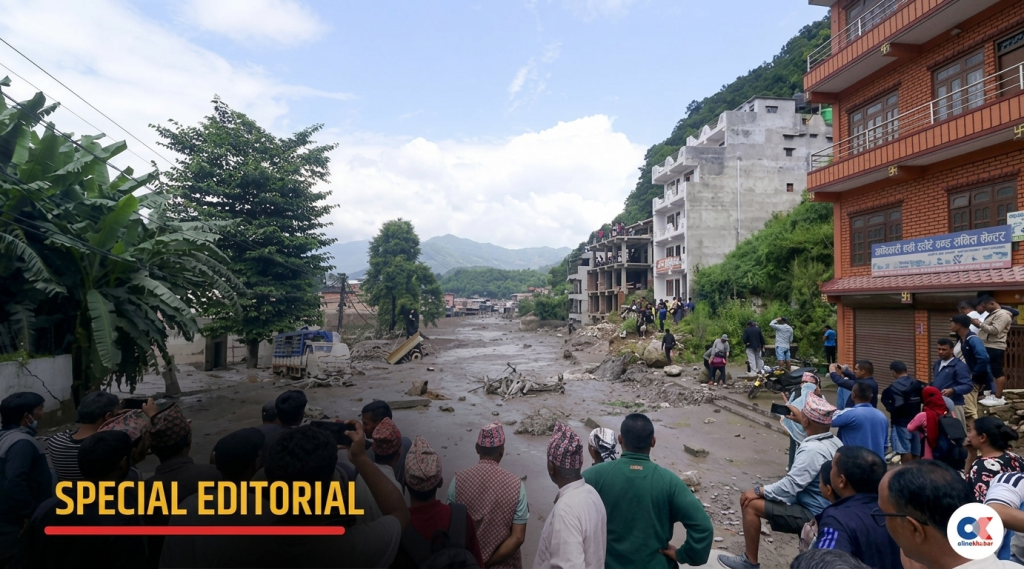
Many bodies have been exposed to water, mud and the environment for an extended period. Some may have suffered severe physical damage, making visual identification difficult or impossible.
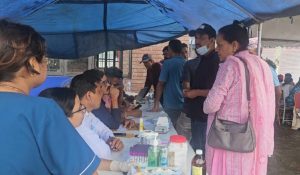
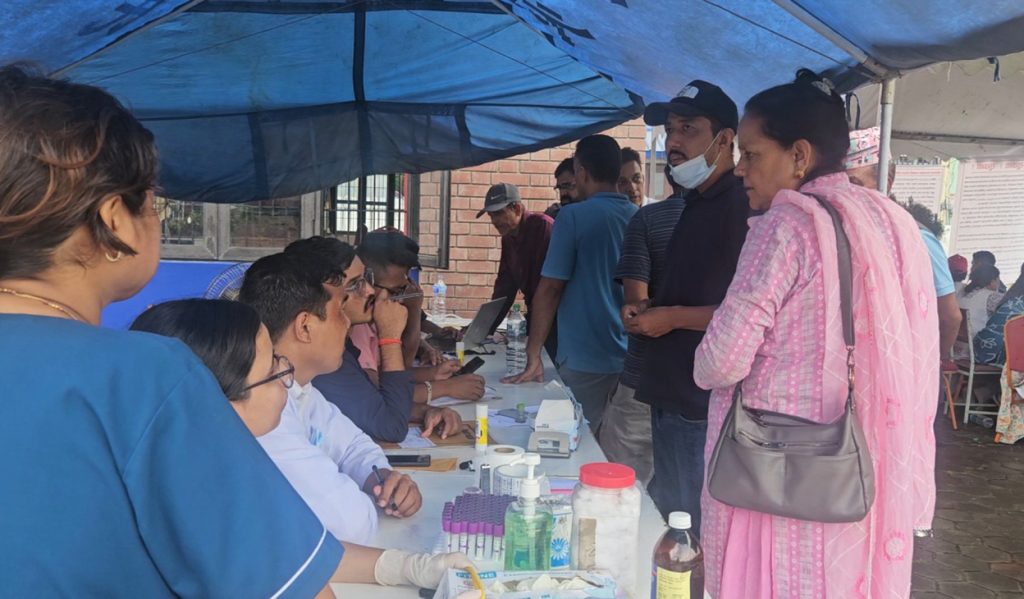
According to Nepal Police, families of people missing in the floods have been asked to provide fresh blood samples for DNA profiling.
Samples are being collected through the Nepal Police Hospital and its pathology laboratory in Maharajgunj, as well as through district police offices.
Police have prioritised parents, children and other close biological relatives for sample collection.
Relatives living abroad can also have DNA profiling carried out in the country where they reside and send the profile, along with necessary information about the missing person, to Nepal Police.
As of Thursday morning, police had collected DNA samples from 591 relatives while 1,143 bodies had been recovered from the Rasuwa disaster, according to the latest figures provided by police.
More than identifying a body
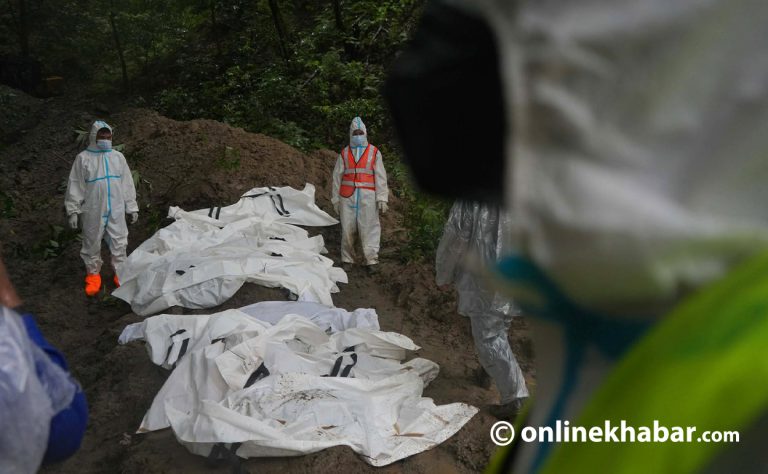
DNA testing in a disaster is not simply a laboratory exercise.
For families waiting for news of a missing relative, identification can provide an answer after days or weeks of uncertainty. It can allow them to know what happened to their loved one and, importantly, give them the opportunity to carry out final rites according to their wishes.
The technology therefore serves two purposes at once: it provides a scientifically reliable means of identifying human remains and helps families regain a sense of certainty after a devastating loss.
In disasters where bodies cannot be identified by appearance, DNA can become the link between an unidentified set of remains and a family waiting for answers.