Kathmandu, September 3
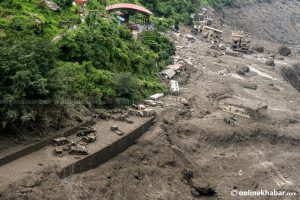
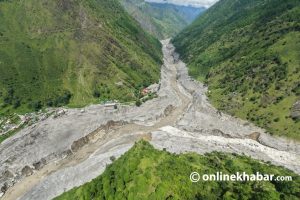
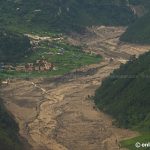
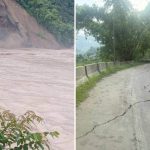
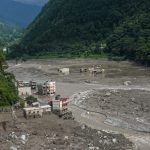
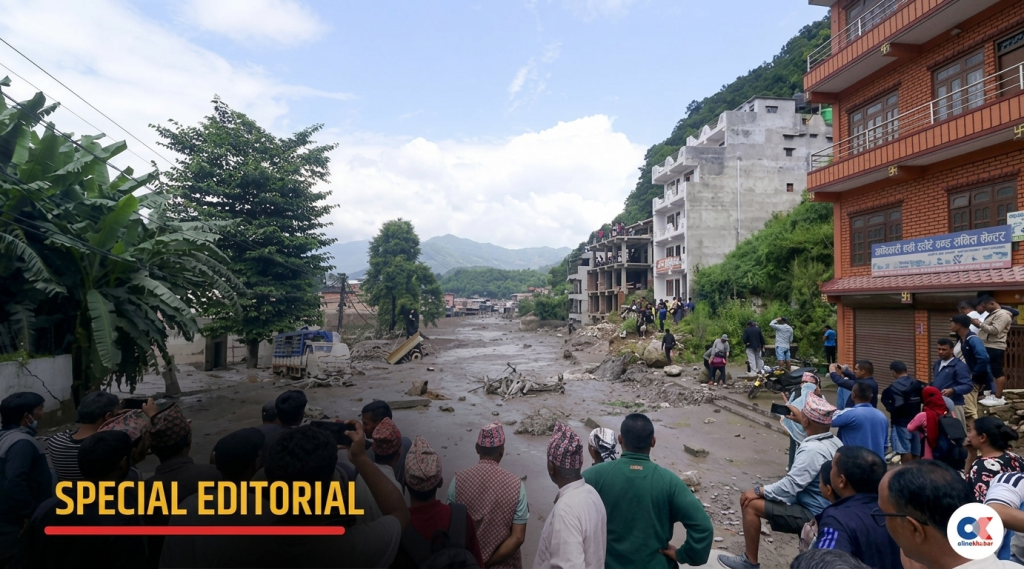
Nepal has halted electricity exports to Bangladesh and reduced exports to India after devastating floods in the Bhotekoshi River in Rasuwa caused extensive damage to hydropower projects. The Nepal Electricity Authority (NEA) said electricity generated by the Chilime and Trishuli hydropower projects, which were contracted for export to Bangladesh, can no longer be supplied after the floods damaged the projects.
Nepal had been exporting 40 MW of electricity generated by these two projects to Bangladesh. The exports have now been halted after the floods damaged power generation and transmission infrastructure. Nepal had received approval to export up to around 1,200 MW of electricity to India and Bangladesh combined. However, damage to hydropower projects in Rasuwa and Nuwakot caused by the Bhotekoshi floods has reduced the amount of electricity available for export.
The floods damaged 12 hydropower projects operated by the NEA and private developers. Both operational and under-construction projects suffered damage. The NEA said the direct impact on power generation has forced it to reduce electricity exports to India as well. Export volumes are expected to come under further pressure until flood-affected projects resume generation.
Floods complicate rescue operations and power generation
The floods have not only damaged hydropower infrastructure but also complicated efforts to rescue workers and employees at projects under construction.
At the Langtang Hydropower Project, a joint 25-member search and rescue team, including foreign technicians, has entered the tunnel to search for missing people. The team has gone about 150 meters inside the tunnel and created small openings at two locations to assess the condition of people who may be trapped inside.
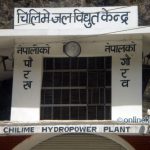
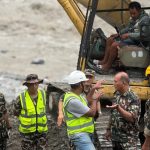
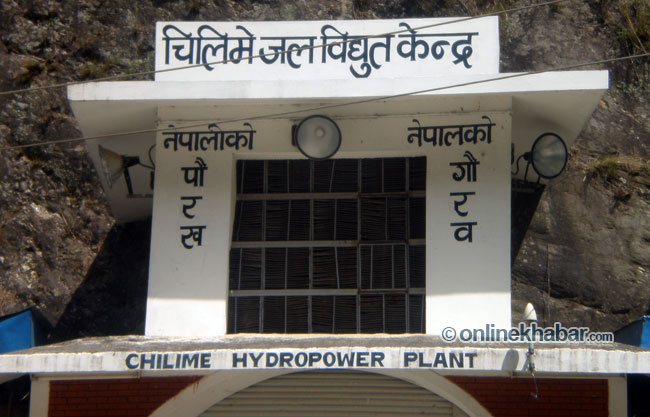
A joint team, including foreign technicians, is also conducting search and rescue operations at the Chilime Hydropower Project. Similarly, a 93-member joint rescue team is conducting search and rescue operations at the Upper Trishuli-3A Project. The team is using five excavators to clear mud, soil and other obstructions blocking the tunnel outlet.
While work continued until around 2 am, the opening at the tunnel outlet became too narrow. Blasting was therefore carried out in the crown area to widen and clear the opening. Opening the tunnel outlet to allow rescuers to enter and search for people who may be trapped inside has been given priority.
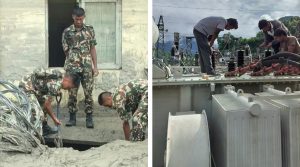
A joint team comprising Nepal Army personnel, civilian staff and project officials has also been deployed at the Upper Trishuli-3B Project. The team, comprising 89 Army personnel, three civilian staff and the project’s managing director, is identifying the project office and residential areas and working to clear access roads to those locations.
Excavators and bulldozers are being used to construct roads and remove soil in areas blocked by massive landslides and mud. A large number of workers and employees at hydropower projects affected by the Bhotekoshi floods remain unaccounted for. Hundreds of Nepali and foreign workers at the 12 affected projects have been out of contact since the floods.
A total of 974 people working at the affected projects remain unaccounted for. More than a week after the floods, authorities have yet to determine the status of people who may be trapped or remain out of contact in tunnels, underground powerhouses, offices and residential areas.
Although the government has mobilised search and rescue teams under the leadership of the Nepal Army, rescue operations have become extremely risky and challenging due to difficult terrain, landslides, mud and soil accumulated inside the tunnels.