Kathmandu, September 2
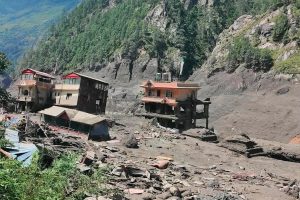
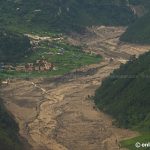
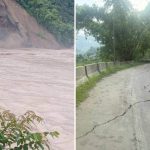
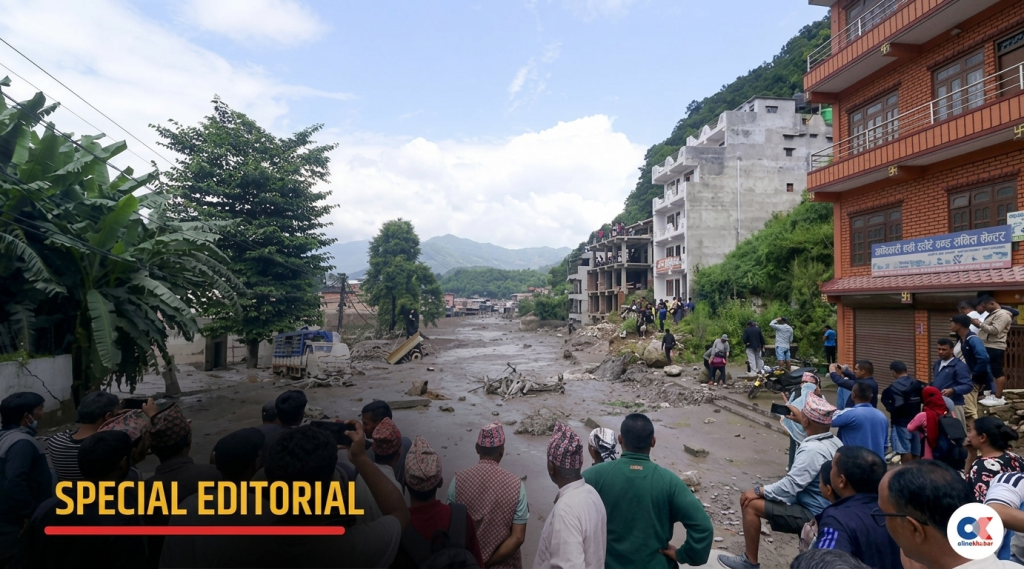
A massive flood entered the Trishuli River through the Bhotekoshi in Rasuwa on August 26, causing widespread loss of life and property along the riverbanks.
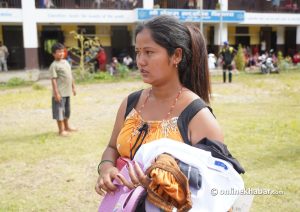
The flood swept away homes, damaged infrastructure and displaced families in several settlements. As the disaster unfolded, the government says it began a series of measures ranging from public warnings and emergency meetings to helicopter deployment, rescue operations and relief distribution.
Prime Minister Balen Shah presented the government’s response to the House of Representatives, providing a timeline of what authorities did from the time the first report of the flood was received.
The first information about the flood reached the government at 8:45 am. Fifteen minutes later, local administrations were instructed to urge residents in areas along the river to move to safer locations.
At 9:15 am, an emergency meeting of the National Disaster Risk Reduction and Management Council was called, with a decision to begin rescue operations in the affected areas. Warning messages were then sent to mobile phone users through telecommunications companies.
The Nepal Army deployed a helicopter for rescue operations at 9:45 am, while private helicopters were kept on standby. The Army’s Monsoon Command Post also held an emergency meeting and decided to mobilise search-and-rescue teams and resources.
By 10:30 am, search-and-rescue and emergency response teams had been placed on standby at Tribhuvan International Airport. Security personnel from Kathmandu and other districts were also mobilised for search, rescue and relief operations.
At 11 am, the National Disaster Risk Reduction and Management Council met at the Prime Minister’s Office. According to Shah, security chiefs were instructed to prioritise search, rescue and medical treatment, while additional helicopters and drone teams were ordered to be mobilised.
The Cabinet held an emergency meeting at 12:30 pm, deciding to intensify search, rescue and medical treatment. It also declared 15 affected local units disaster crisis-hit areas for three months.
The Cabinet decided to provide immediate financial assistance to families of those killed and to rescue injured and stranded people using Army and private-sector helicopters.
The government then consulted federal lawmakers from the affected areas and contacted local representatives by telephone to gather information. At 3 pm, a team led by the Information and Communications Minister left for the affected areas by road.
Later that evening, at 7:40 pm, the government publicly appealed for donations to the Prime Minister’s Disaster Relief Fund and the Prime Minister’s Relief Fund.
By midnight, eight trucks carrying relief materials had been sent towards the affected areas. The government also said free voice, data and SMS services had been arranged for mobile phone users in the affected areas.
Follow the government’s response hour by hour in the interactive timeline below.