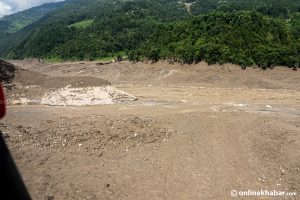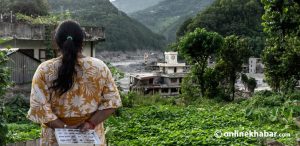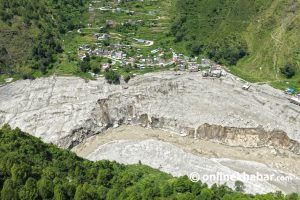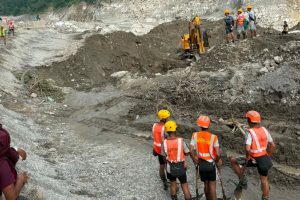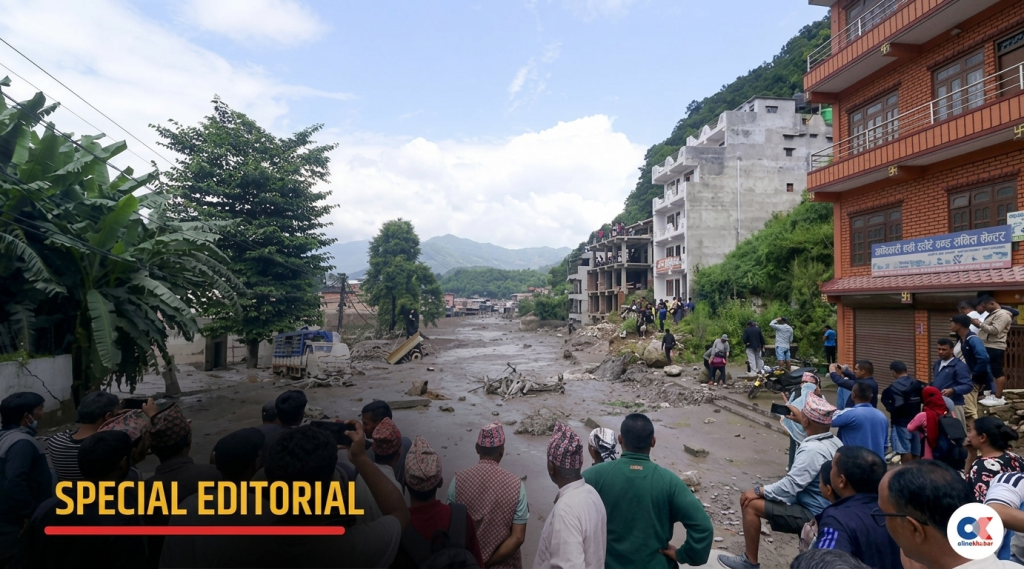


As soon as entrepreneur Samaya Khadka landed in Kathmandu from the USA on August 26, he learned about the flash flood in Rasuwa. He immediately posted a status on social media urging people to help those affected, along with a list of items needed to send as relief.
A few of his friends then got in touch. Initially, they created a WhatsApp group with five members, including Khadka. The others were Sadikshya Thapa, Suraj Pandey, Dr Manu Karki and Sudarshan.
After landing in Kathmandu, Khadka had planned to go straight home and rest. However, things took a different turn. Instead, he found himself discussing with his friends what could be done to help those affected.
Gradually, more people began showing interest in volunteering and reached out to Khadka. The group grew from five to 10, then 35, 50 and now, as of this piece, has 65 members. They come from diverse backgrounds, with the majority being students.
Others are from sectors including medicine, hospitality and activism, among others. The group is not affiliated with any organisation or political party, a factor that makes it stand out. None of them is paid either.
“We are working entirely independently,” says Khadka.
Initially, only individuals were reaching out to the group to hand over relief materials. Now, organisations are also contacting them for the same purpose.
There are six collection points where the group is accepting relief materials: Techspire College, Mandap and Moments, Yellow House, Ecosathi, Mirai Global and Cafe De Mandala. These locations cover all three districts of the Kathmandu Valley.
So far, the group has distributed relief to approximately 300 households.
“Initially, I didn’t think the group would be this huge,” says Khadka. “We are still receiving a lot of inquiries from people interested in volunteering and handing over relief materials.”
Members of Khadka’s group reached Dhunche, Rasuwa, after 36 hours of travel. They were “one of the first groups” to reach the area to distribute relief materials.

The group accepts only goods as relief. If anyone wants to provide financial assistance, they ask them to donate to the Prime Minister’s Relief Fund.
Although the floods have also affected Nuwakot, the group has decided to focus its relief efforts on Rasuwa. Authorities in Nuwakot told them that the district had received sufficient relief supplies, while people in Rasuwa were still facing shortages.
The group is now heading to Mailung to distribute relief. There, they plan to set up a camp with a capacity of 400 people.
This is not the first time members of this group have been involved in relief distribution. They have also worked in relief efforts during the COVID-19 pandemic, which gave them an understanding of the importance of relief distribution and how to prioritise needs when distributing supplies.
“Currently, we are distributing food, sanitary pads, lights, surgical supplies and other materials required during an emergency,” says Suraj Raj Pandey, another member of the group.
The group has not faced many challenges in distributing the relief itself. However, poor road conditions remain a major challenge, raising concerns about whether they will be able to deliver the supplies to their intended destinations.

“As the government has implemented a single-door system for relief distribution, we are afraid that the goods may not reach everyone,” Khadka adds.
Among the group’s 65 members is activist Amy Ban, who learned about the group through friends before social media helped her learn more about its work.
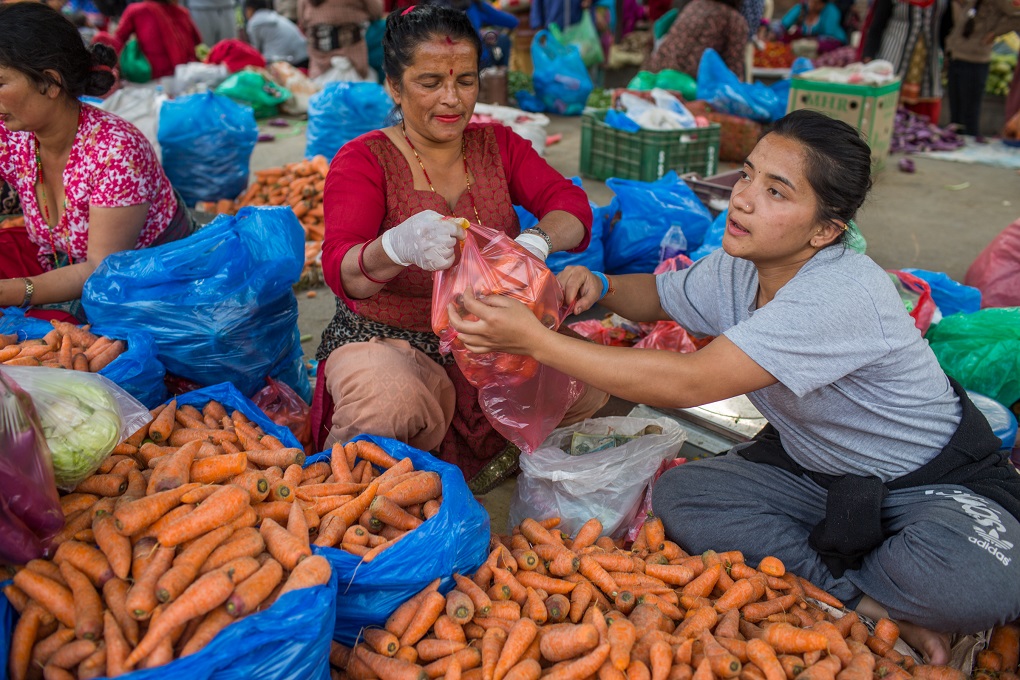
Ban regularly spends 10 to 12 hours a day managing the goods to be sent as relief. She coordinates with different individuals and organisations to make sure everything is in place.
“Right now, the most important thing is to make sure that the relief is in the right hands and delivered at the right time, and we are giving our best to make that happen,” says Ban.
From five people in a WhatsApp group to 65 volunteers coordinating relief across Kathmandu and Rasuwa, the group has grown far beyond what Khadka initially imagined.
But the road ahead remains difficult. As they prepare to head deeper into Rasuwa, their success will ultimately be measured not by how many people joined the group, or how much relief they collected, but by whether the supplies make it through the difficult roads and into the hands of those who need them most.