
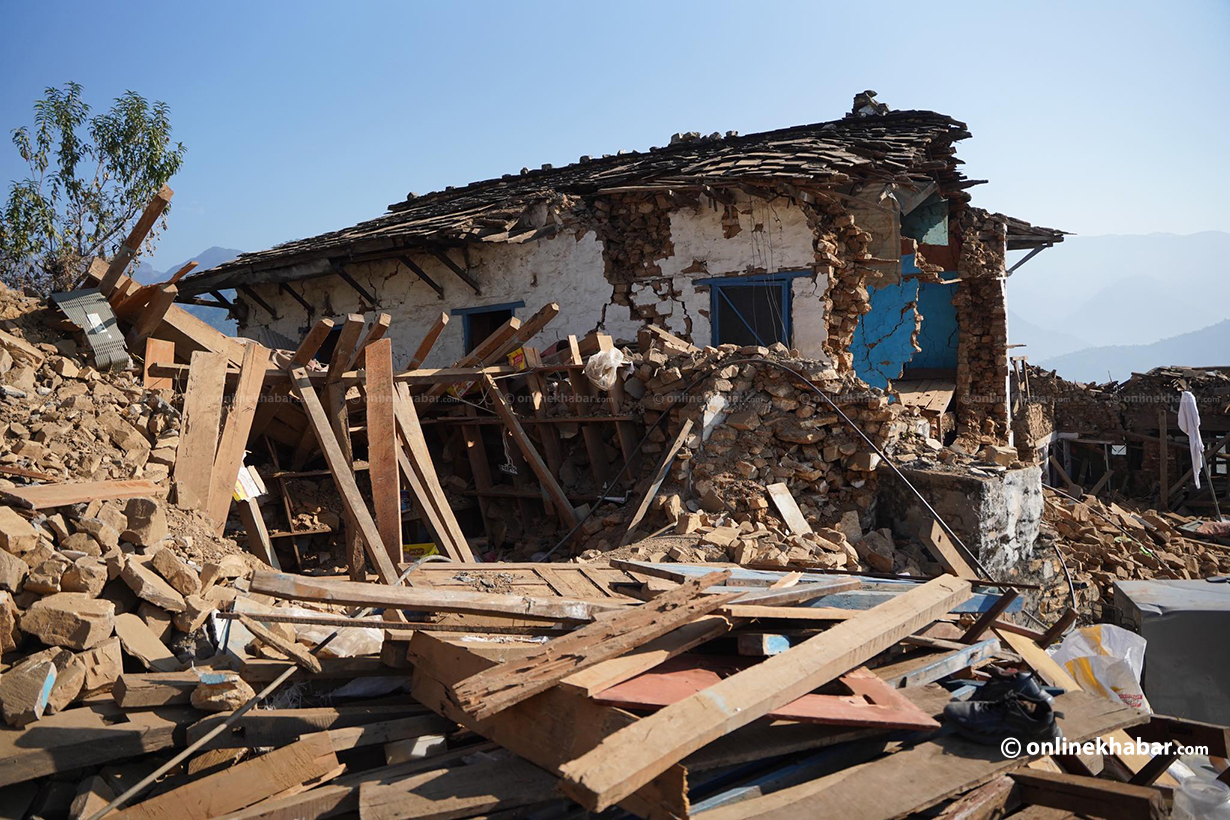
When the dust settled after the 2015 Gorkha earthquake, thousands of Nepalis walked through villages that no longer looked like home. Stone walls that had stood for generations lay in ruins. Historic settlements that had survived centuries of harsh Himalayan winters had collapsed within seconds. Families searched through stones, broken bricks, and timber, not only for their belongings but also for memories.
Across the country, schools, monasteries, temples, and community buildings suffered extensive damage, while countless traditional homes were reduced to piles of rubble. The earthquake claimed nearly 9,000 lives, most due to the collapse of more than 600,000 houses, and hundreds of thousands of families were left without shelter.
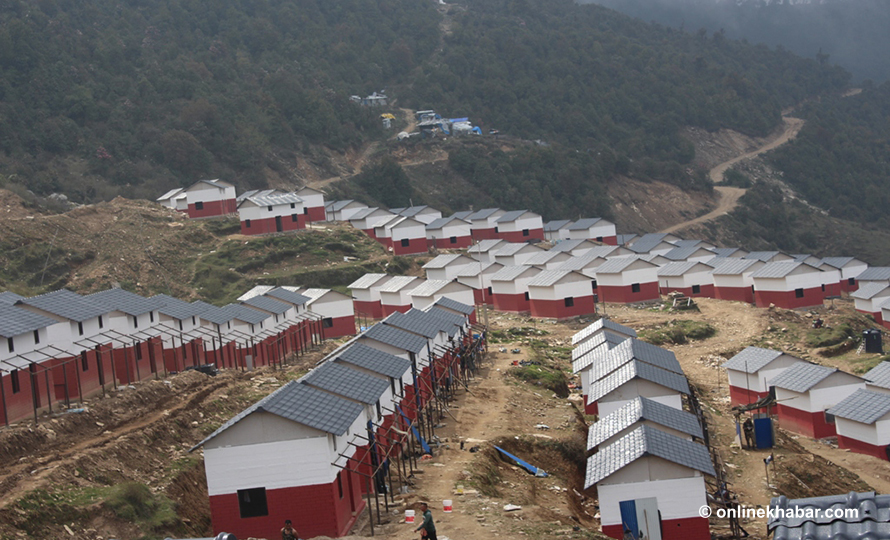
The devastation understandably changed how many Nepalis thought about housing. Damaged traditional masonry houses were demolished and replaced with reinforced concrete buildings. For many families, reinforced concrete represented safety, progress, and a fresh start after unimaginable loss.
Yet, over the past decade, another question has quietly emerged: What are we losing in the process?
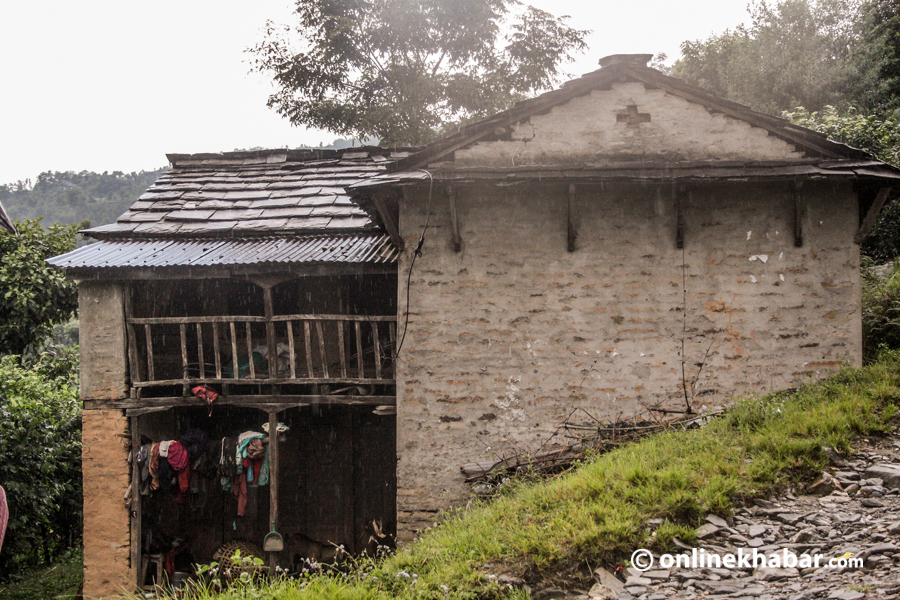
Traditional masonry houses in Nepal are far more than buildings. They represent centuries of accumulated knowledge, local craftsmanship, and ways of living that evolved to suit the Himalayan environment. Built using locally available stone, brick, timber, and mud mortar, these homes naturally stay cool during summer and retain warmth through the harsh winter months.
Their design also reflects generations of rural life. The Bhakari, traditionally used for storing harvested grain, helped preserve food naturally for extended periods. The attic provided dry, well-ventilated storage for crops and household goods, while the Pidi, a covered porch at the front entrance, served as a place where neighbours gathered, guests were welcomed, and families spent time together. The central Ageno, or fireplace, was not merely used for cooking; it was the heart of the home, where stories were shared and generations came together.
Replacing these houses with reinforced concrete buildings can therefore mean losing much more than traditional architecture. It can mean losing spaces and construction practices that have shaped the social and cultural fabric of Himalayan communities for centuries.
The issue also raises environmental and economic questions. Traditional masonry construction relies primarily on locally available materials and local craftsmanship, supporting rural economies while reducing the need to transport construction materials over long distances.
In contrast, reinforced concrete construction depends heavily on manufactured materials such as cement and steel, much of which would have to be transported into remote mountain regions. This can increase the environmental footprint of construction while placing a significant financial burden on families. For some, the cost of a reinforced concrete house could come at the expense of a child’s higher education, healthcare, or other opportunities.
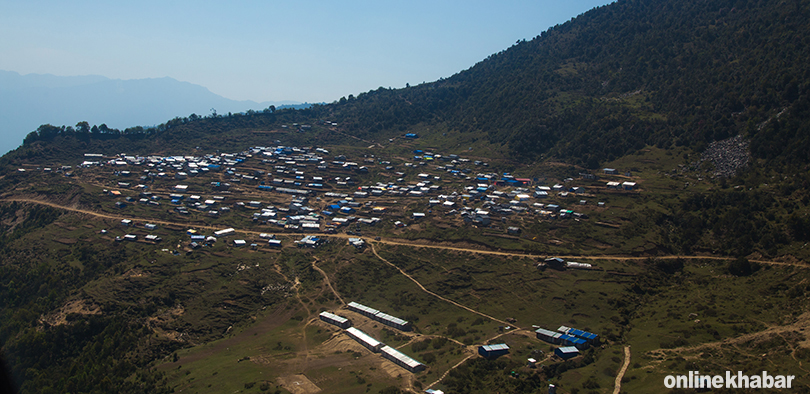
Given the cost of materials, limited access to skilled labour, difficult transportation routes, and the dispersed nature of mountain settlements, wholesale replacement of traditional housing with engineered reinforced concrete construction may not be practical or economically feasible across large parts of the Himalayan region. Improving the seismic performance of existing vernacular housing may therefore offer a more practical and scalable pathway to reducing earthquake risk.
Post-earthquake research also points to the importance of looking more closely at traditional construction. A 2020 study by Rohit Kumar Adhikari and Dina D’Ayala highlighted socio-cultural and functional challenges associated with some newly constructed rural houses following the 2015 Gorkha earthquake.
Importantly, the researchers also documented an approximately 80-year-old traditional masonry house that had survived three major earthquakes, including the 2015 Gorkha earthquake, and identified traditional timber features that contributed to its earthquake resistance.
These findings are a reminder that, while many traditional masonry buildings remain highly vulnerable, not all performed poorly during past earthquakes. Understanding why some survived, and what can be learned from the local knowledge embedded in their construction, may be just as important as understanding why others failed.
From an idea to a research collaboration
Following the 2015 Gorkha earthquake, Associate Professor Helen Goldsworthy from the University of Melbourne closely followed post-earthquake investigations and developments, including through discussions with her Nepali students.
She became increasingly interested in whether modern earthquake engineering, combined with local knowledge and traditional construction practices, could improve the seismic resilience of vulnerable masonry houses across the Himalayas. This was particularly important as some traditional knowledge and skills have gradually been lost, while rebuilding efforts have increasingly focused on modern construction.
Several years later, during a discussion over lunch, Helen shared this vision with me. Having grown up in a traditional masonry house in Nepal, witnessed its collapse during the 2015 Gorkha earthquake, and later participated in post-earthquake building assessments and reconstruction activities, I had long hoped to contribute to Nepal through engineering research. It quickly became clear that we shared the same aspiration.
As our discussions developed, we recognised that addressing such a complex challenge would require a broader team with expertise in earthquake engineering, structural modelling, traditional masonry construction, and experimental research. This led to the formation of an international research collaboration focused on practical ways to improve the earthquake resilience of traditional Himalayan homes.
The newly established joint PhD project between the University of Melbourne and IIT Kanpur represents the first phase of this longer-term vision. It seeks to answer a simple but important question: What techniques are best suited to improving the earthquake resistance of existing traditional masonry houses in the Himalayan mountain region?
Rather than assuming traditional masonry construction should be replaced, the research will investigate how its seismic resilience can be improved while preserving its cultural, environmental, and social value.
The project will focus on traditional masonry buildings across the Himalayan region, including Nepal, northern India, and Bhutan, where millions of people continue to live in homes constructed using locally available stone, brick, mud mortar, and timber. There is unlikely to be a single solution for the entire region. Construction practices, available materials, seismic conditions, and local skills vary considerably between communities, so strengthening solutions will need to respond to local conditions.
The PhD research will combine field investigations, advanced numerical modelling, and large-scale experimental testing. Traditional buildings and construction practices will first be documented, including vulnerable buildings and historic structures that have survived major earthquakes such as the 2015 Gorkha earthquake.
These observations will help identify construction techniques, materials, and local knowledge that may inform future strengthening solutions. A range of techniques will then be investigated using advanced computer models, with the most promising solutions validated through laboratory testing. The aim is to identify practical solutions that can be implemented using materials and skills realistically available within different Himalayan communities.
The project brings together the University of Melbourne and the Indian Institute of Technology Kanpur (IIT Kanpur), combining complementary expertise and research facilities across Australia and India. The research is jointly supervised by Dr Elisa Lumantarna and Honorary Principal Fellow Helen Goldsworthy from the University of Melbourne and Professor Durgesh C. Rai from IIT Kanpur. Together, the supervisory team brings expertise in earthquake engineering, structural analysis, experimental testing, and traditional masonry construction.
For engineering graduates with either a bachelor’s or master’s degree who have a passion for structural or earthquake engineering, the PhD position offers an opportunity to contribute to the first phase of this longer journey. The successful candidate will undertake a fully funded joint PhD at the University of Melbourne and IIT Kanpur. Further information about the project, eligibility requirements, and application process is available through the University of Melbourne’s Research Degree Opportunities website.
Once suitable strengthening solutions have been identified and experimentally validated, the next phase would be to demonstrate selected techniques in a small number of publicly accessible buildings in Himalayan communities, such as libraries or community buildings. These projects would allow engineers and communities to observe the techniques in practice and help build public confidence that traditional masonry buildings can retain their character while being designed or strengthened to better resist earthquakes.
The longer-term ambition is to translate the knowledge gained from the research and demonstration projects into practical engineering guidelines and, where appropriate, building design codes. This would involve working with local engineers, governments, and communities to support wider adoption across the Himalayan region.
The ultimate goal is to ensure that future generations do not have to choose between preserving their traditional homes and protecting their lives.