

Kathmandu, September 27
The sixteen-day ancestral rites, known as Sohra Shraddha or Pitri Paksha, began today. Observed every year from the first day of the waning fortnight of the month of Ashwin, the period began today. The calendars approved by the Nepal Panchanga Nirnayak Development Committee have stated that Shraddha for the first lunar day should be performed today. Prof Dr Devmani Bhattarai, a former member of the committee and scholar of religious scriptures, said the offering of pindas for the first lunar day should be performed after noon.
The period is called Sohra Shraddha because offerings of water, sidha and pindas are made with reverence to deceased ancestors on the 16 lunar days from the first day of the waning fortnight of Ashwin to the first day of the waxing fortnight of Ashwin. The period is also known as Apar and Preta Paksha.
According to the Vedic Sanatan Hindu scriptural tradition, Sohra Shraddha is observed to remember and pay respects to ancestors before festivals, yajnas and other major religious activities.
There is a scriptural belief that ancestors wait for offerings during this period. It is also a religious belief that observing Sohra Shraddha fulfils one’s duty towards one’s ancestors and frees one from ancestral debt.
Prof Dr Ramchandra Gautam, a religious scholar and former chairperson of the committee, said Shraddha is performed based on scriptural teachings that failing to perform the rites during this period results in an unforgivable religious fault.
He also said that scriptures prescribe performing Sohra Shraddha in the afternoon. Religious scholar Gautam said Sohra Shraddha should not be skipped except in cases of birth-related impurity, death-related impurity or when one’s wife is menstruating.
The scriptures provide several alternatives if Sohra Shraddha cannot be performed for some reason. There is a provision for performing the ritual on the lunar date of one’s father. Religious scholars say that under the rules applicable during emergencies, if the ritual cannot be performed for any reason, it can be performed from the new moon day of the waning fortnight of Ashwin to the fifth day of the waxing fortnight of Ashwin.
If Sohra Shraddha still cannot be performed during this period, it can be performed on the new moon day of the waning fortnight of Kartik, which is also Lakshmi Puja. If it cannot be performed even on the new moon day of Kartik, it can be arranged and performed by the time of Vrishchik Sankranti, or Mangsir, according to the religious scripture Dharmasindhu.
Prof Dr Bhattarai, a committee member and head of the Department of Dharmashastra at Valmiki Vidyapeeth of Nepal Sanskrit University, said religious scriptures including Nirnayasindhu and Dharmasindhu also provide an option to perform the postponed Sohra Shraddha on Ashtami, Dwadashi or Amavasya after the fifth day of the waxing fortnight of Ashwin, regardless of the lunar date, as well as on days falling under the Bharani Nakshatra and Vyatipat Yoga.
He said that if the ritual still cannot be performed, those who are able to do so themselves, and those who cannot through a Brahmin, may chant 108 mantras daily as another scriptural option. Such chanting should be performed according to the prescribed procedure for 10 months. There is a religious belief that ancestors also attain satisfaction through this practice.
Religious scholars say that they have received information that some priests have been instructing people to perform Sohra Shraddha in the morning according to their convenience, despite scriptures prescribing that it be performed in the afternoon on the lunar date of the father. They say such practice is not in accordance with the scriptures.
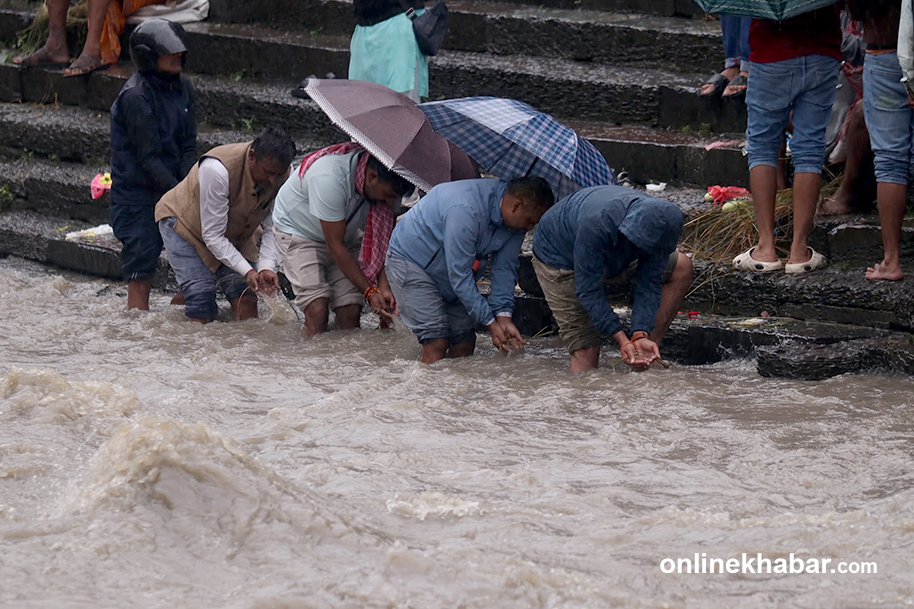
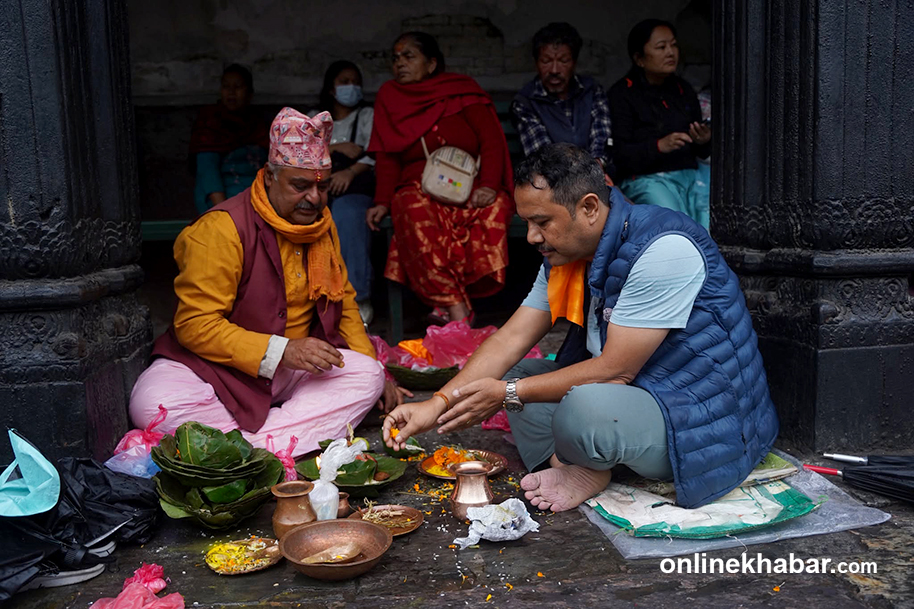
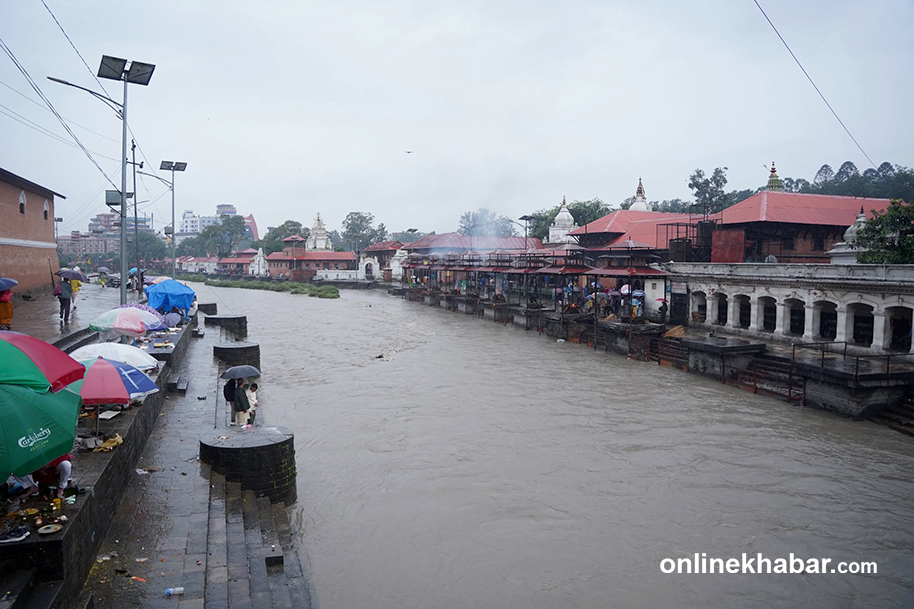
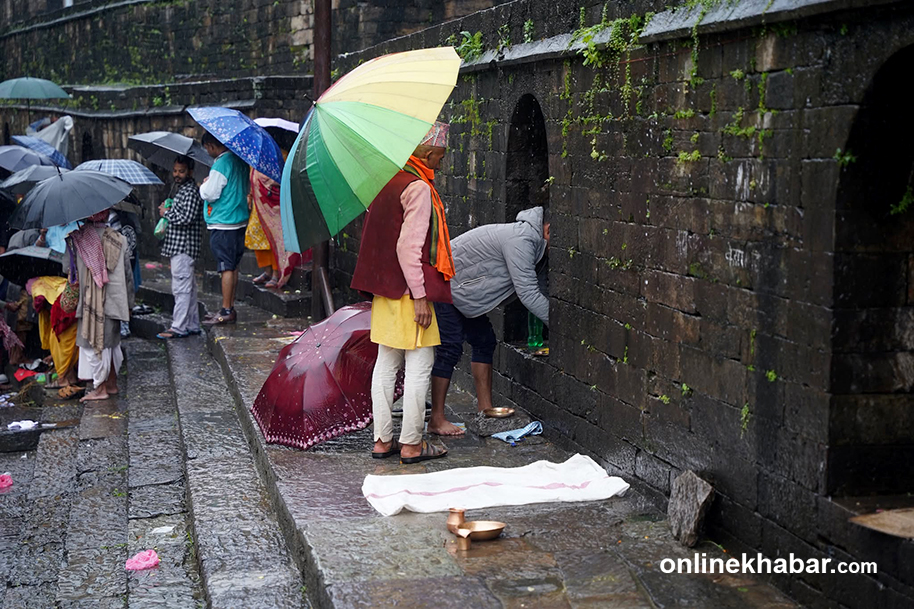
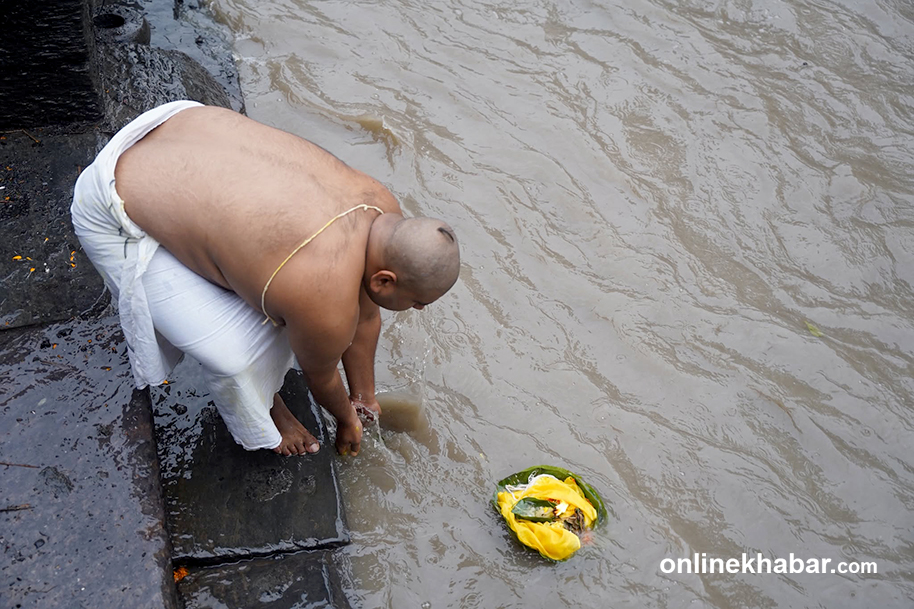
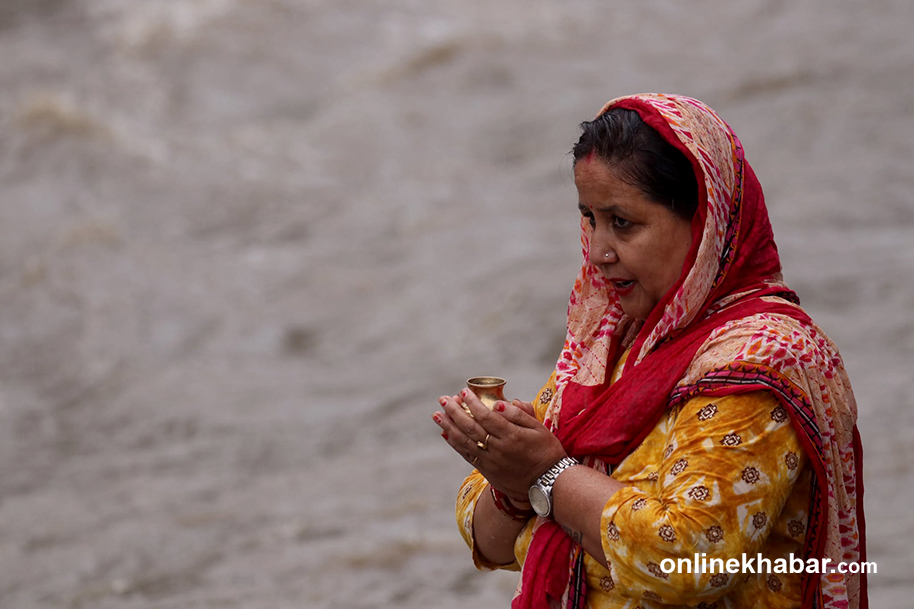
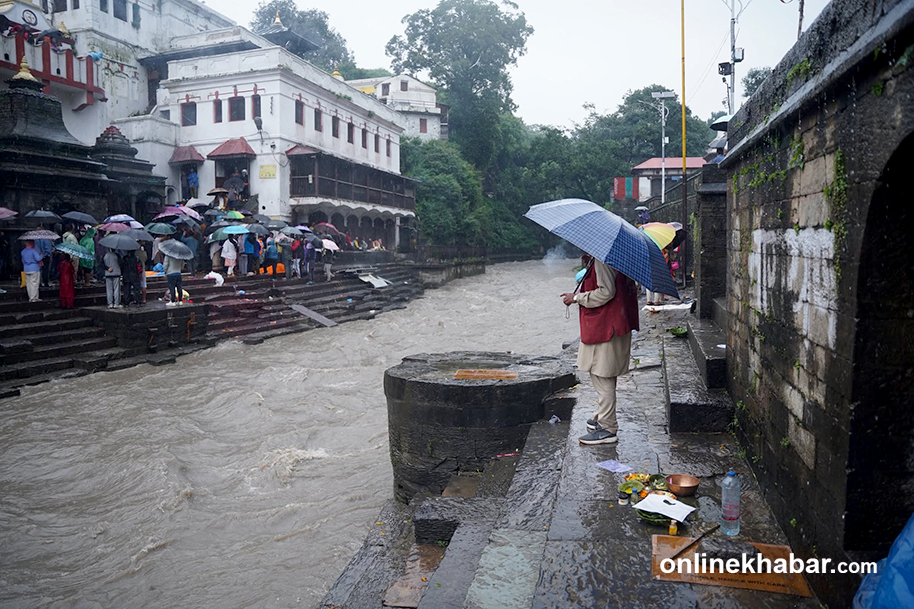
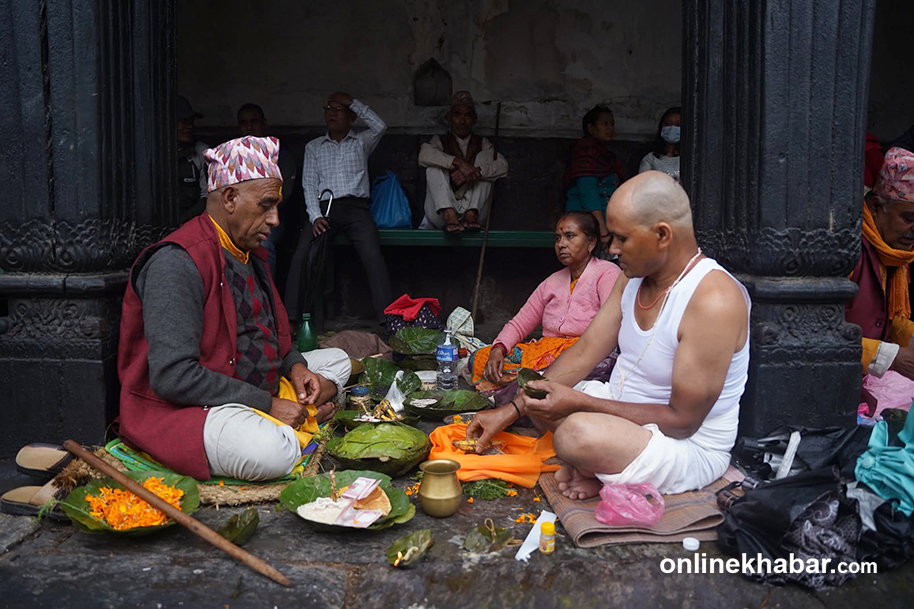
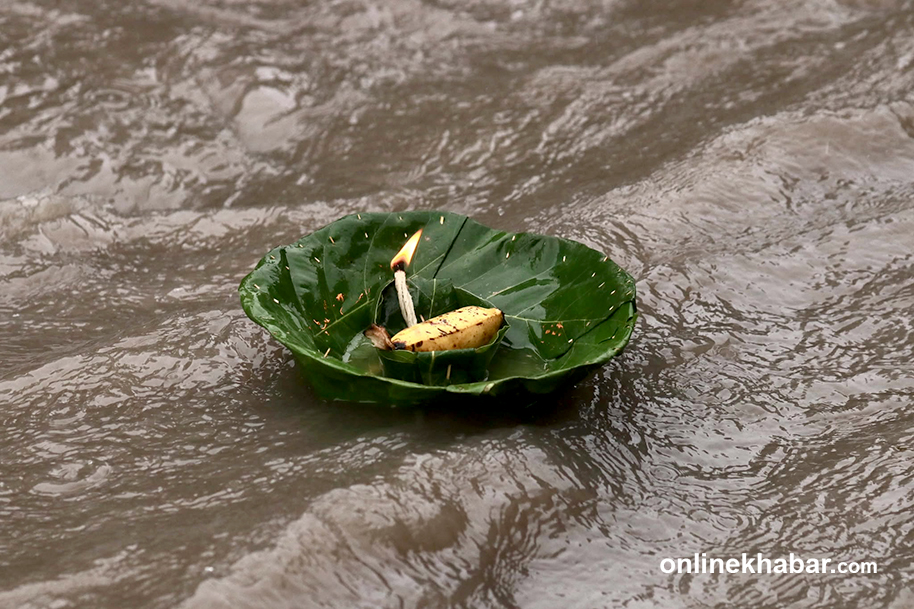
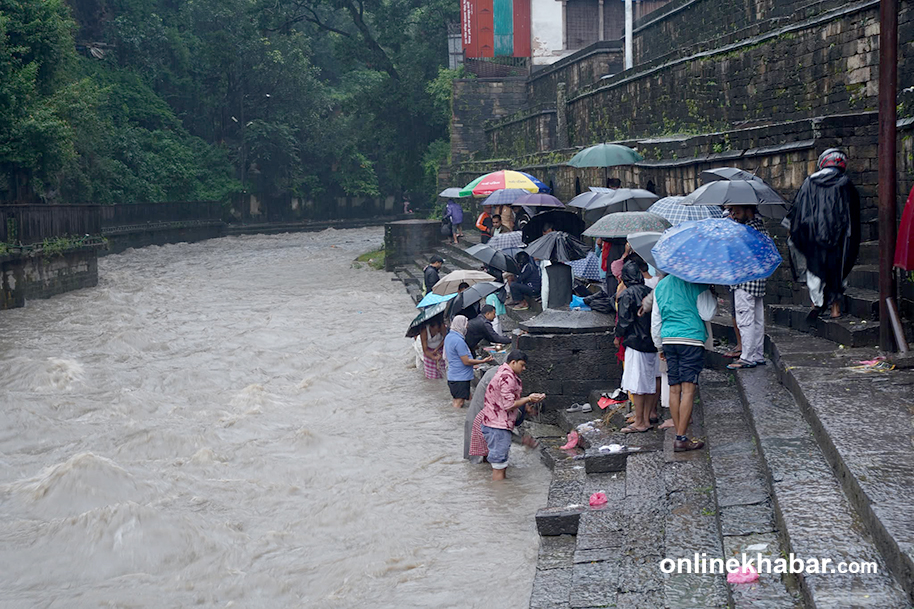
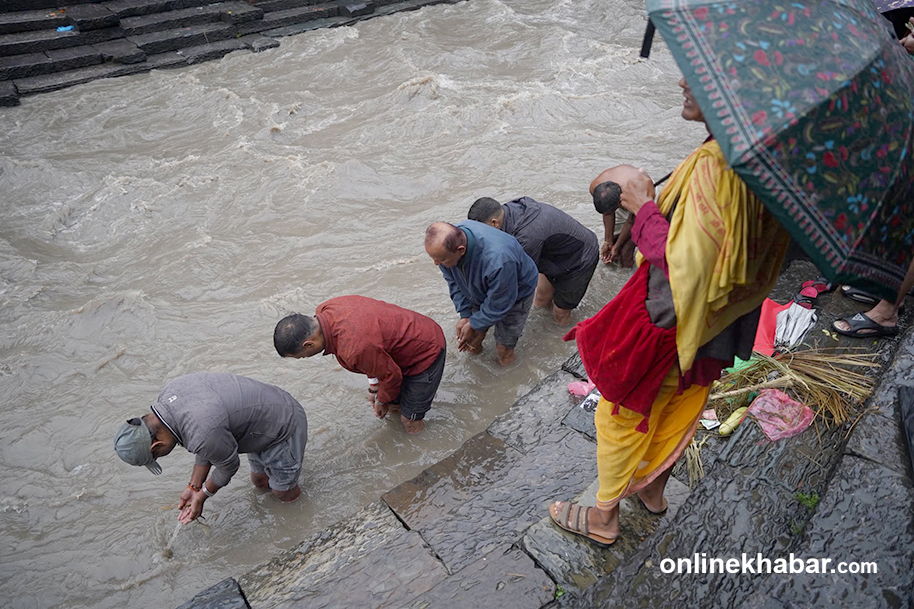
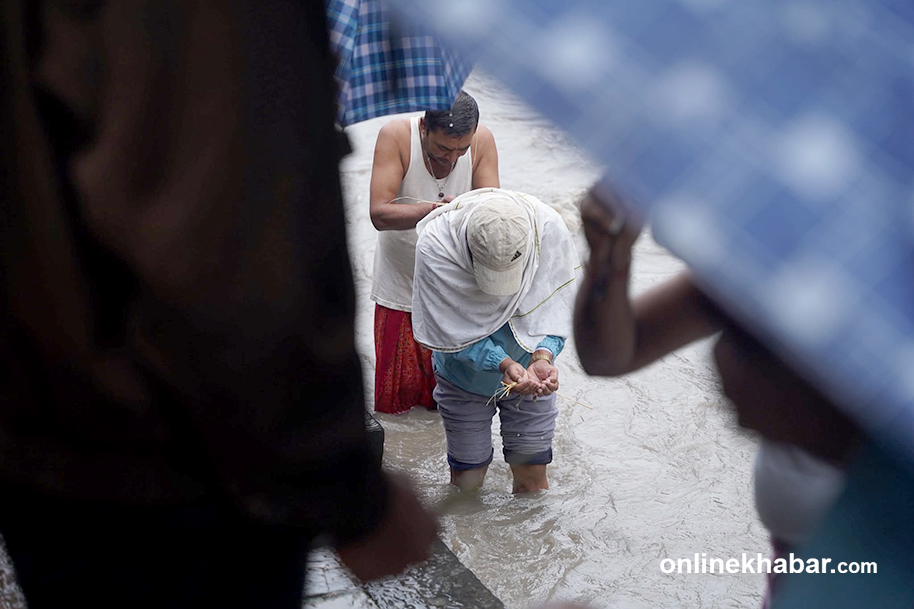
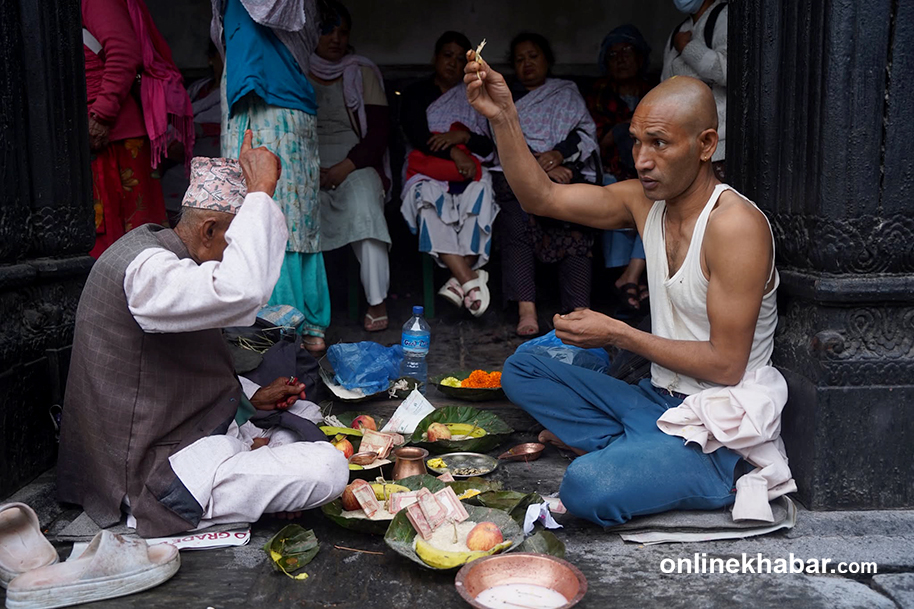
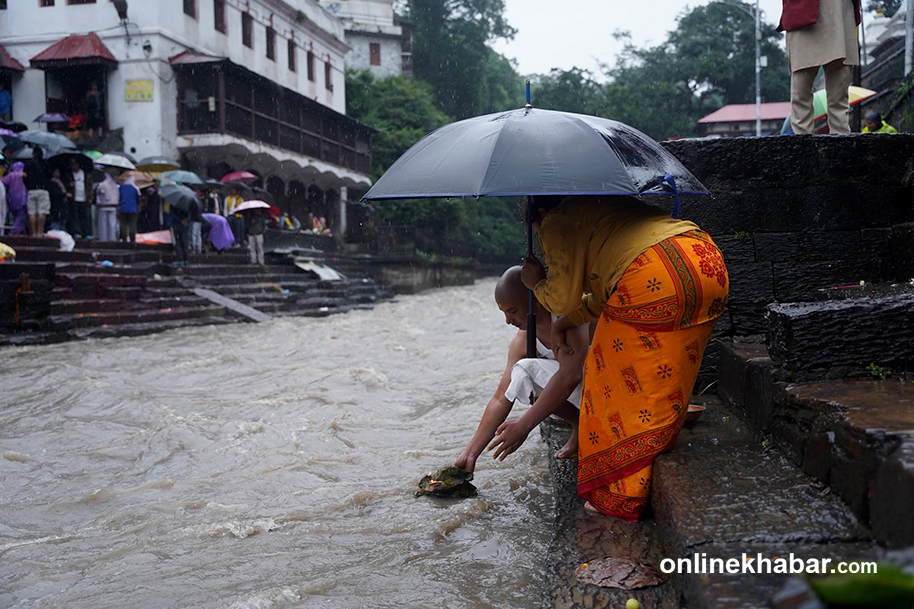
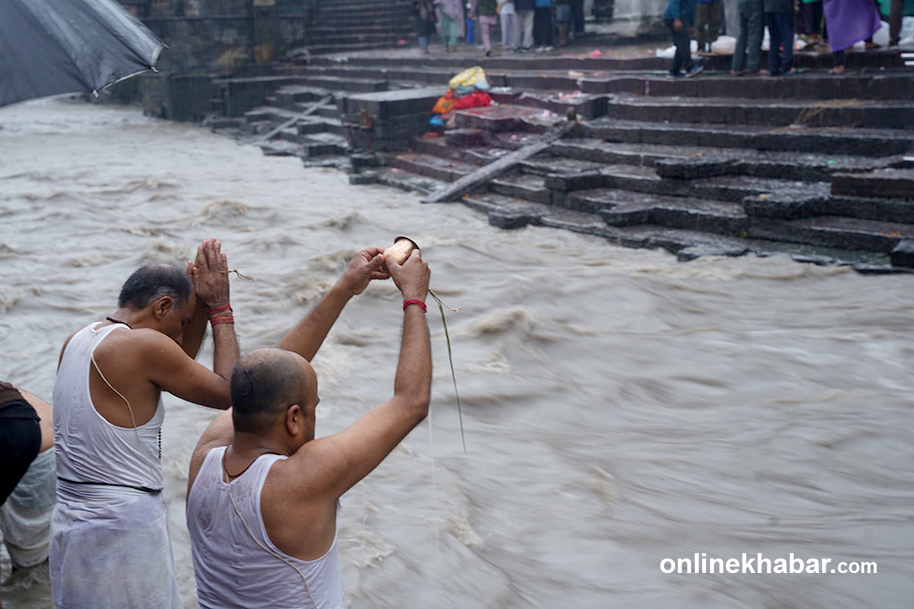
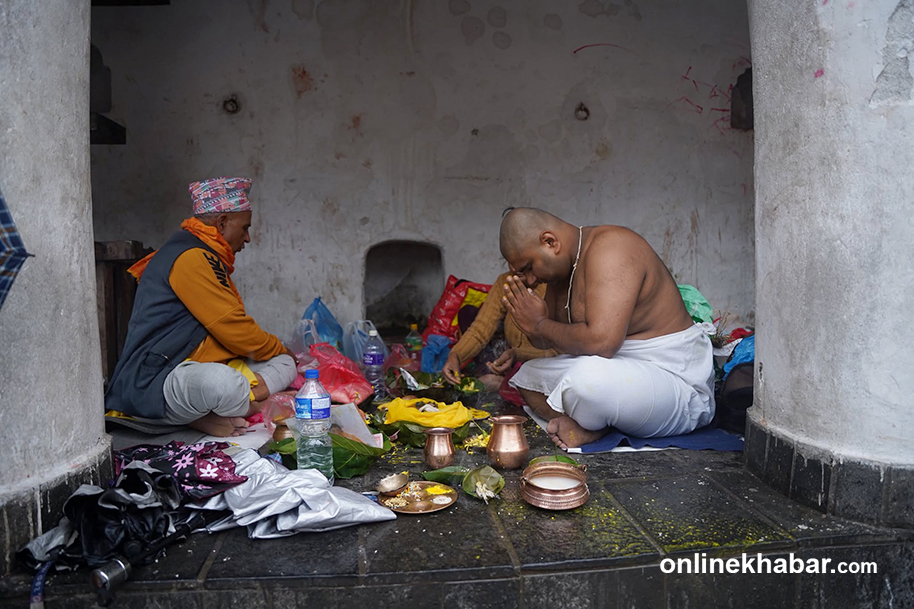
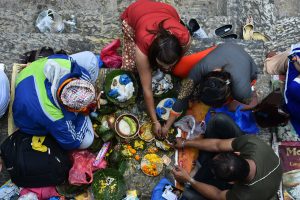
People whose lunar date fell today visited various Shiva temples, including the Pashupatinath Temple in Kathmandu, to make offerings and perform Shraddha. With the end of Pitri Paksha, Durga Paksha, or Bada Dashain, begins. According to religious scriptures, Sohra Shraddha is performed to satisfy the ancestors before celebrating Bada Dashain. It is a Vedic Sanatan tradition to perform rituals for the satisfaction of ancestors before celebrating major festivals.