Kathmandu, September 21
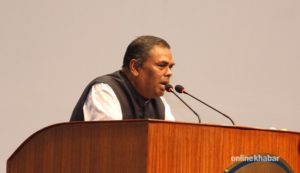
A bill to amend the Safe Motherhood and Reproductive Health Rights Act, 2075 BS has been registered in Parliament. Minister for Health and Food Hygiene Nisha Mehta has brought the bill.
According to her, maternity and reproductive health services must be made safe, quality, affordable and accessible to respect, protect and fulfil women’s constitutional right to safe motherhood and reproductive health.
The Safe Motherhood and Reproductive Health Rights Act, 2075 is currently in force to make the necessary provisions in this regard. However, the new bill has been brought because Nepal’s population growth rate has been steadily declining, according to the latest census, and the law needs to be amended to include provisions such as leave incentives to encourage population growth.
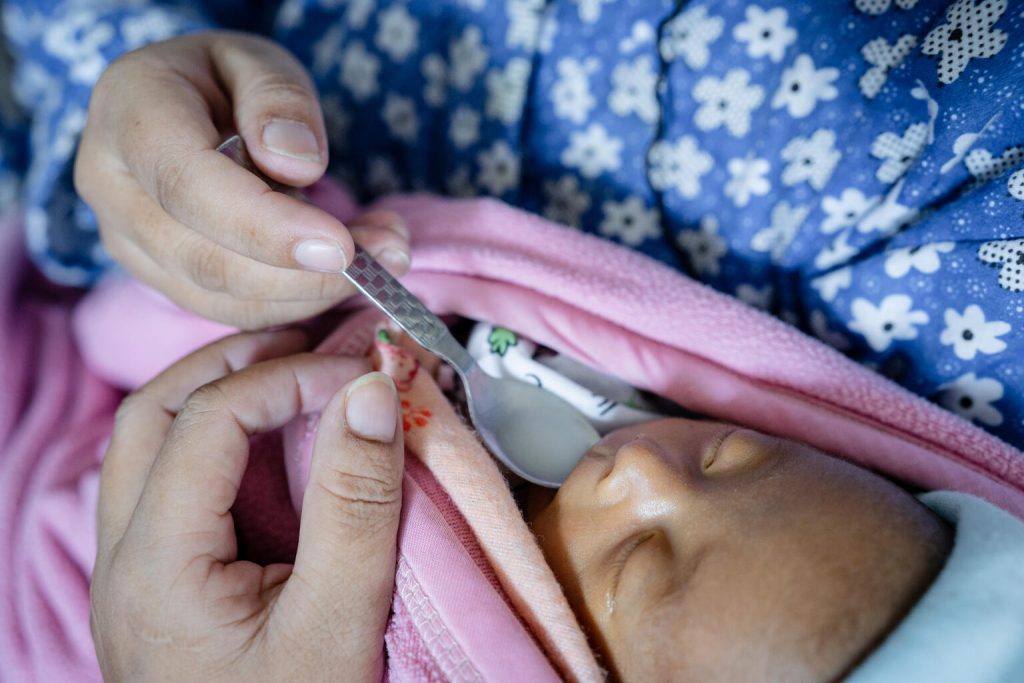
According to Mehta, the proposed bill covers matters including delivery services by trained birth attendants, a bar on refusing delivery services, and a ban on violence against women in the postpartum period.
The bill provides six months of paid maternity leave, before and after delivery combined, for women working in government, non-governmental or private bodies. It proposes 42 days of paid maternity care (paternity) leave for male employees when their wife gives birth.
It also revises the rules on abortion in special circumstances and on forced abortion, and makes the new provisions punishable offences.
Under the bill, violence during pregnancy and the postpartum period is prohibited. It adds a provision that no physical, mental or sexual violence may be committed against women from pregnancy through the postpartum period, and that anyone doing so will be liable to punishment.
The bill also bars services from being refused on grounds of money. It proposes that a hospital must provide services to a pregnant woman who reaches it even if she has no money.
Under the bill, no health institution may refuse to provide pregnancy or delivery services for financial or any other reason.
Babita Paswan, 30, of Parsahi in Rajbiraj-14 was forced to give birth on the roadside pavement in front of a hospital because she had no money. She gave birth on the pavement in front of Gajendra Narayan Singh Hospital in Rajbiraj.
The bill comes amid a debate over the Constitution and existing laws, sparked by a woman who gave birth on the street for lack of money.
Article 35 of the Constitution guarantees the right to health. It states: “Every citizen shall have the right to free basic health services from the State, and no one shall be deprived of emergency health services.”
Article 38 guarantees women’s rights. It states: “Every woman shall have the right to safe motherhood and reproductive health.”
The Safe Motherhood and Reproductive Health Rights Act, 2075 was enacted to implement this constitutional right.
Regulations were framed in 2077 to implement the Act, and the Mother and Newborn Safety Programme Guidelines, 2078 were brought in to implement the regulations.
The government allocates more than Rs 3 billion annually for the mother safety programme alone. Under the Constitution, the law, the regulations and the Mother and Newborn Safety Programme, no fees can be charged at government hospitals for delivery or for treatment of the mother and newborn.
In practice, however, women have not been able to exercise their right to safe motherhood and reproductive health because of financial hardship. The Ministry of Health and Food Hygiene said the bill has also been brought to address this.