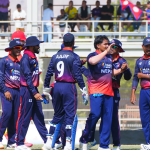


The Nepal Premier League (NPL) returns for its third season with bigger international names, growing commercial ambitions and new developments aimed at raising the standard of the competition. With players such as David Warner, David Miller, Andre Russell, Shakib Al Hasan and Jimmy Neesham set to feature, the tournament is bringing some of the world’s best-known cricketers to Nepal’s domestic franchise league. The latest edition also marks a step forward with International Cricket Council (ICC) sanction and the introduction of the Decision Review System (DRS).
For the Cricket Association of Nepal (CAN), however, the challenge extends beyond attracting international stars and staging a successful tournament. As interest in the NPL grows, questions around financial sustainability, infrastructure, investment and the wider development of Nepali cricket are becoming increasingly important. The league has generated substantial commercial activity, but sustaining that growth will require careful financial management and continued investment in the game at the district and provincial levels.
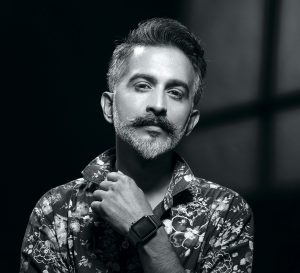
CAN Secretary and NPL Governing Council Coordinator Paras Khadka believes the league’s progress reflects the growing support Nepali cricket has earned over the years. The former national captain, who has moved from playing on the field to helping shape the sport’s future, sees the NPL as an opportunity to strengthen local franchise identities, expose Nepali players to international talent and create a more secure pathway for young cricketers.
In this conversation with Onlinekhabar, Khadka discusses the preparations for the third season, the significance of bringing international players to Nepal, the league’s growing financial footprint, the need for a larger cricket stadium and the importance of reinvesting cricket revenue in the sport. He also explains why, beyond the success of the NPL, Nepal’s long-term ambition remains earning full membership of the ICC.
With just one day remaining before the third season of the NPL begins, a press conference was also held today on the final preparations. What is going through your mind at this point regarding the NPL?
The final preparations are still underway. We are currently at the finishing stage. However, we have received support and cooperation from everyone. There is a lot of love for cricket and excitement surrounding it from all sides. The franchise owners have made significant investments to bring in major international players. The Cricket Association is also continuously working to make the tournament more organised. The NPL is a result of the love and support Nepali cricket has received. The tournament begins tomorrow, and we hope to make the third edition as successful as the previous two, which were completed on a grand scale.
By the third season, the NPL has received official ICC sanction and introduced DRS technology. These are things spectators will see directly. What other new or different features can they expect this season?
We have also made some changes to the infrastructure. One of the biggest differences is the participation of major international players. We will also have DRS, which will make the game more exciting by providing additional information, including ball-speed data. There has been some discussion surrounding DRS, and we have made efforts to integrate the technology properly.
However, managing the growth of the game and meeting people’s expectations is not easy. Along with the Cricket Association, we have been working with the media, sports media, organisations from different sectors and other stakeholders to make the necessary arrangements, from enabling people to watch matches at the ground to managing other aspects of the tournament. Ultimately, the most important thing for us right now is everyone’s support. Some things may not be as easy as people expect, but we are doing our best. We have officially communicated the details of the new technologies, including DRS. For me, the most exciting part is the quality of the players and the standard of cricket we are going to see.
You mentioned better players. We are talking about players such as Andre Russell, David Miller, David Warner, Shakib Al Hasan and Jimmy Neesham, whom we have mostly watched on television until now. They will be playing at the TU Cricket Ground in front of Nepali fans. Many of them are role models for cricket lovers here. This is a major achievement for Nepali cricket, isn’t it? How does it feel, first as a former captain and now as CAN secretary?
Every generation has contributed in its own way to bringing us to this stage. So, rather than focusing on whether I personally got to play against these players, the important thing is that Nepali cricket is winning. The game is growing, and that is what matters.
Since retiring, I have moved on from my playing career. What makes me happiest in my current role at the Cricket Association is seeing how dramatically the number of people supporting cricket has increased. The love and public support that Nepali cricket has earned are its real achievements.
We are gradually beginning to play against Test-playing nations. Teams from those countries are also coming here, and we are playing abroad. Although our national team has had relatively few opportunities to play against Test-playing nations, players from 10 of the world’s 12 Test-playing countries will be gathering at this very ground for the NPL.

How significant is this for Nepali cricket, and what does it mean for Nepali players and spectators?
We had to work very hard to reach this point. We first had to successfully complete the first two editions of the tournament to obtain the necessary sanction. After fulfilling all those requirements, we have now received the green light from the ICC. That is why we have these outstanding international players here today. Nepal itself has already participated in three World Cups, so we have competed against top players at the international level. But having such players come to our own franchise league, here in our backyard, adds another level of excitement to the game.
It has also increased people’s sense of ownership of the teams. People now identify themselves with their regions, saying, “I’m from Sudurpashchim,” “I’m from Karnali,” “I’m from Biratnagar,” or “I’m from Kathmandu,” and they have begun supporting their respective teams passionately.
When we hear things like that, we feel the tournament is also bringing together different provinces and regions of the country culturally. When we play for Nepal, we are all united as one nation. But this kind of local identity and ownership is equally important for the development of sport, and I believe the NPL is helping to build that.
We are extremely grateful that we have been able to bring such big-name players here. As the saying goes, the bigger the players, the bigger the league!
The NPL also involves substantial amounts of money. Franchises have spent crores of rupees signing players, while CAN is generating significant revenue from broadcasting rights, ticket sales and sponsorships. As Bharat Koirala mentioned earlier, the tournament is expected to generate around Rs 700–750 million in revenue, with total business reaching approximately Rs 1.5 billion when franchise spending is included. We have also seen turnover of around Rs 1 billion in each of the previous two seasons. What does this level of investment and commercial activity mean for Nepali sport?
This is only the beginning. Making the tournament financially sustainable is equally important. We should not get carried away by the excitement; we need to continue increasing its economic value. If we can secure good sponsorship deals and sell media rights effectively, the investments made by the franchises will also make greater financial sense.
I don’t think this is just about cricket. We have reached this stage because of the support and cooperation of the entire ecosystem surrounding the sport, every stakeholder and everyone associated with it. We hope to continue growing the tournament. Infrastructure has now become a particularly important issue. There is an urgent need for a well-equipped cricket stadium with a capacity of at least 25,000 spectators, because the existing facilities are struggling to meet demand, especially during the NPL. We may also need to explore taking the tournament to other locations and making it a more multi-venue event.
At present, the tournament’s economic sustainability is encouraging, but we need to maintain it. From the perspective of the sports sector, the financial impact represents a substantial amount of money for Nepali sport. However, I believe this is something that can grow much further. We should not become overly excited at this stage because our expenses are also considerable.
We must manage those expenses carefully. The money we collect is being reinvested in the development of cricket at the district and provincial levels, as well as in preparing the national team. In short, the money earned from cricket is being spent on the development of cricket itself.
Players from your generation, including international stars, will be playing alongside both established and emerging Nepali cricketers. If you were given a superpower and could perform one miracle, what would you choose? Would you want to return to the field and play again, or do something else?
I think what we have achieved already is more than enough! I am extremely grateful for the opportunity to be in this position, support Nepali cricket and help move it forward. My desire to play again ended on the day I retired. Now, rather than playing myself, the priority is to create the conditions in which children across the country can pick up a bat and ball, pursue cricket and build a secure future through the sport.
All of us at the Cricket Association are working wholeheartedly towards that goal. Our collective dream for the future is to obtain full membership of the ICC. Test cricket may have its own definition and requirements, but our efforts to make Nepal an ICC Full Member will continue. That will remain our ultimate goal for the years ahead.