Kathmandu, November 18
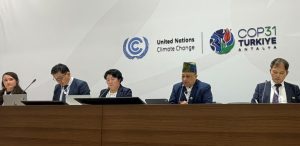
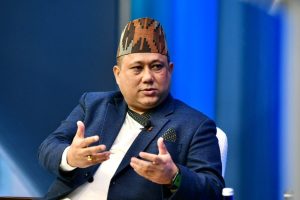
Young climate justice activists from Nepal have met representatives of Australia, the COP31 presidency country, to present the demands of Nepali communities affected by the climate crisis.
The meeting was coordinated by the People’s Movement for Climate Justice Nepal, according to a press statement from the group. The youth delegates urged that international commitments on climate finance, adaptation, and loss and damage be made fair, effective and community-centred.
Those attending from the Australian side included a representative of the Department of Climate Change, Energy and the Environment, an official who handles consultation and cooperation with observer organisations and multilateral stakeholder groups, and the lead negotiator on loss and damage.
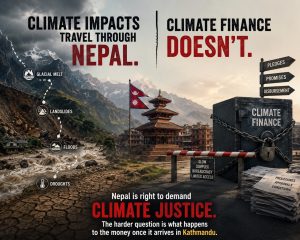
The Nepali delegates said climate negotiations should not be limited to diplomatic bargaining between countries. They said the rights, needs and futures of people living with the direct impacts of the crisis should be at the centre of decision-making. They also said structural reform of the international climate finance system is needed to end the injustice faced by countries such as Nepal, which have contributed little to the crisis but are highly exposed to climate-related disasters.
The activists presented specific positions on the COP31 negotiating documents, the Work Programme on Climate Finance, adaptation, mitigation, and loss and damage. They also drew attention to the guidance, grievance mechanism and reporting of the Fund for Responding to Loss and Damage, and to the need for affected communities to have direct access.
The delegates described an ongoing petition and campaign for grant-based climate finance to support the recovery and reconstruction of climate-affected communities in Nepal. They said it is unfair for countries with a low historical contribution to the crisis to take on more loans to rebuild after climate disasters. The petition is to be submitted to the UNFCCC, the World Bank, the Fund for Responding to Loss and Damage and the relevant bodies of the Nepal government.
Among their main demands, the youth called for adequate, needs-based funding for the loss and damage fund. They also sought grants rather than loans for climate-vulnerable countries, direct and easy access to finance for least developed countries and affected communities, and adaptation finance that is predictable and based on community priorities. They further asked for transparency, accountability and fair distribution in climate finance, and a grievance, guidance and reporting system for the loss and damage fund that works for affected communities.
According to the statement, the Australian representatives praised the Nepali youth for engaging the COP presidency directly. They described the effort as strategic engagement aimed at influencing negotiations, not merely symbolic representation. They said they would try to facilitate the demands in the negotiating process, and advised the youth to keep up dialogue and advocacy with other delegations, parties, observer groups and constituencies.
The Australian side also noted that Nepali youth and relevant agencies could seek technical support for post-disaster recovery and reconstruction through the Santiago Network, which aims to provide loss and damage technical assistance to climate-vulnerable developing countries.
The Nepali delegates said they see the Australian side’s commitment as positive and will continue advocacy to turn the demands into concrete decisions and action. They said climate finance is not charity but a matter of historical responsibility, climate justice and the rights of affected communities. They added that youth should have meaningful participation and leadership in policymaking and negotiations, and not only representation.
Pema Wangmo Lama, Bandana Pahari and Madhavi Pokhrel facilitated the meeting on behalf of the youth activists.