
Kathmandu, November 20
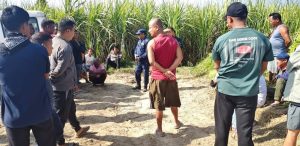
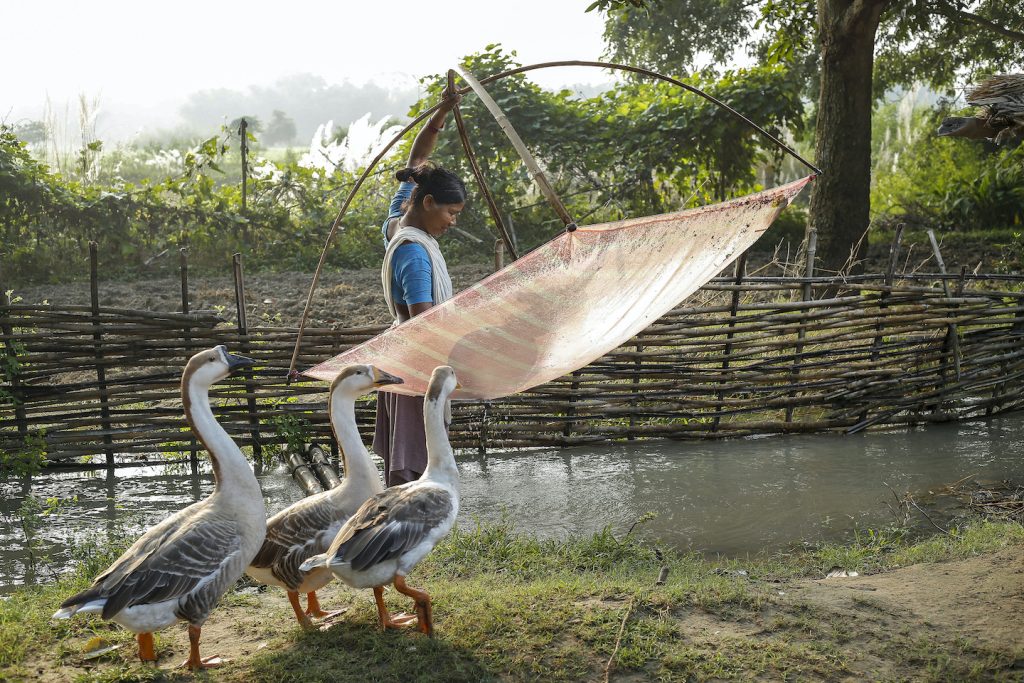
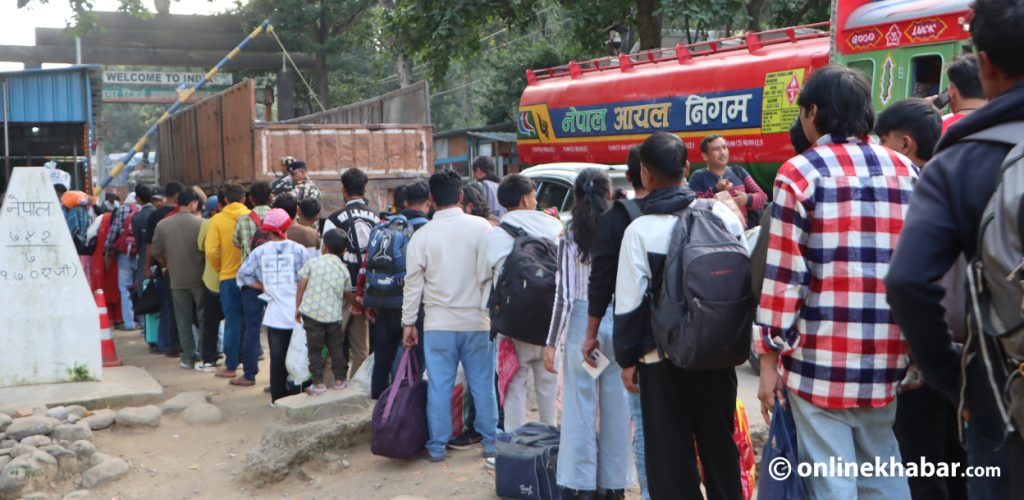
Thousands of Nepalis are crossing the Gauriphanta border point in Kailali every day to return to India for work after celebrating Dashain and Tihar with their families.
The number of people travelling across the border has surged as workers who came home for the festivals return to their workplaces in India. Many are leaving with mixed emotions — sadness at having to leave their families behind and hope that conditions in Nepal will improve.
On the eve of Prime Minister Balendra Shah’s visit to India, Nepali workers at the border said they hoped his talks with Indian Prime Minister Narendra Modi would address the everyday difficulties they face.
Ramesh Bista of Masuriya, Kailali, who drives vehicles in Bengaluru, was returning to India after spending a month with his family. He had come home after two years.
Bista urged the government to make cross-border travel easier and end the difficulties Nepalis face at the border.
“Please end the hardships at the border and make it easier for us to travel back and forth,” he said. “I hope our prime minister’s visit to India will go well.”
Lal Bahadur Gatti of Ward 5 of Aalital Rural Municipality in Dadeldhura was also heading to Bengaluru for work. Despite being educated, he said a lack of employment opportunities in his village had left him with little choice but to seek daily-wage work in India.
“It is painful to leave home. I am educated, but there are no jobs in my village, so I have to go to India for labour work,” he said. “We earn our living through hard work. I hope we will not face difficulties when travelling across the border, and that those involved in wrongdoing will be punished.”
Gatti said he was aware of Shah’s India visit and hoped agreements between the two countries would help reduce the need for Nepalis to seek employment abroad.
“We have expectations and confidence in a young prime minister. I hope agreements will be reached in the interests of Nepalis and that employment opportunities will be created here at home,” he said.
Pushpa Bohara, who has lived in India for many years, also sees the prime minister’s visit as an opportunity to advance the interests of ordinary Nepali citizens. She said discussions and agreements between the two prime ministers should make everyday life easier for people.
Hari Prasad Acharya of Chaumala, Kailali, who has been travelling between Nepal and India for the past 15 years, said bilateral relations should translate into practical benefits for citizens.
“I hope the two prime ministers will work to make travel between the countries easier and open up opportunities for development,” he said. “Young people should not have to leave the country in search of jobs. There should be an environment where they can work in Nepal.”
Acharya said Shah should also raise the difficulties Nepalis have faced at the border for years during his talks with Modi.
The expectations of people at Gauriphanta are rooted less in major political issues than in the challenges of everyday life. They want easier border crossings, respect for the labour and money they earn through hardship, and more employment opportunities at home.
For them, the prime minister’s India visit is not merely a diplomatic engagement between two countries. They hope the interests of millions of Nepali workers in India, smoother cross-border movement and job creation in Nepal will also feature prominently on the agenda.