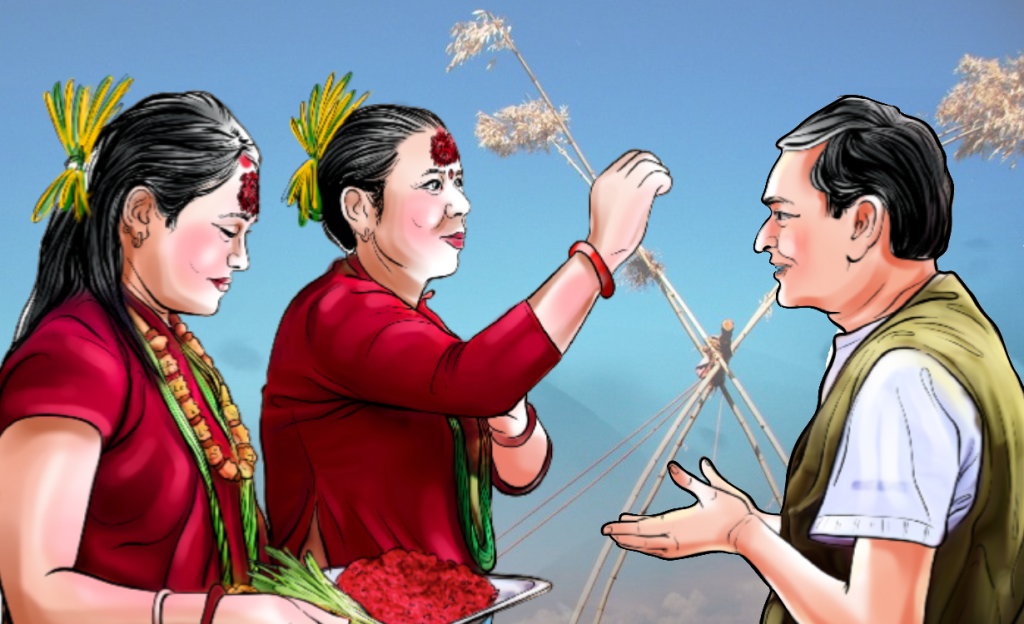


The photograph is familiar to almost every Nepali family.
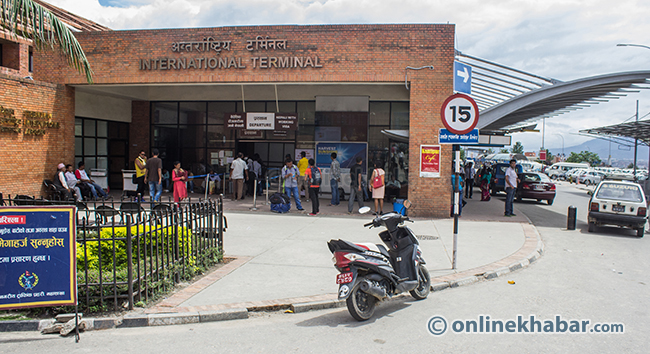
A young person stands at Tribhuvan International Airport, passport in hand, tika on the forehead and a khada around the neck. Parents press close. Siblings make room for one more picture. There are blessings, hurried instructions and tears that someone tries to hide.
Call when you land. Eat properly. Look after yourself.
Within hours, the photograph appears on Facebook. Congratulations arrive from relatives and friends. A new life in Australia has begun.
What happens after that photograph receives far less attention.
Where will this young person sleep? What happens if work does not materialise? Who will notice if they stop attending classes or answering calls? And will they feel able to tell their family that the life everyone is celebrating has become difficult?
As a Nepali-born immigration and family lawyer in Australia, I believe these questions belong at the centre of our migration conversation.
A successful visa application matters. So does the life a person can build after it.
The distance between a dream and a crisis
Bikram Lama came to Australia as an international student in 2013. His family sold land to help fund his education. Years later, he was sleeping rough in Sydney.
The Australian government-funded ABC reported that his body was found near St James station in December 2025, having gone unnoticed for more than a week. His family reportedly discovered only after his death that he had been homeless.
In July 2026, The Guardian reported that preparations were finally under way to return his body to Nepal after months of delay.
There is much we cannot know about Bikram’s private struggles. We should resist filling those gaps with assumptions about his decisions, his family or his mental health.
But we can ask what his story requires of us.
How do we make help accessible to someone who has become isolated? How do we support people who cannot easily explain what has happened to them? How do we ensure that a person who arrived with aspirations does not become invisible when those aspirations unravel?
Our community knows how to come together after a tragedy. The harder task is building support that reaches someone before the emergency becomes a headline.
A family’s investment can become a child’s silence
For a Nepali student, the cost of Australia may be measured in much more than tuition. It may be the land their parents sold, the loan a relative guaranteed or the savings intended for another child’s education.
That sacrifice can inspire extraordinary determination. It can also make an ordinary admission — “I am struggling” — feel almost impossible.
Imagine the conversation from the student’s side. The family has celebrated. Neighbours have congratulated the parents. Everyone asks about work, earnings and permanent residence.
How does the student explain that the rent is overdue?
This is a situation families should discuss before departure. It becomes harder when financial difficulty is treated as evidence that someone has not worked hard enough.
A budget needs room for delayed employment, unexpected expenses and a period of adjustment. A family’s expectations need the same flexibility.
The question should be asked plainly: if this plan becomes unaffordable, what will we do together?
That final word matters. A young person should not feel solely responsible for rescuing a decision the whole family helped make.
The first address matters as much as the admission letter
Accommodation often enters the conversation late. A friend knows someone. There is a room advertised in a Facebook group. Arrangements can be made after landing.
Yet safe, stable housing is fundamental to studying, working and staying well.
The warnings are longstanding. In Living Precariously, a 2019 report by Laurie Berg and Bassina Farbenblum, half of the 2,440 international students who answered housing questions reported at least one housing problem. Reported experiences included misleading offers, withheld bonds, overcrowding and unsafe conditions. Among Nepali respondents, one in five reported paying for accommodation that did not exist.
These were findings from that survey, not a current estimate for all Nepali students.
The implications are practical. Before money changes hands, students need help understanding what they are renting, from whom, on what terms and with what recourse if the arrangement goes wrong.
Education providers should make that assistance easy to find. Recruiting a student creates a relationship that should continue when that student needs help securing somewhere safe to live.
An Australian address is no guarantee of a safe marriage

As a family lawyer, I also believe we must examine the assumptions surrounding migration through marriage.
A prospective partner’s Australian citizenship, permanent residency or overseas income may reassure a family. Those facts reveal little about how that person will behave within a relationship.
In June, ABC’s 7.30 reported the account of a Nepali woman identified as Shree. She described pressure to marry, followed by abuse, isolation and restrictions on her independence in Australia. The report described her reliance on refuge accommodation while seeking security for her future.
Her account deserves attention without being used to stereotype arranged marriages or our community. The issue is whether a person has genuine choice, independence and support.
Before a marriage, families should ask about compatibility and expectations with the same seriousness they bring to questions about immigration status. After a disclosure of abuse, their first concern should be the person’s safety.
Advice to “adjust” can have serious consequences when the behaviour being described is intimidation or violence.
Immigration uncertainty can make leaving feel especially frightening. Here, legal accuracy matters: a spouse cannot personally cancel someone else’s visa. That power belongs to the minister or a delegated official. Family violence provisions may allow eligible applicants to continue towards permanent residence after a relationship ends, depending on their circumstances.
Someone facing threats about deportation needs independent advice. Their understanding of the law should never depend entirely on the person threatening them.
Preparing for Australia means preparing for daily life
Safety also extends beyond the home.
Sachet Bimali, a Nepali student undertaking a master’s degree in information technology at Macquarie University, drowned at Wattamolla Lagoon in January 2021.
In January 2019, SBS reported that Nepalis in Adelaide gathered to remember Nischal Ghimire, whose body was found at Glenelg after he went missing the previous December.
These deaths occurred in circumstances different from Bikram’s. They do not establish that financial or visa pressures caused these tragedies. They remind us that student preparation must encompass everyday safety.
We devote considerable attention to English tests, admission documents and visa applications. Water safety, emergency assistance, healthcare and knowing where to seek help deserve attention too.
A capable, well-educated person can still be unfamiliar with local risks. Practical orientation should continue beyond a welcome email and the first week of classes.
A pathway is a possibility, not a promise
The need for honest advice begins before anyone boards a plane.
On 9 September, ABC reported that Australia’s student visa refusal rate had reached a decade high. Drawing on Department of Home Affairs data, it reported that more than 51 percent of student visa applications from Nepal were refused in 2025–26. The department said applications were not assessed on nationality.
That figure cannot predict an individual decision. It should, however, make families cautious about anyone presenting an outcome as virtually assured.
Admission, a visa, graduate employment and permanent residence are separate stages. The word “pathway” can make them sound more continuous and predictable than they are.
As professionals, we must explain where uncertainty lies. What requirements can the applicant meet today? What depends on future employment, policy or personal circumstances? What happens if the preferred option becomes unavailable?
Families should receive those explanations before committing substantial sums of money.
Education also needs to have value beyond a migration outcome. Students should ask whether a qualification suits their abilities and would support a career in Australia, Nepal or elsewhere.
A course chosen solely for a predicted immigration advantage can become a costly commitment if that advantage disappears.
Care must continue when the success story becomes complicated
Responsibility is shared, but it is not vague.
Education providers should connect recruitment with housing assistance and accessible welfare services. Advisers should explain costs, limitations and alternatives in writing. Governments should address gaps in crisis support for temporary residents rather than leave frontline organisations to manage them without adequate resources.
Nepali community organisations can help through confidential mentoring and referral networks. Someone should be able to seek assistance without fearing that their circumstances will become community gossip.
Families have an equally important role.
During Dashain or Tihar, a cheerful video call may conceal a difficult week. Ask about meals, sleep, friendships and how life actually feels. Leave space for an answer longer than “Everything is fine.”
And make clear that returning to Nepal, changing direction or needing help will not erase the family’s pride in them.
For some people, returning is complicated by children, safety concerns or other circumstances. They need practical support and proper advice. For those who can return, coming home should remain a legitimate choice.
The promise we should make before departure
Australia can offer an excellent education, meaningful careers and lasting belonging. Nepali families are right to see opportunity there.
We can honour that ambition while preparing more carefully for uncertainty. We can celebrate a visa grant while asking about housing. We can value a marriage while defending a person’s right to safety. We can hope for permanent residence without making it the measure of someone’s worth.
Before the next farewell photograph at Tribhuvan International Airport, there is one more conversation worth having.
Tell the person leaving that they can speak honestly if life becomes difficult. That help will not depend on maintaining appearances. That a change of plans will not mean a loss of love.
The tika will fade and the khada will be folded away.
The assurance should remain: “Whatever happens, you can tell us.”