

Kathmandu, August 21
The government is set to make meat inspection mandatory across Nepal in phases from December, nearly three decades after the Animal Slaughterhouse and Meat Inspection Act, 1998 was enacted.
Under the first phase, the law will be enforced from November 17 in all local levels of Kathmandu, Lalitpur and Bhaktapur districts. It will be extended to metropolitan, sub-metropolitan and municipal areas outside the Kathmandu Valley from January 15, 2027 and to all remaining rural municipalities from July 17, 2027.
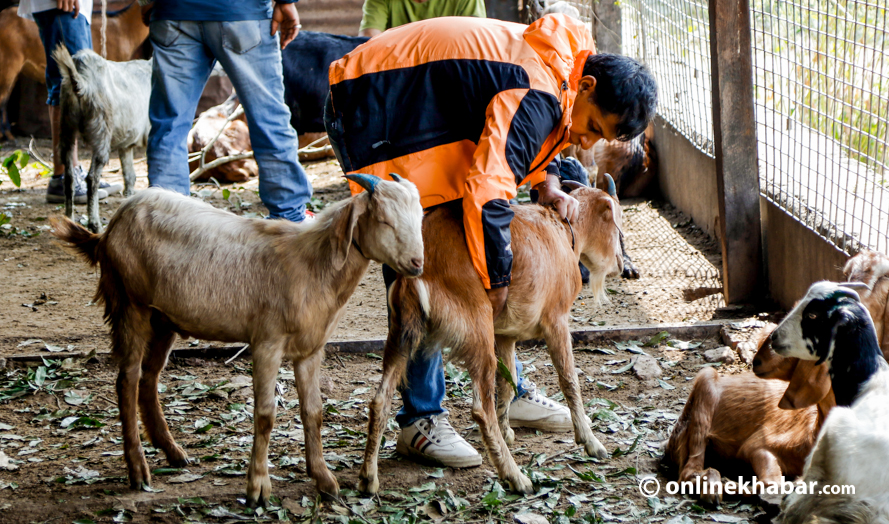
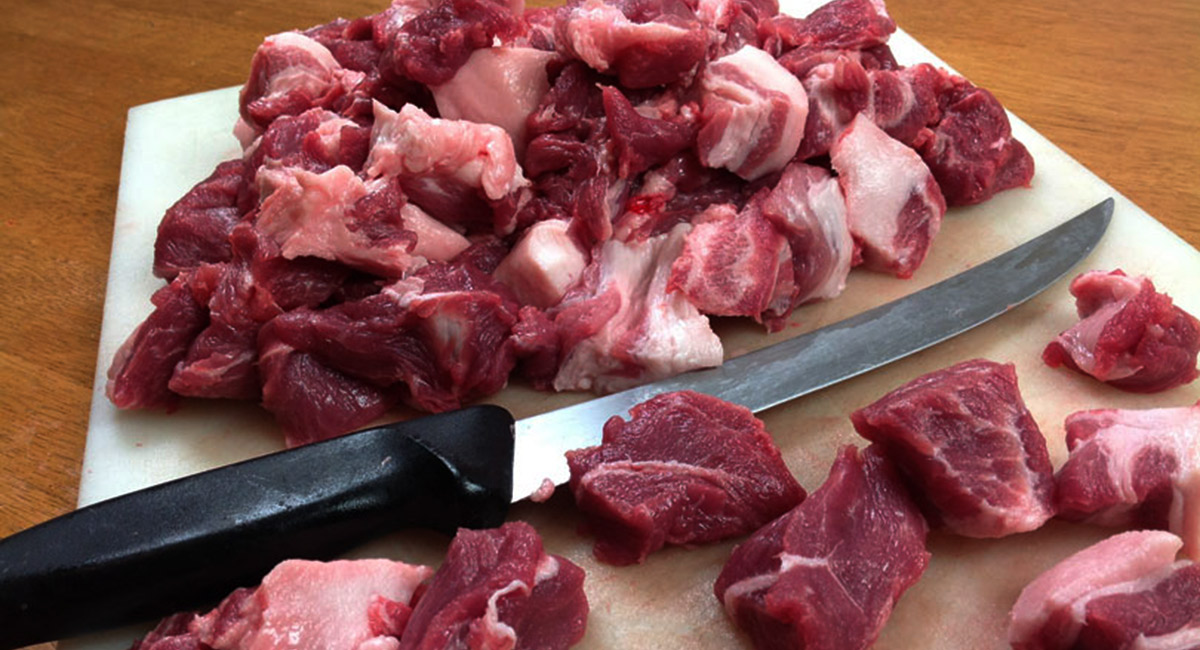
The law requires slaughterhouses and meat shops to obtain licenses, while animals must undergo health inspections before slaughter. Meat can be sold only after post-slaughter inspection and certification by meat inspectors.
The government also plans to tighten penalties through a proposed amendment, increasing fines for violations and expanding legal provisions to cover fish and raw, semi-processed and processed meat products.
However, inadequate slaughterhouse infrastructure poses a major challenge to implementation. Several slaughterhouses built with millions of rupees in investment are either closed or underused. A Rs 220 million facility in Butwal, capable of slaughtering 1,000 goats daily, has remained idle, while an Rs 110 million slaughterhouse in Dhading closed within five months of operation.
Officials insist the law will be enforced, saying more than 2,000 trained personnel are available for inspection. The Kathmandu Metropolitan City has also said it will strengthen monitoring and penalise violators.
Consumer rights activists and meat traders have welcomed the move but stressed that the government must facilitate investment in slaughterhouse infrastructure for effective implementation.