
Captaincy changes are nothing new in Nepali cricket.
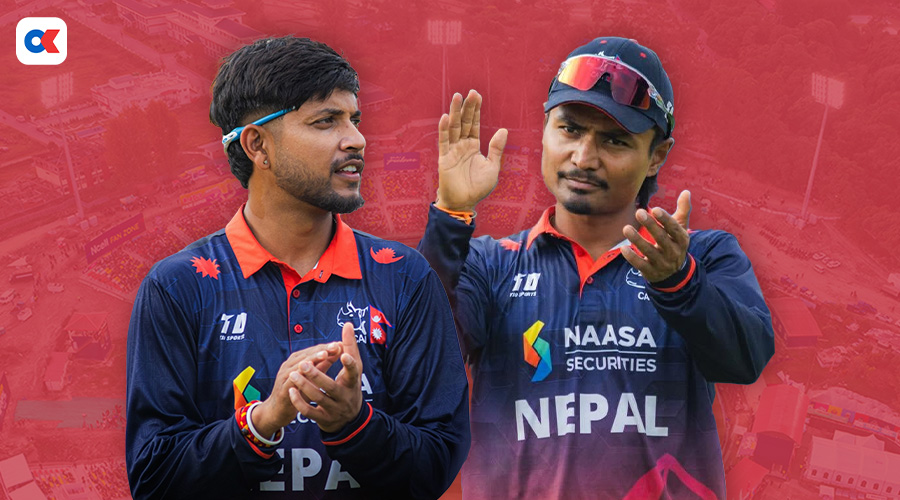
When a team fails to perform as expected, changing the captain is often seen as one way of bringing about improvement. The Cricket Association of Nepal (CAN) recently took that route, removing Rohit Paudel as Nepal’s ODI captain and handing the responsibility back to Sandeep Lamichhane.
Paudel had led Nepal for nearly four years, first taking charge of the T20I side and later the ODI team. His removal came after Nepal struggled for consistency in ODI cricket, particularly in overseas conditions during the World Cup League 2 campaign.
A new captain can bring a new mindset. Player roles can change, strategies can be adjusted and the team can approach matches differently. All of that can potentially translate into better results.
So, it would be difficult to call the captaincy change a wrong decision.
But given the state of Nepali cricket, a bigger question remains: Is changing the captain enough?
Nepal has been searching for consistency in ODI cricket for some time. The latest leadership change is expected to bring new energy and a different approach.
But if Nepal wants its results to change, it may need more than a change at the top. The team’s overall structure, preparation, selection process and player development will also need attention.
A history of changing captains
Nepal’s first national cricket captain was Uttam Karmacharya, who led the team when Nepal began playing international cricket in 1996.
After Karmacharya came a succession of captains including LB Chhetri, Ganesh Shahi, Pawan Agrawal, Paresh Lohani and Raju Khadka before the responsibility reached Binod Das.
Das captained Nepal from 2005 to 2008. From 2009 to 2019, Paras Khadka led the team through one of the most significant periods in Nepali cricket. Under Khadka, Nepal made major progress in international cricket and eventually secured ODI status.
After Khadka came Gyanendra Malla, followed by Sandeep Lamichhane. Rohit Paudel then took over at just 19 and led Nepal for around four years.
Now, the captaincy has returned to Lamichhane.
Nepal has gone through several captaincy changes over the years, but the latest one is notable because it has been directly linked to the team’s recent performance.
Paras Khadka stepped down voluntarily after almost 11 years as captain. Malla was removed by CAN as part of disciplinary action, while Lamichhane had to leave the captaincy amid legal problems.
Paudel’s case is different. His captaincy ended after a prolonged run of disappointing ODI results.
CAN cricket director Binod Das said the decision was made after assessing Nepal’s overall ODI performance.
“We have not been able to perform as expected in the ODI cycle. Overall, we have won only 11 matches. At home, we have won six of our last eight games. Apart from that, we have won only five of our other 24 matches. It shows that we have not been consistent in ODIs and that some changes were necessary. That result led CAN and the selection committee to take the decision,” Das had said.
What did Rohit achieve?
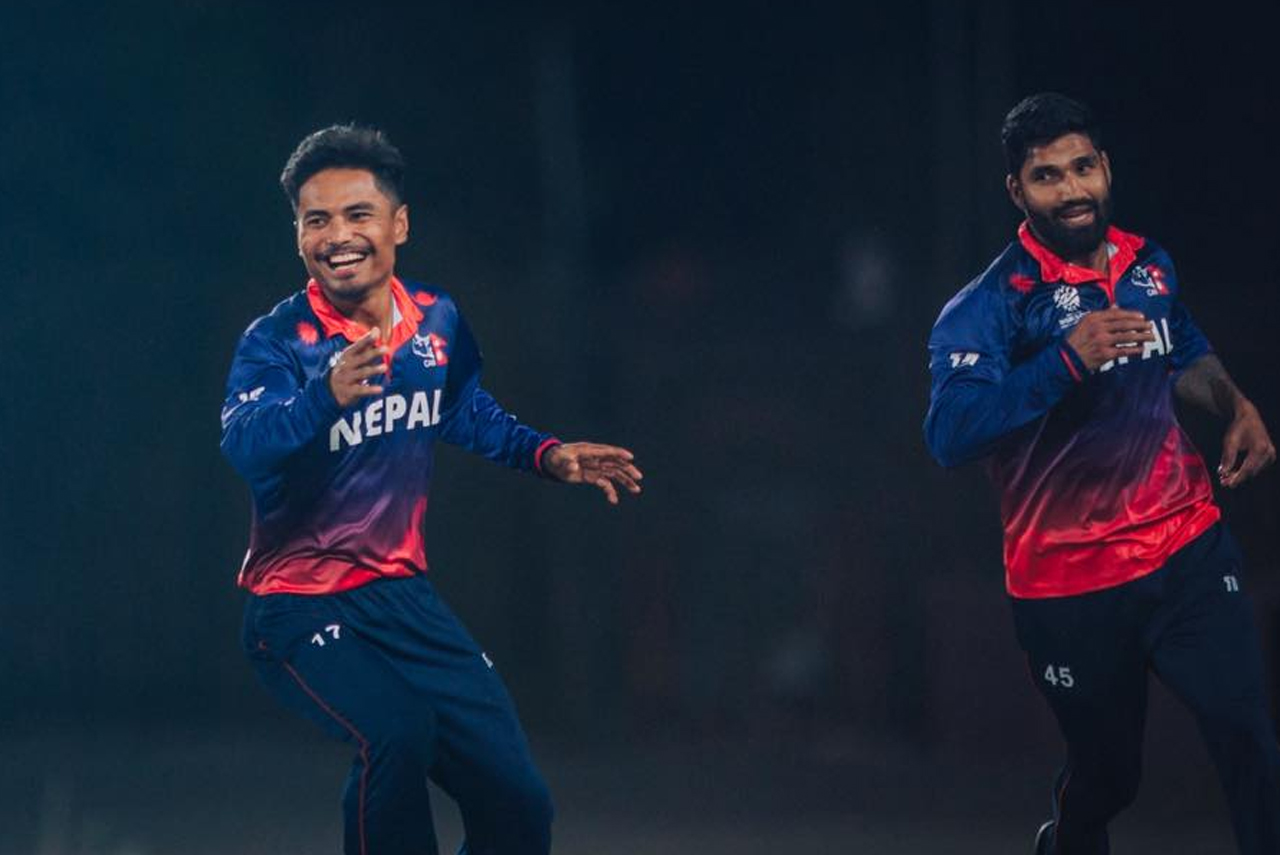
Paudel may have lost the captaincy, but his contribution to Nepali cricket cannot be overlooked.
Under his leadership, Nepal played 63 ODIs, winning 31 and losing 30, with two matches producing no result. In T20Is, Nepal played 59 matches under Paudel, winning 33 and losing 21. Three matches were tied and two ended without a result.
His individual record is even more significant.
Paudel is Nepal’s highest run-scorer in ODI cricket and became the first Nepali batter to reach 2,000 ODI runs. He also has two ODI centuries to his name.
His time as captain also included some of Nepal’s most important recent achievements. Under Paudel, Nepal won the 2023 ACC Premier Cup and qualified for the Asia Cup, where it played India and Pakistan in the ODI format.
That means Nepal has not simply changed its captain. It has changed the leadership of a player who has been one of the most important batters in the country’s ODI history.
Lamichhane, meanwhile, previously led Nepal in 14 ODIs. Under his captaincy, Nepal won four, lost nine and tied one.
The switch from Lamichhane to Paudel and now back to Lamichhane will certainly bring a different leadership style and tactical approach.
Whether it brings the stability Nepal needs remains to be seen.
A new captain, but the same challenges
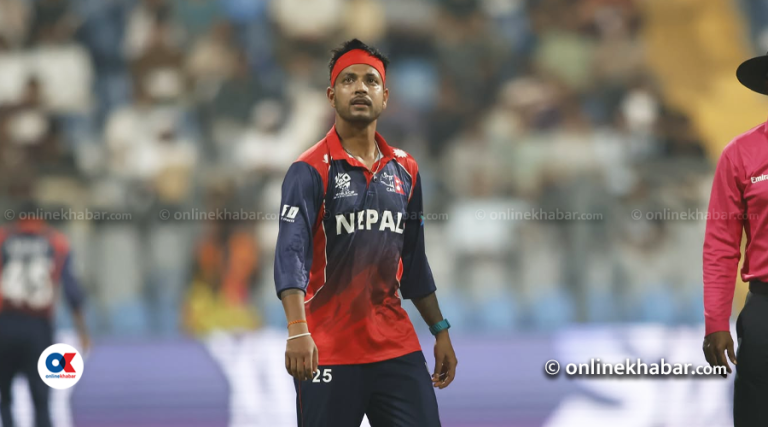
The biggest positive of a captaincy change is the opportunity to introduce new ideas.
Former Nepal captain Raju Khadka believes Lamichhane could bring a different approach to the team.
“Leadership is about how you take the team forward and what strategy you use. A new captain has a different way of thinking. There could be a new style of play and they could bring something new,” Khadka told Onlinekhabar.
But Khadka does not believe changing the captain alone will solve Nepal’s problems.
“Captaincy change is one aspect, but it may not be the only solution right now. Analysing the opposition and selecting the team are also very important. I feel Nepal is still struggling in those areas,” he said.
That points to a bigger problem within Nepali cricket.
The captain can make decisions on the field, but many of the factors that determine a team’s long-term performance are outside the captain’s control.
Nepal has struggled with questions around team management, selection and preparation. The lack of a stable support structure can also affect the team’s performance.
The national team needs players ready to step in when key members are unavailable. It needs a stronger domestic system, a clearer pathway through Nepal A and more regular high-level matches and preparation specifically for ODI cricket.
“We are now at a point where our ODI status could come under threat. Captaincy change may bring an immediate change in results, but for the long term, structural development is also essential,” Khadka said.
Too much T20, not enough ODI focus?
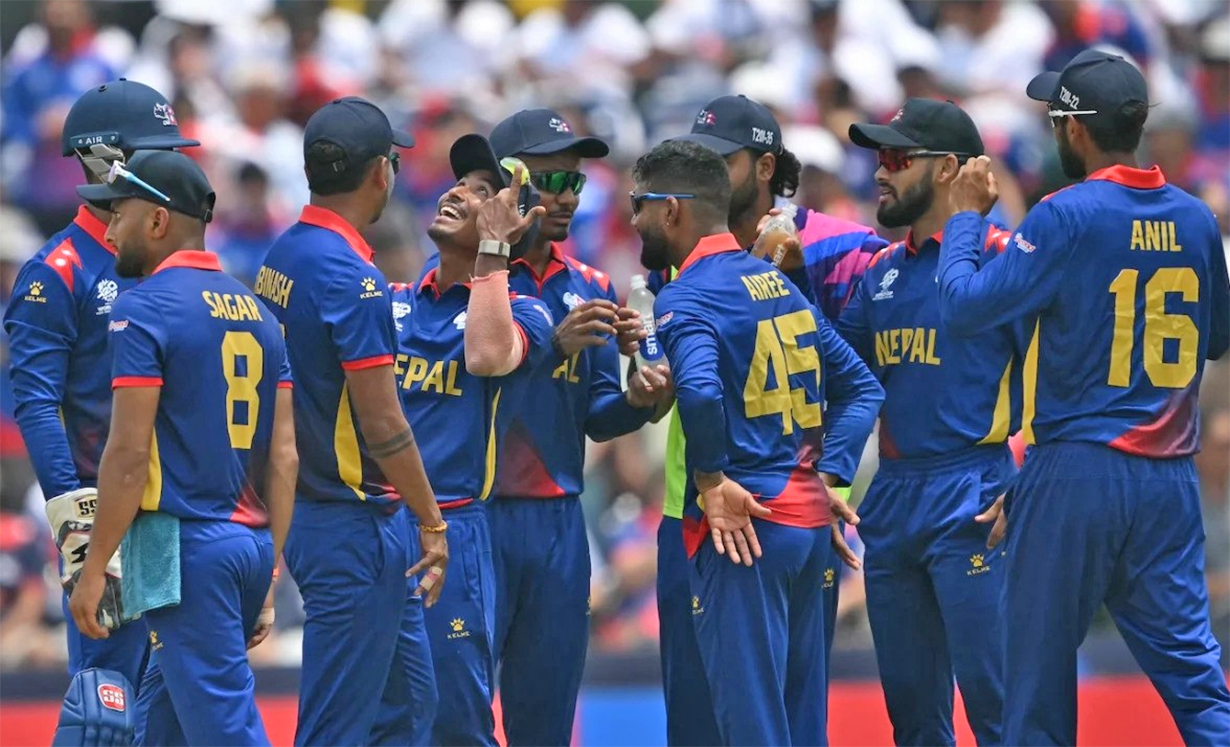
Another issue is the growing focus on T20 cricket.
Nepali players are increasingly involved in franchise and T20 competitions. While that experience can be valuable, Khadka believes it has also meant that ODI cricket has not received enough attention.
He argues that Nepal may need to develop almost separate squads for the two formats, with players specifically prepared for the demands of ODI cricket.
The two formats require different skills, workloads and approaches.
A captain can redefine player roles. The batting order can change, bowlers can be used differently and decision-making under pressure can take a different direction.
A new captain can also create a fresh competitive environment within the squad.
But that requires time.
Lamichhane should not be judged solely on the results of his first few matches. His ability to build a balanced team, establish clear roles and create depth will be more important in determining whether the change actually works.
Nepal also needs to reduce its dependence on a handful of key players. A poor performance from one player should not be enough to derail the entire team. That requires a stronger bench.
Is the problem bigger than the captain?
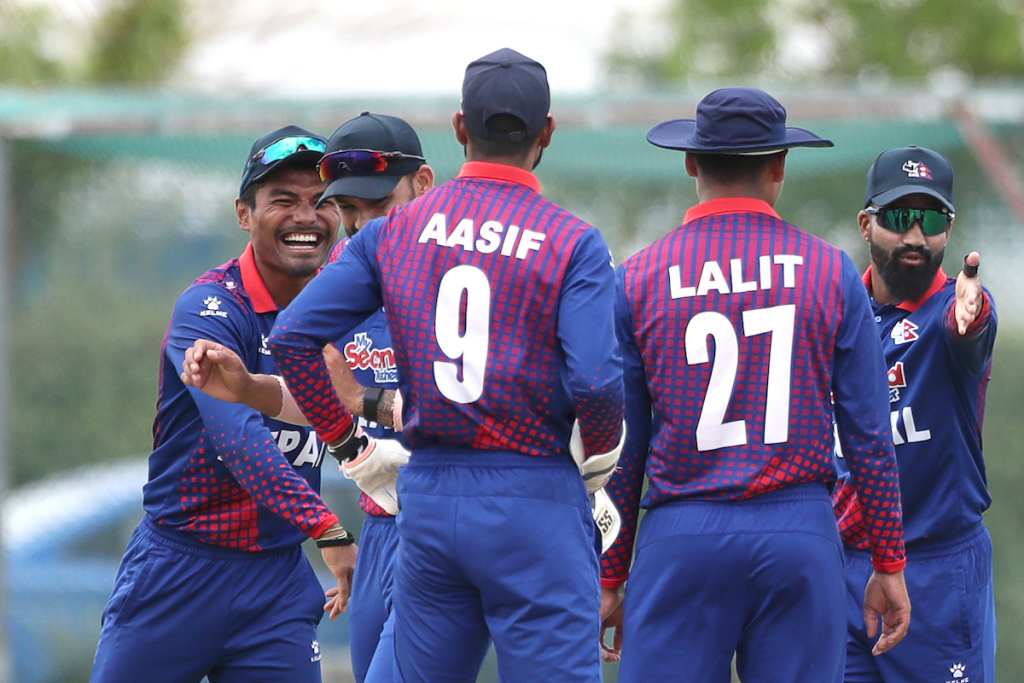
Nepal has changed its captain. Naturally, there will be expectations that Lamichhane will bring better results.
But if captaincy change is treated as the solution to all of Nepali cricket’s problems, the team could simply find itself starting another cycle of change.
A good captain can provide direction, develop strategies and give players confidence.
But a captain cannot produce better players, provide them with regular high-level competition, organise long-term preparation or build a strong talent pipeline alone.
That responsibility also lies with CAN.
Nepal therefore needs to look beyond the captain.
The selection system, coaching and support staff, team management, analysts and player development structures all need to function effectively.
The latest change should therefore be seen not as the end of a problem, but as the beginning of another attempt to fix it.
Lamichhane may bring a new way of thinking. A new strategy may produce new results. But turning those results into sustained progress will require changes both on and off the field.
The real question is no longer simply whether Nepal changed its captain. Has Nepal also changed the way it approaches its cricket?
Lamichhane’s first big test

For the new captain, the first challenge will not simply be winning matches.
It will be keeping the team moving in the same direction over a sustained period.
Managing player roles, giving opportunities to those waiting on the bench, handling the workload of key players and making the right decisions under pressure will all test Lamichhane’s leadership.
His first major test will be the ACC Premier Cup.
Under Paudel, Nepal won the Premier Cup and qualified for the Asia Cup, where it got the opportunity to play ODI cricket against teams such as India and Pakistan.
Lamichhane has already made it clear that winning the ACC Premier Cup is his target.
Now comes the harder part: turning a change in captaincy into a change in Nepal’s cricket.