
What if a simple infection could become life-threatening? What if the antibiotics needed to treat infections no longer worked? This is not a hypothetical future. It is a reality we are already beginning to face because of antimicrobial resistance (AMR).
AMR occurs when bacteria, viruses, fungi and parasites evolve and no longer respond to the medicines designed to treat them. As resistance grows, infections become increasingly difficult, and sometimes impossible, to treat.
In Nepal, the warning signs are already visible. National antimicrobial resistance data show worrying levels of resistance among common bacterial pathogens. Health workers are increasingly encountering infections that do not respond to medicines long considered reliable and effective. This places additional pressure on families and health systems, increasing treatment costs and prolonging illness.
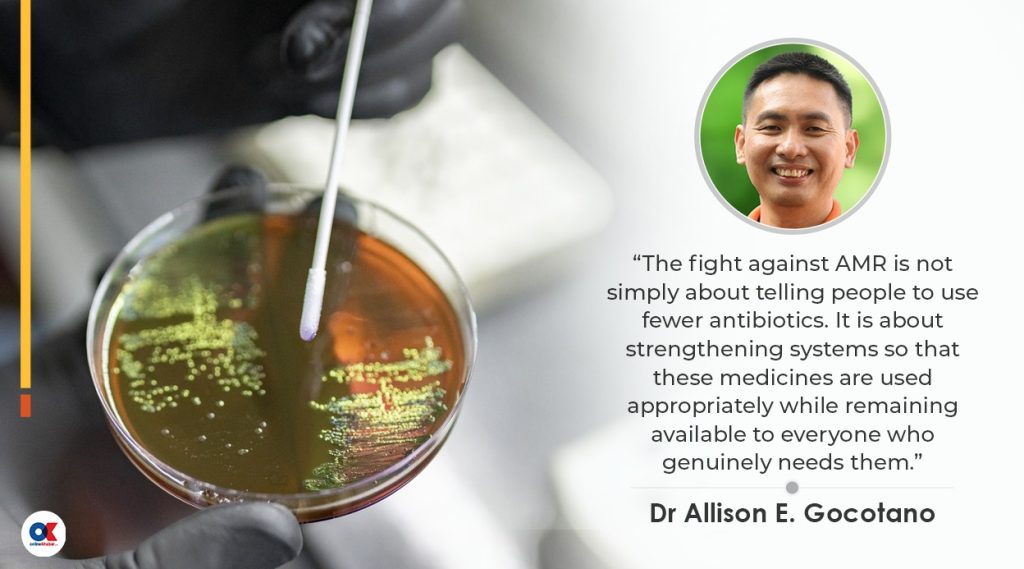
There is an important reality we must acknowledge. The fight against AMR is not simply about telling people to use fewer antibiotics.
A mother seeking treatment for her sick child, a farmer trying to protect livestock, or a patient purchasing medicine from a nearby pharmacy is not necessarily acting irresponsibly. Often, people make decisions based on the options available to them. When access to affordable medical advice, reliable diagnostics, veterinary support or quality health services is limited, inappropriate antimicrobial use becomes more likely.
This is why AMR is not just a medical issue. It is also a systems issue.
The solution is not to restrict access to life-saving medicines, but to ensure they are used appropriately while remaining available to everyone who genuinely needs them.
Good antimicrobial stewardship means prescribing the right medicine for the right patient, at the right dose and for the right duration. It also means strengthening health systems so that treatment decisions are guided by evidence rather than guesswork.
Preventing infections is key
However, treatment is only part of the answer. Perhaps the most effective way to address AMR is to reduce the need for antimicrobials in the first place. Every infection prevented is one less infection that requires treatment.
Vaccination, safe water, sanitation, hygiene, infection prevention and control in health facilities, improved animal health and biosecurity measures all help reduce the spread of disease and dependence on antimicrobial medicines. Safe medicine disposal and efforts to reduce environmental contamination are also important in slowing the spread of resistance.
This is why the One Health approach has become central to the global response to AMR.
Human, animal and environmental health are deeply interconnected. Resistant organisms do not respect the boundaries between hospitals, farms, communities or ecosystems. Actions taken in one sector can have consequences for all the others. Addressing AMR therefore requires coordinated efforts across these sectors.
Turning commitments into action
Recognising the scale of the challenge, countries, including Nepal, made commitments at the 2024 United Nations General Assembly High-Level Meeting on AMR to achieve targets by 2030. They also reaffirmed their determination through the updated Global Action Plan on AMR 2026–2036.
Nepal has demonstrated its commitment through its National Action Plan on Antimicrobial Resistance 2024–2028. The country has also been working to strengthen surveillance, enhance laboratory capacity, expand infection prevention and control, advance antimicrobial stewardship and promote multisectoral collaboration.
These are important achievements. But the real measure of success lies in the outcomes. It will be reflected in whether fewer people develop drug-resistant infections, whether health workers have the tools they need to prescribe medicines wisely, whether farmers can prevent disease without overrelying on antimicrobials, and whether families can access timely diagnosis and appropriate treatment.
The challenge is clear. We must move from policy to action.
World Antimicrobial Resistance Awareness Week offers an opportunity to renew our commitment to containing AMR. Efforts to address resistance must become part of everyday decision-making across health systems, farms, laboratories, communities and households.
The medicines we depend on today are among our most precious public goods. Protecting their effectiveness is a shared responsibility.
The choices we make now will help ensure that these life-saving medicines remain effective for future generations.