

Kathmandu, November 18
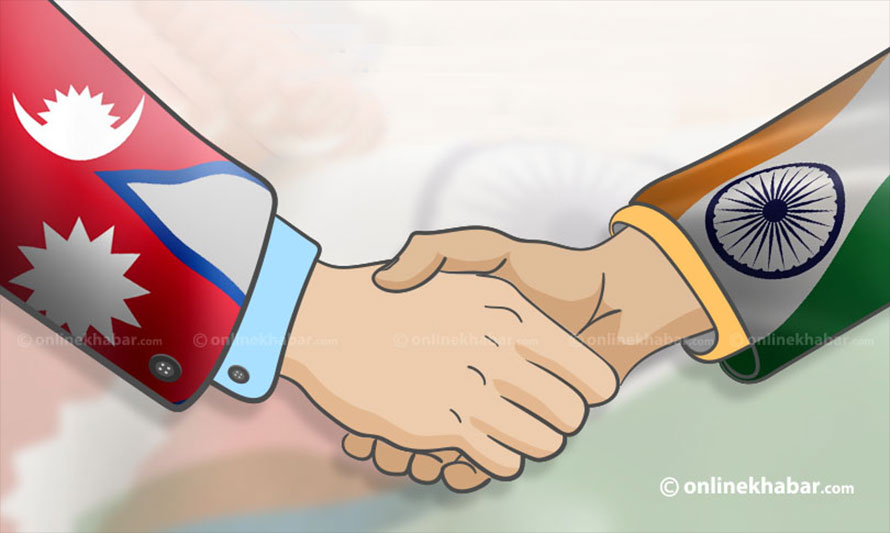
Nepal is preparing to raise its long-standing dissatisfaction with India’s refusal to purchase electricity from hydropower projects involving Chinese contractors, and seek approval to export power from such projects, including the 456MW Upper Tamakoshi Hydropower Project, during Prime Minister Balendra Shah’s upcoming visit to India.
Despite years of efforts to expand electricity exports, Nepal has been unable to secure access to the Indian market for power generated by several projects built with the involvement of Chinese contractors. India has treated the involvement of Chinese companies in these projects as an obstacle in its approval process.
China’s Sinohydro carried out the civil construction work for the Upper Tamakoshi project. However, Indian companies handled its hydromechanical, electromechanical and transmission line works. Despite this, India has not approved electricity exports from the project because of Sinohydro’s involvement.
Under the cross-border electricity import and export guidelines issued by India’s Central Electricity Authority in 2021, individual hydropower projects must obtain separate approval to sell electricity in the Indian market.
The guidelines state that India will not purchase electricity from projects in neighbouring third countries that do not have an energy cooperation agreement with India if those projects have direct or indirect investment from, or are controlled by, a third country.
This provision effectively restricts electricity imports from projects involving Chinese investment or control, as India and China do not have an energy cooperation agreement.
However, the guidelines do not explicitly prohibit the purchase of electricity from projects merely because Chinese contractors were involved in their construction. Despite this distinction, India’s regulatory authorities have yet to approve electricity exports from any Nepali hydropower project built by Chinese contractors.
Nepal has maintained that foreign investment and construction contracts are two different matters and that the involvement of Chinese contractors alone should not prevent Nepali projects from accessing the Indian electricity market.
Former vice-chairperson of the National Planning Commission Dr Govinda Raj Pokharel said India’s refusal to purchase electricity from projects involving Chinese contractors was unfair to Nepal.
“India is not purchasing electricity generated by projects with Chinese investment as well as those built by Chinese contractors. At the same time, reports suggest that India itself is considering allowing Chinese investment in its solar energy sector,” he said.
“At a time when India is welcoming Chinese investment itself, the prime minister should make efforts to facilitate the import of electricity produced in Nepal,” he added.
Nepal has previously sought Indian approval to export electricity from several projects, including Upper Tamakoshi, Upper Bhotekoshi, Marsyangdi, Kaligandaki A and Middle Marsyangdi. However, approval for Upper Tamakoshi remains unresolved.
India’s Central Electricity Regulatory Commission has so far allowed Nepal to export around 1,200MW of electricity to the Indian market. The two countries have also signed a long-term agreement under which Nepal can export up to 10,000MW to India over 10 years.
Electricity trade and transmission infrastructure on agenda

During Prime Minister Shah’s visit, the Nepal Electricity Authority (NEA) has proposed several issues related to electricity trade, cross-border transmission infrastructure, power imports and exports, and reconstruction of hydropower projects damaged by floods.
Among the key proposals is permission to use India’s transmission grid to export an additional 20MW of electricity to Bangladesh. Nepal currently exports 40MW to Bangladesh through the Indian grid, but plans to increase the volume have been stalled due to the lack of necessary approval from India.
The NEA has also prioritised the renewal of existing power import agreements with India and the construction of new transmission lines.
To facilitate electricity trade between the two countries, Nepal has proposed an interim arrangement at India’s Gorakhpur substation. The NEA has already agreed to bear the entire cost of the arrangement, estimated at 37 million Indian rupees.
Nepal is expected to request India to direct the state-owned Power Grid Corporation of India to complete the work by November 2026, as agreed. The NEA has also sought early approval from Uttar Pradesh Power Transmission Corporation, the transmission system operator in the state.
Another issue on the agenda is the approval of an application submitted through India’s National Single Window System on June 26 for foreign direct investment.
The authority has also proposed accelerating the development of additional 400kV cross-border transmission lines.
Under this plan, Nepal will ask India to expedite the completion of the Sitamarhi substation being built by Indian company SJVN. This would allow additional electricity trade through the Dhalkebar-Sitamarhi transmission line.
The NEA also plans to seek progress on the proposed Nijgadh-Motihari and Lamahi-Lucknow 400kV cross-border transmission lines, whose detailed project reports have already been approved.
Nepal seeks easier electricity imports during winter
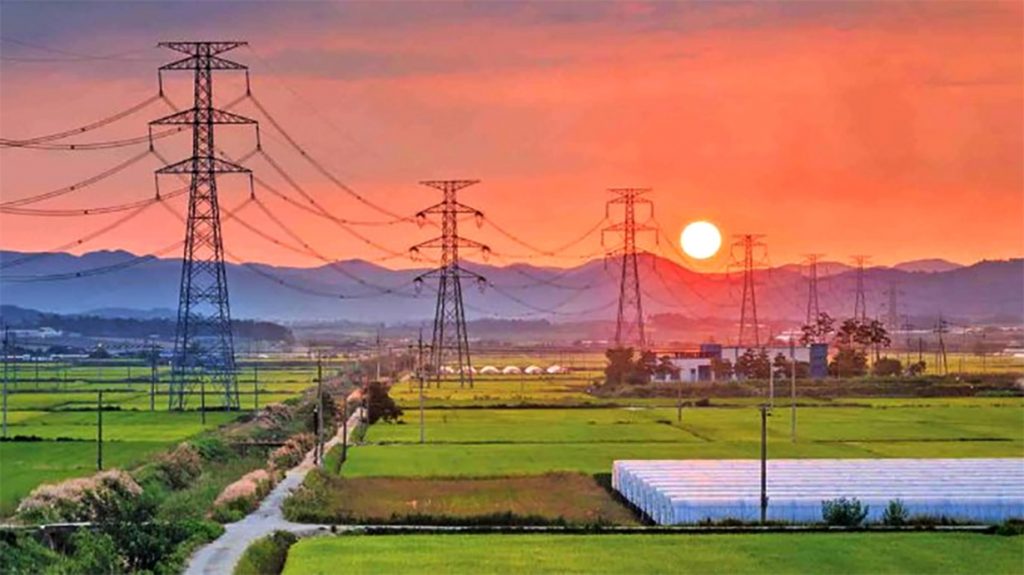
Nepal will also ask India to facilitate regular electricity imports, particularly during the winter months when domestic generation declines and demand rises.
The NEA has proposed renewing the agreement for importing 270MW of electricity from Bihar and Uttar Pradesh through Power Trading Corporation.
It has also sought arrangements to import electricity more easily from India’s Energy Exchange through the 400kV Dhalkebar-Muzaffarpur transmission line during peak winter demand.
Floods in the Trishuli and Devighat areas on August 26 (Bhadra 10) damaged hydropower generation infrastructure, raising concerns about a possible energy shortage in the coming dry season. The NEA has therefore proposed seeking an agreement to import an additional 150MW from India.
The reconstruction of hydropower projects damaged by the floods is another issue Nepal plans to raise. The authority has proposed seeking technical and other assistance from the Indian government to rebuild the Trishuli and Devighat hydropower plants, which were damaged by flooding in the Bhotekoshi-Trishuli river system.
Nepal will also brief the Indian side on progress at the 40MW Rahughat Hydropower Project, which is being built with Indian assistance.
According to the NEA, physical progress at the project has reached 99 per cent. Commissioning of both units has been completed, and the project is currently undergoing final trial runs ahead of commercial operation.
The NEA’s proposals aim to expand electricity trade between Nepal and India, accelerate cross-border transmission infrastructure development and address potential energy shortages during the coming winter.
Sources at the authority said the proposals would be finalised in coordination with the Ministry of Energy and the Ministry of Foreign Affairs.