Kathmandu, November 3
The three-day Api Himal Tourism Festival 2083 began today with the aim of promoting tourism in the Api Himal region of Darchula.
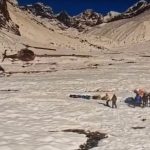
The festival is being held at Pilkand in the Api Himal Base Camp area of Api Himal Rural Municipality-1. Through the event, the rural municipality aims to promote the region’s natural beauty, religious heritage and cultural assets at national and international levels.
Major tourist attractions in the area include Api Himal, Kalidhunga, Richharde and Bayeli lakes, Dharmi Cave, Markandeya Cave, the source of the Chameliya River and vast alpine meadows. The rural municipality said the festival was organised to develop the region, which is rich in natural, religious and cultural heritage, as a tourism destination and increase local income and employment opportunities.
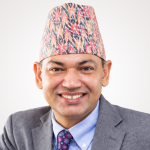
Rural Municipality Chairperson Bhakt Singh Thekare Bohara said the festival was not limited to entertainment and cultural programmes but was also an initiative to introduce Api Himal to the outside world.
He said the rural municipality aimed to strengthen the local economy through tourism development and create employment opportunities for young people in their own communities.
The three-day festival features cultural processions, literary programmes, performances by national and local artists, friendly cricket and volleyball competitions, yoga, meditation and discussions on climate change.
Arrangements for accommodation, information, healthcare and security have been prioritised for visitors. The festival is also expected to provide an opportunity to expand markets for local products. Local entrepreneurs and business owners expect increased tourist arrivals to benefit homestays, hotels, agricultural products, handicrafts and cottage industries.
The rural municipality has set a target of welcoming 10,000 tourists in the current fiscal year. The target aims to double the number of visitors, based on records showing that more than 5,000 tourists visited the area annually in previous years.
However, the challenge for the rural municipality is to maintain infrastructure, accommodation, information and security services throughout the year to attract visitors. Increasing tourist arrivals during the three-day festival alone will not be enough to achieve the expected results.