


London, November 3
The UK government has announced long-awaited changes to the rules governing permanent residency, doubling the standard qualifying period for indefinite leave to remain (ILR) from five to 10 years.
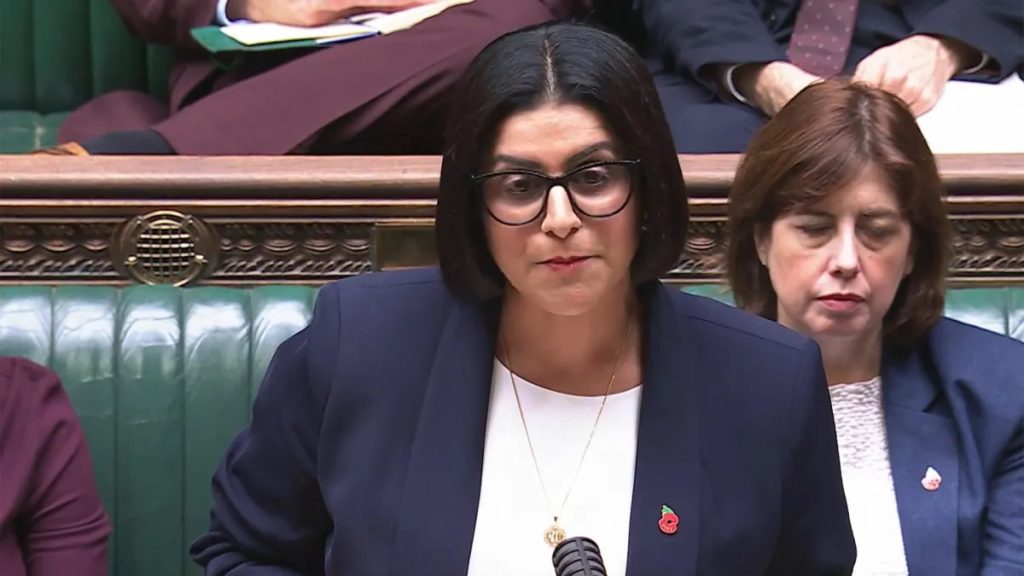
Home Secretary Shabana Mahmood announced the new rules in Parliament on Monday, setting out a revised system under which migrants will no longer automatically qualify for settlement after five years. Under the proposed “earned settlement” model, the time migrants must wait will depend on their contributions and conduct in the UK.
People on lower incomes will face a longer wait to obtain ILR, while the process will be faster for higher earners and certain professionals.
People earning an annual salary of £50,271, as well as doctors, nurses, physiotherapists, dental practitioners, teachers and other professionals working in health and education, will remain eligible to apply for settlement after five years.
Refugees who entered the UK legally will also be able to apply for ILR after five years.
Care workers who arrived in the UK before May 2025 and earn at least £25,000 a year will likewise be eligible to apply for settlement after five years.
Mahmood was forced to revise the policy on care workers following opposition from some Labour MPs. The opposition Conservative Party has criticised the change, arguing that it could place a burden worth billions of pounds on taxpayers.
According to the Home Office, an estimated 196,000 care workers and their adult dependants could settle in the UK between 2026 and 2030, potentially creating a long-term financial burden of £9.5 billion for taxpayers.
Meanwhile, people earning more than £125,141 a year, as well as highly skilled migrants on Global Talent or Innovator Founder visas, will be eligible to apply for ILR after just three years.
Refugees who arrive in the UK after crossing the Channel in small boats or through other illegal routes will face a waiting period of 20 years if they work or study, and 30 years if they do neither.
Migrants who claim government benefits will have to wait 20 years before applying for permanent residency.
The Home Office says anyone seeking settlement, regardless of when they arrived in the UK, will first have to meet four mandatory conditions. Applicants must have no criminal record, demonstrate English proficiency at the higher B2 level, have no outstanding debts to taxpayers or public funds, and show a consistent record of National Insurance contributions.
ILR allows people to remain in the UK indefinitely, work and study without time restrictions, and later apply for British citizenship.
London-based immigration solicitor Raju Thapa said the government had decided to make settlement dependent on income, employment, social integration, contribution and good conduct.
However, Thapa said the earned settlement system announced on Monday had not yet become law.
“The rules announced today will be presented to Parliament for legislation in December 2026 and are expected to come into effect from 2027,” he said. “The new requirement for B2-level English will apply from March 26, 2027.”
Until then, the existing B1 English-language requirement will remain in force, he said.
Thapa said the changes would directly affect workers in the hospitality sector, including restaurants and hotels.
“It is almost impossible for people working in restaurants to earn £50,271 a year. They will be left with no option but to wait 10 years,” he said.
The changes form part of the government’s broader effort to tighten immigration rules following a significant rise in migration to the UK after Brexit. The arrival of healthcare workers and international students increased particularly sharply in the years following the UK’s departure from the European Union.
The government says more than 500,000 migrants will now have to wait longer than the current five-year period to obtain permanent residency. The Department for Work and Pensions says the reforms will reduce welfare spending by billions of pounds.
Mahmood said settlement was one of the most valuable rights the country could grant, but argued that it had so far been awarded almost automatically.
“From today, those who contribute more will qualify for settlement sooner. Those who fail to follow the rules will be refused or made to wait much longer,” she said.
The Home Secretary also said the new policy would prevent British citizens from having to shoulder an excessive financial burden.
Last year, the government published proposed immigration changes and invited public feedback, receiving more than 200,000 submissions. There had been considerable disagreement over whether the new rules should apply to people already living in the UK and those already progressing towards permanent residency.
The changes are expected to affect thousands of Nepalis living in the UK.
Abhishek Kumar Shrestha, who returned to London on a work permit four years and 11 months ago after previously spending nine years in the UK, said the announcement had left him worried just as he was preparing to apply for ILR.
“We have contributed a great deal to this country and paid taxes. But in the name of controlling immigration, the government has continued to put pressure on millions of migrants like us,” Shrestha said. “The new rules should have applied only to people arriving in the future, not to workers who were already here on work permits.”
He said several chefs working alongside him would now have to wait 10 years to obtain ILR.
Many of his colleagues had been due to become eligible to apply for permanent residency within the next year under the previous rules. That prospect, he said, had now been shattered.