Kathmandu, October 30
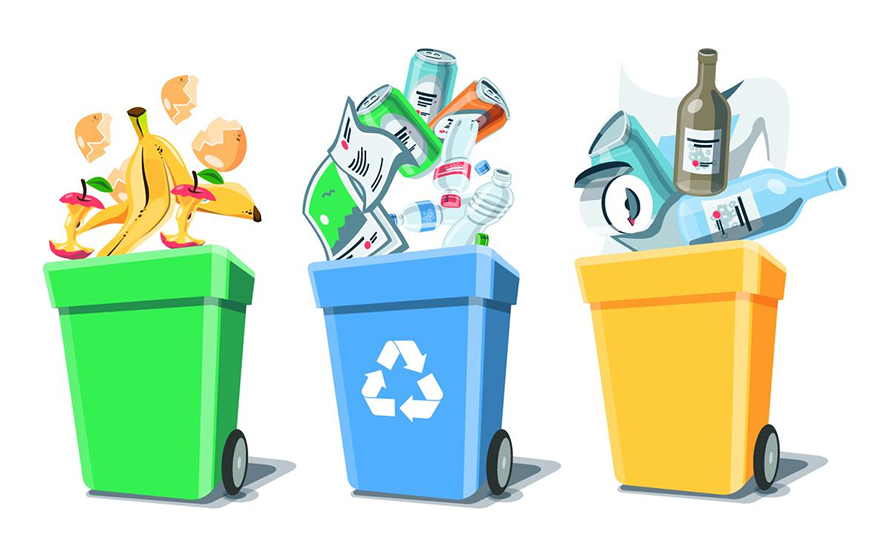
The government is seeking to bring the private sector into waste collection and recycling through a proposed law aimed at making waste management more systematic.
The Waste Management Bill, registered in the House of Representatives on September 17, by Infrastructure Minister Sunil Lamsal, proposes allowing private companies and institutions to take part in waste collection and management.
Section 16 of the bill states that when a local government assigns waste management within its geographical area to the private sector, it must select a licensed organisation through a competitive process, as provided under Section 41(2).
Section 41 requires organisations seeking to provide waste management services in a local government area to obtain a licence in accordance with the relevant local government’s laws.
Nepali Communist Party lawmaker Parshuram Tamang has proposed amending this provision, arguing that communities, alongside the private sector, should also be involved in waste collection and recycling.
Section 17 of the proposed bill allows local governments to partner with private companies or institutions under a public-private partnership model to carry out waste management activities.
The bill also contains specific provisions on recycling and the reuse of waste in Chapter 4.
Section 24 states that waste should be developed as a resource material and used, as far as possible, for activities that generate economic returns.
Under the proposed provision, income generated by individuals, groups, organisations or institutions that process waste into resource materials themselves would belong to them. Revenue generated by local governments through such activities would belong to the respective local government.
Section 26 addresses the production of organic fertiliser from waste.
It states that local governments may produce organic fertiliser using biodegradable waste collected under the proposed law, either independently or in cooperation with other local governments.