
Kathmandu, October 28
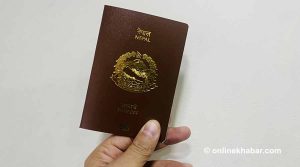
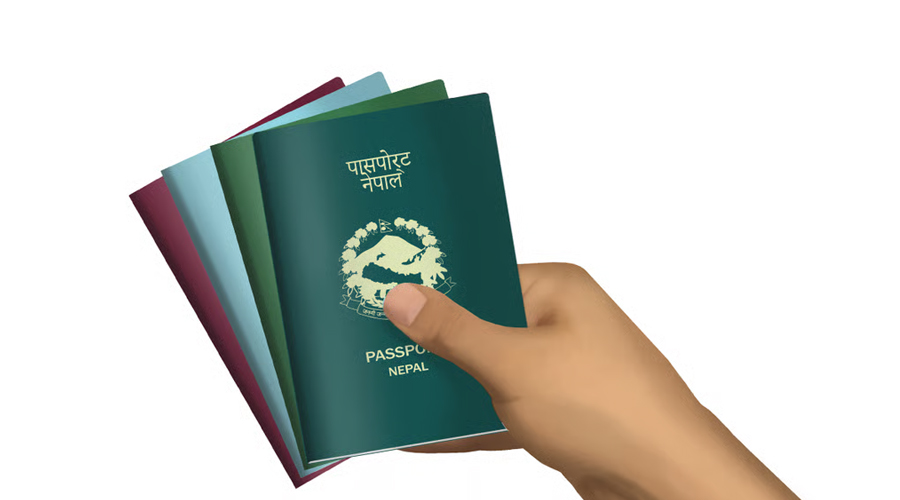
Nepalis living in New Zealand are facing financial burdens and administrative difficulties in renewing their passports and accessing other consular services, as Nepal has no embassy in the country and technical problems have disrupted passport services.
Many Nepalis have been forced to travel to Australia or Nepal to obtain essential documents and consular services, prompting community leaders to urge the Nepal government to address the problem.
Dr Achyut Aryal, president of the Non-Resident Nepali Association (NRNA) New Zealand, said students and other members of the Nepali community had reported difficulties renewing passports and accessing necessary services.
“Even to renew passports and obtain essential documents, we have to travel to Australia or Nepal,” Aryal said. “This has increased both the time and cost involved, affecting the daily lives and plans of students and other Nepalis.”
Raj Maharjan, president of the New Zealand-Nepal Chamber of Commerce, said the organisation was ready to work with the Nepali Embassy in Canberra to help resolve the difficulties faced by the community.
Tara Gautam, acting ambassador at the Nepali Embassy in Canberra, said a technical problem was the main reason passport services had been affected.
According to Gautam, a new contract for passport printing has been awarded to a German company, but it could take around three months to bring the new system into operation. The process could take longer than expected, meaning it may be several more months before services return to normal.
Gautam said the embassy had already informed the Nepal government about the problem.
The embassy has been trying to prioritise passport applications for newborn babies and other urgent cases, but technical issues have made it difficult to provide even these services smoothly, she said.
She urged Nepalis to check their passport expiry dates well in advance and avoid waiting until their documents are about to expire before starting the renewal process.
The embassy is also planning to launch a mobile consular service in New Zealand from early next year. Gautam said the service would be conducted at least twice a year, allowing Nepalis to access passport renewal and other essential consular services without travelling abroad.
As Nepal’s community in New Zealand continues to grow, the need to travel to another country for a basic document such as a passport has raised concerns about the accessibility of Nepal’s consular services.
Maharjan said the government needed to take concrete action to resolve the technical problems as quickly as possible and implement the planned mobile service without delay. In the longer term, he said, Nepal should establish a system for providing regular consular services to its citizens in New Zealand.