Kathmandu, October 27
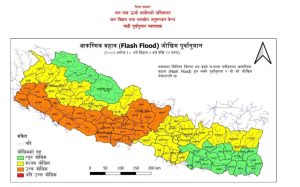
Rain at various places in Nepal and snowfall in the high mountain areas are possible due to the effect of Cyclone Arnab, which has developed in the Bay of Bengal. The initial forecast is that the system will affect Nepal from Thursday evening until Saturday.
The Department of Hydrology and Meteorology has said there is no need to panic, but people should remain alert. According to Bibhuti Pokharel, spokesperson of the department and a senior meteorologist, rain and snowfall are forecast in Nepal because the remnants of the cyclone will carry air with ample moisture and interact with systems in the upper atmosphere.
“But there is no need to panic right now, though we must stay alert,” Pokharel said.
According to the latest forecast, light to moderate rain is likely in many parts of the country, with heavy rain possible in some places. However, Pokharel said the rain’s impact could be less if the system weakens by the time it nears Nepal, and greater if it remains relatively strong.
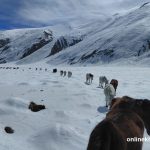
According to her, there could be a risk of heavy snowfall, blizzards and avalanches in the high mountain areas. Since people involved in tourism activities in the mountains could be at greater risk, she advised them to stay in safe places and, where possible, avoid travelling to high mountain areas.
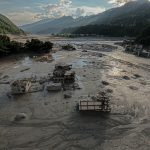
She said caution is also needed when travelling through places and road sections at risk of landslides. She urged people to travel only after checking weather and road conditions.
Farmers harvesting rice also urged to stay alert
Rain could also affect the agricultural sector. Since it is now the paddy harvesting season, Pokharel said farmers should plan their farm work with the weather forecast in mind.
She urged farmers to check the official notices and forecasts issued by the department before harvesting rice.
She said the system needs continuous monitoring, as the timing and impact of the rain could vary depending on the speed, direction and intensity of the cyclone’s remnants. She said people living in risk-prone areas should also take the necessary precautions.
Rain is normal in post-monsoon
Pokharel said rain is also a normal occurrence in the post-monsoon period that begins after the monsoon ends. Although October and November are usually months of clear weather in Nepal, cyclones can develop in the Bay of Bengal and the Arabian Sea during this period.
Not every cyclone or low-pressure system that develops over the sea reaches Nepal. But some systems moving north or northwest can bring rain as they approach Nepal. She said such systems can also cause snowfall in the high mountain areas.
“Such events have happened before. So it is not that a new kind of event is happening now,” Pokharel said.
She said climate change not only creates new weather events but can also affect the frequency and intensity of events that occurred earlier. She therefore said regular study and monitoring of such weather events is necessary.
Check official notices
Pokharel urged people to follow the department’s official notices and updates issued on social media for the latest weather information.
She advised that people should not live in fear because of rumours about the weather, but should not ignore potential risks either.
She urged people to plan travel, farm work and other activities on the basis of the official forecast.