Kathmandu, September 28
The second season of Himalayan Television’s popular reality show Shark Tank Nepal will begin airing shortly after Dashain.
At a press conference held at Hotel Everest in Kathmandu on Monday to announce the new season, Dharma Raj Bhusal, chairman and managing director of Himalayan Television, said Season 2 would be bigger and more refined than the first season.
“The size of the business has grown by 60 to 65 per cent compared to Season 1,” Bhusal said. “Everyone involved in the show has shown much greater maturity this time. In terms of storytelling and business evaluation, Season 2 has become bigger and better.”
The show will air two episodes a week on Himalayan Television at 8 pm and will conclude within around two and a half months.
Preparations for Season 3 will begin as soon as Season 2 starts airing, he said.
Shyam Kandel, executive director of Himalayan Television, said he felt emotional recalling the commitment he made four years ago to bring the Shark Tank format to Nepal.
“The show has millions of viewers not only in Nepal but also outside the country,” Kandel said. “Deals worth around Rs 600 million have been made in Season 2, which clearly shows how much bigger and more successful the second season has become.”
The event also featured the signing of sponsorship agreements between Himalayan Television and companies associated with Season 2.
Same sharks return for Season 2
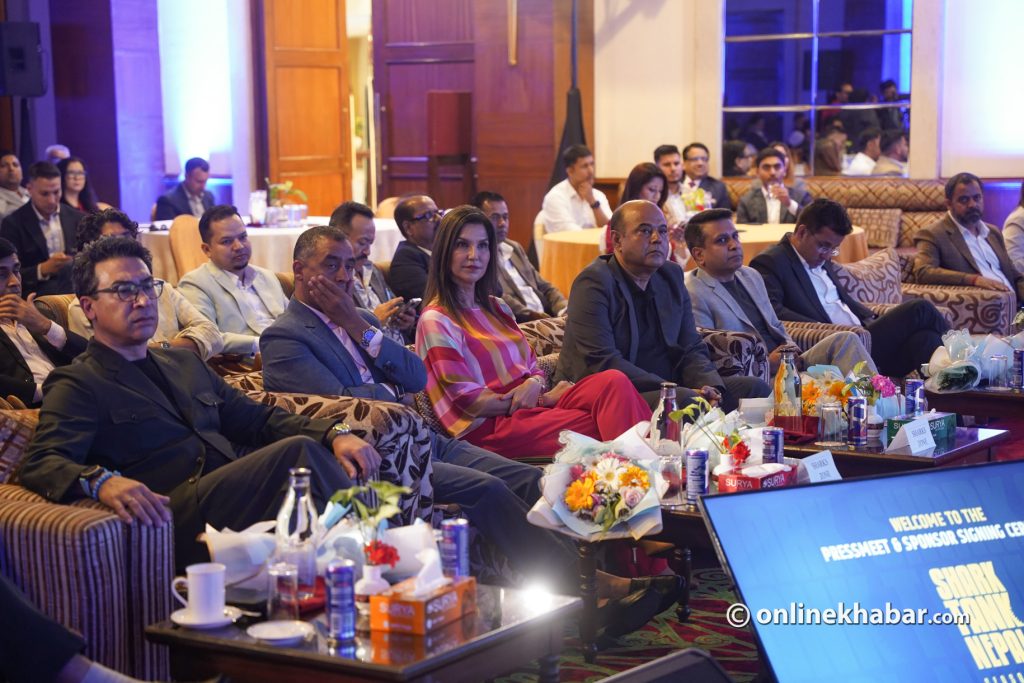
All five sharks from Season 1 have returned for the second season.
They are Ananda Bagaria, managing director of Nimbus Group; Cabinet Shrestha, co-founder and chairman of Agni Group; Saurabh Jyoti, investor at Padma Jyoti Group and chairman of Syakar Trading Company; Ritu Singh Vaidya, managing director of Vaidya’s Organization of Industries and Trading Houses; and Hemraj Dhakal, co-founder and managing director of IME Group.
The sharks shared their experiences from the first season and discussed various aspects of the new season.
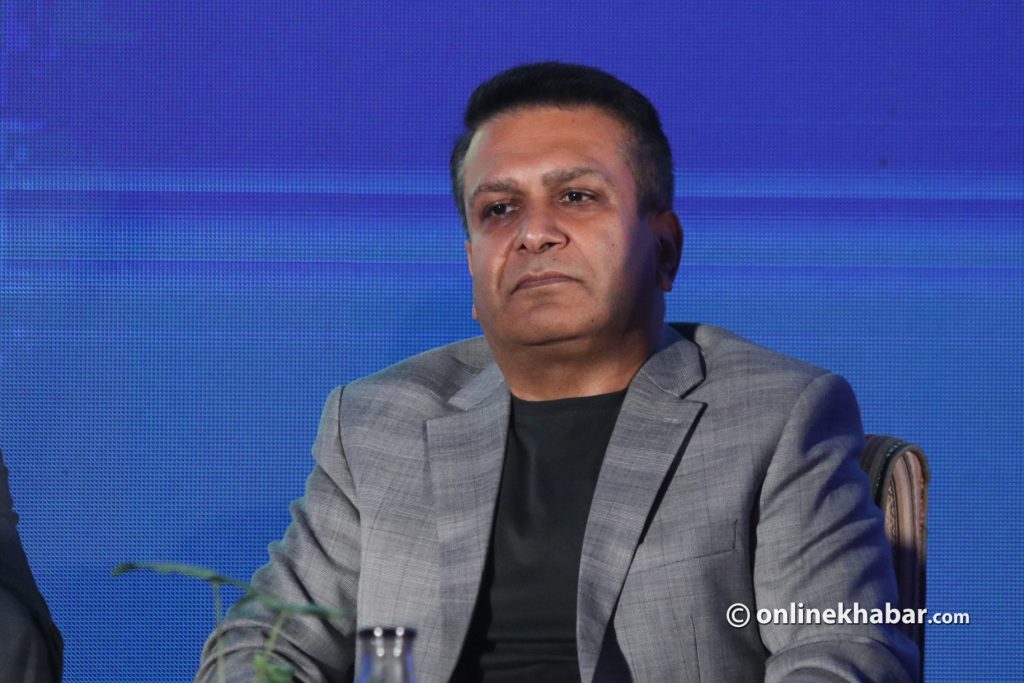
Bagaria said the sharks had been nervous during the first season because they had little experience or practice in evaluating businesses.
“After completing Season 2, I feel this is the beginning of an economic revolution,” he said.
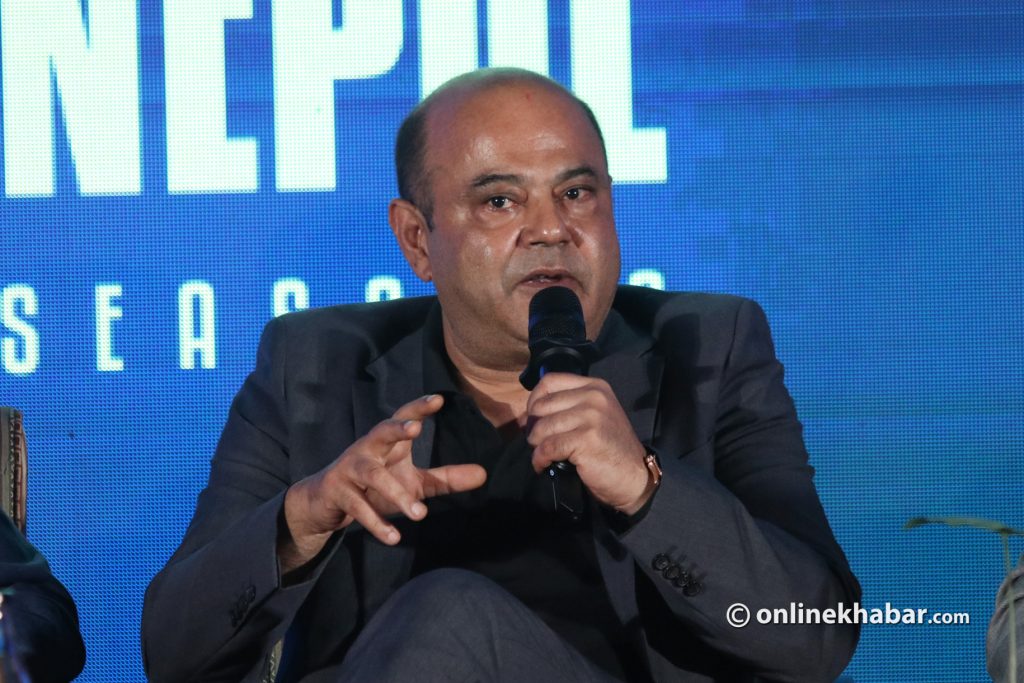
Shrestha said he was excited about the platform that Shark Tank Nepal has created for entrepreneurs.
“I was amazed to hear the business model of a 17-year-old in Season 2 who did not have even a single rupee to invest,” he said. “New business models are getting new opportunities through a new platform.”
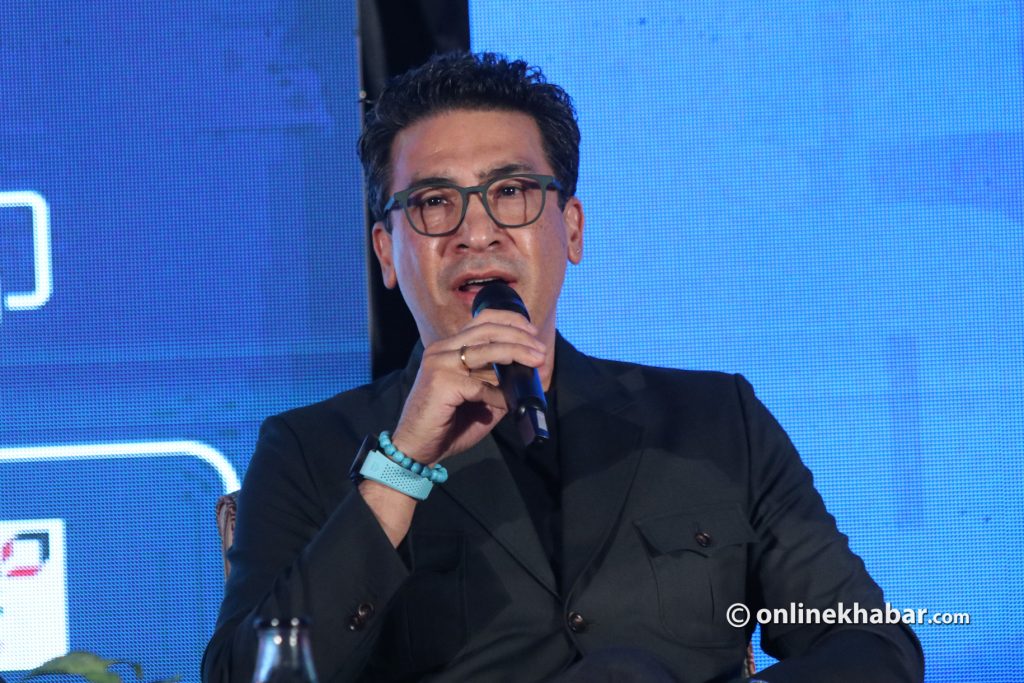
Jyoti said Himalayan Television had taken a significant risk by bringing the show to Nepal in its first season.
“Now the results can be seen in Season 2,” he said. “Shark Tank is not just a television show. It has also made a valuable contribution to the economy and inspired people to believe that their ideas can be good and that they too can become entrepreneurs.”
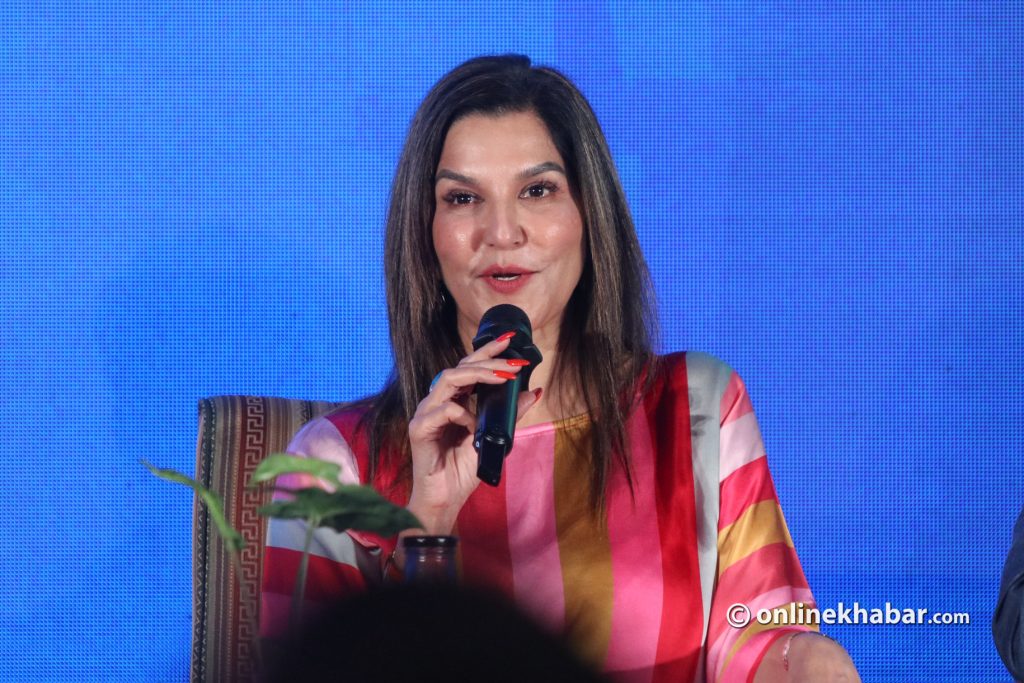
Vaidya described Shark Tank Nepal as an effective platform that has brought the programme closer to the economy and business sector.
“It was a new experience to evaluate new business models and concepts,” she said. “Because of this programme, many people have been able to start new businesses.”
Dhakal said sitting in a position where he had to make investment decisions despite being nervous during Season 1 had been a new experience.
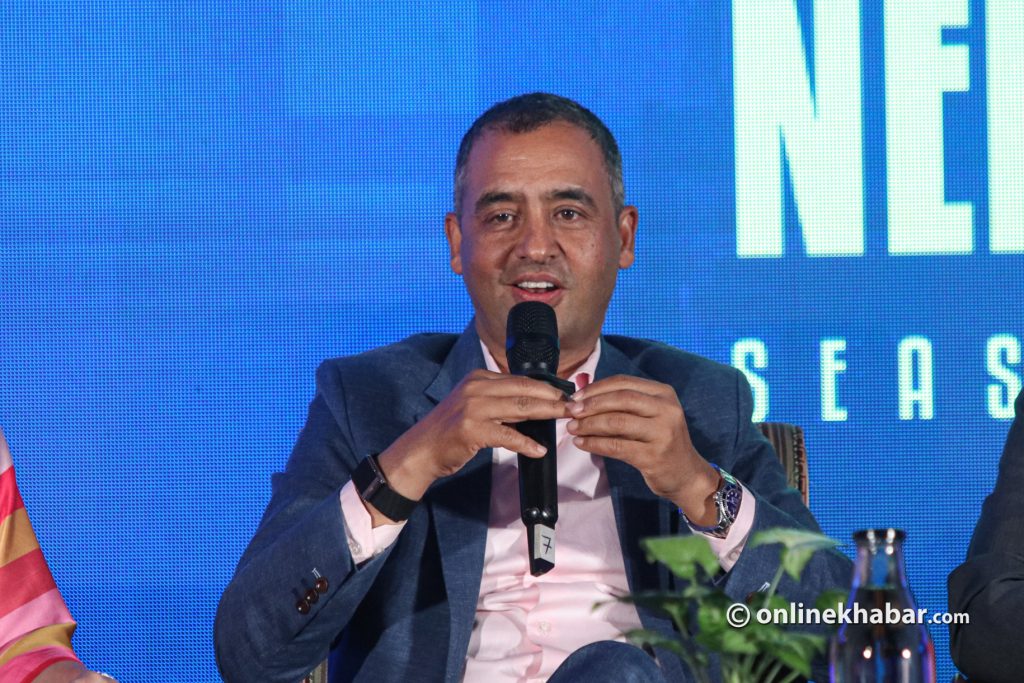
“Season 1 succeeded in bringing hope, confidence and ideas to people who wanted to start businesses, and Season 2 has become even better,” he said. “Shark Tank has become a unique source of inspiration and encouragement for startups.”