Kathmandu, September 16
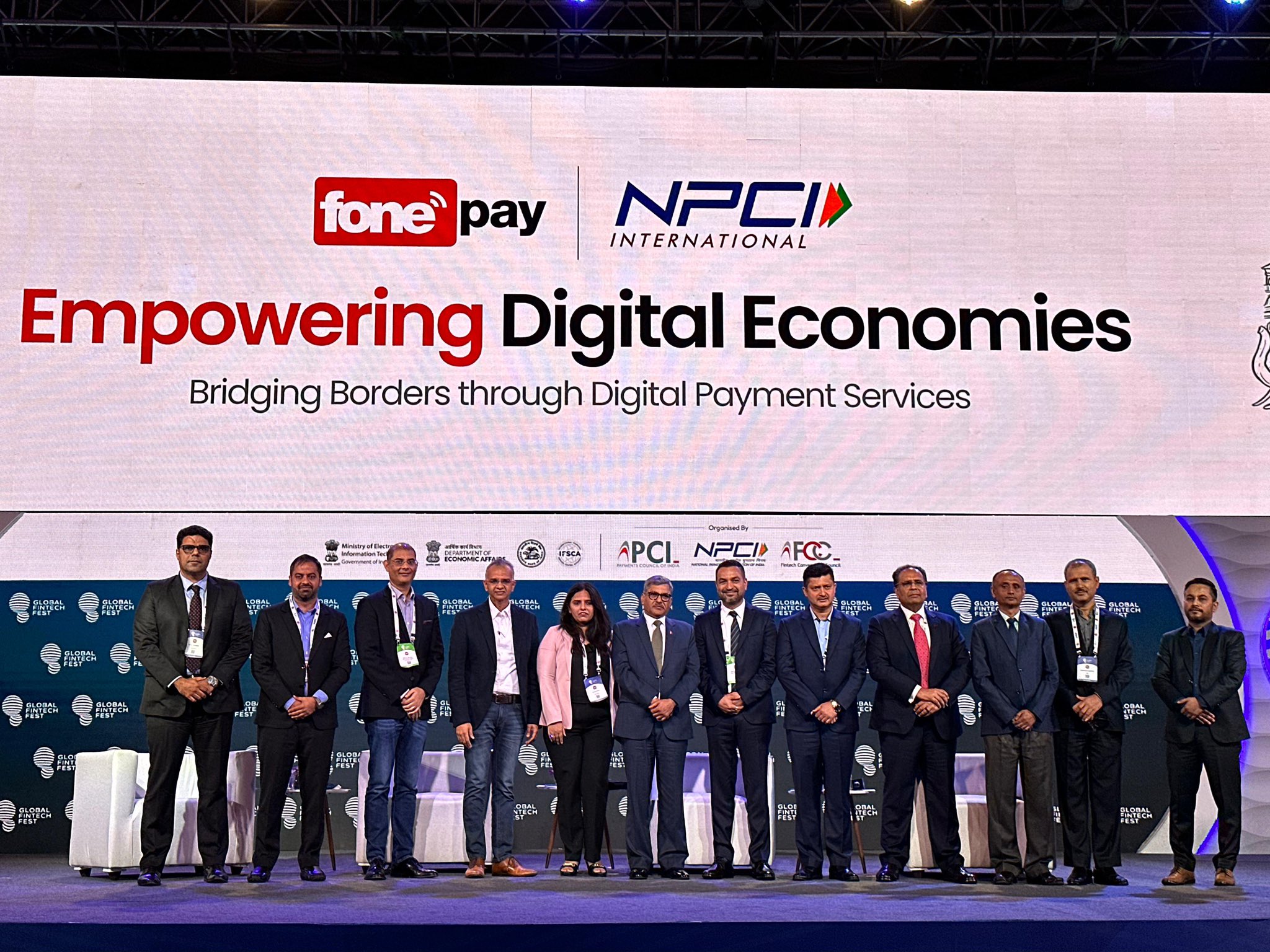
The number of users of virtual credit cards offered through Fonepay’s network has reached 50,000, reflecting the growing use of digital technology for accessing and making credit-based payments in Nepal.
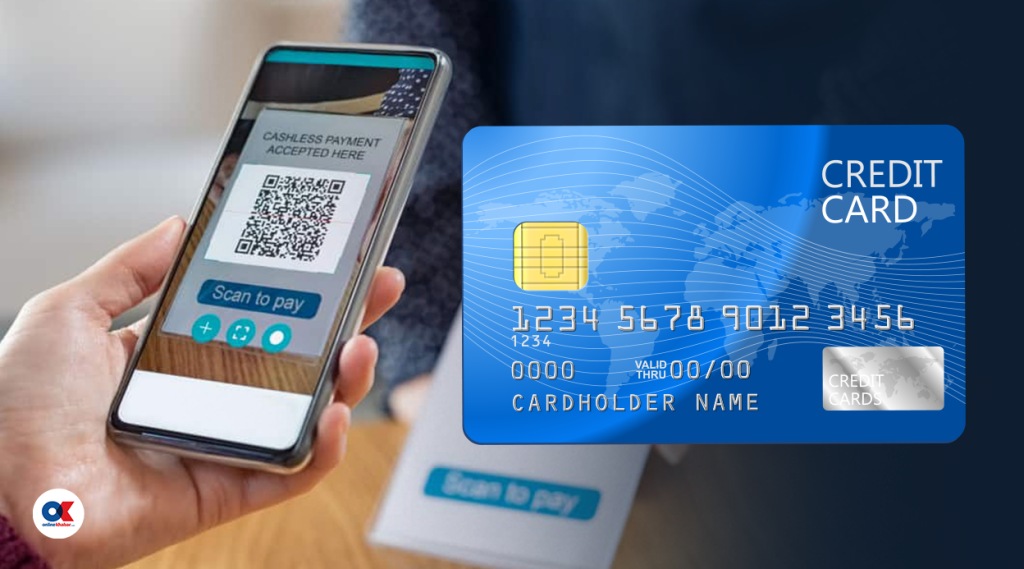
The virtual credit card service, launched two years ago, is currently available through nine banks and financial institutions connected to Fonepay’s network. The service allows customers to obtain a credit limit through their mobile banking applications and make payments by scanning QR codes, eliminating the need for a physical card or point-of-sale (POS) machine.
Fonepay Chief Executive Officer Diwas Kumar said the service has helped connect consumers and small businesses with digital credit.
“Even with only nine banks and financial institutions participating, 50,000 virtual cards have been issued in two years. If all banks and financial institutions participate, most purchase and sales payments could become cashless,” Kumar said.
The overall number of physical credit cards in Nepal stands at around 341,000, while the number of POS machines is approximately 300,000, according to Kumar. Fonepay, meanwhile, has around two million QR merchants, allowing virtual credit card users to make payments at a wide range of businesses.
Laxmi Sunrise Bank has issued the highest number of virtual credit cards among the participating institutions, with around 15,000 cards. Citizens Bank ranks second, having issued more than 10,000.
Laxmi Sunrise Bank CEO Ajay Bikram Shah said the bank has been using customer behaviour, transaction patterns and data analytics to develop digital products. He said virtual cards have become an attractive option because customers can obtain, use and manage credit directly through their mobile phones.
Citizens Bank Chief Operating Officer Roshan Manandhar said customers increasingly prefer virtual cards because they become available on mobile devices immediately after approval, without the need to print or activate a physical card. He said around 90–95 per cent of customers opting for the bank’s credit card service now prefer the virtual option.
Fonepay currently has Siddhartha Bank, Kumari Bank, Everest Bank, Laxmi Sunrise Bank, Citizens Bank, Garima Development Bank, Shine Resunga Development Bank, Mahalaxmi Development Bank and Manjushree Finance on its network.
According to Kumar, the default rate on loans extended through virtual credit cards is currently around 1–2 per cent. He said the service targets customers with regular income and spending patterns and uses risk-based credit limits.
Fonepay charges no fee for payments of up to Rs 2,000. For transactions above that amount, a fee of 0.6 per cent applies, with the maximum fee capped at Rs 300. By comparison, physical credit card transactions can attract fees of up to 3 per cent.
Users can also view their transactions and spending details through mobile banking applications. Kumar said payments made through the virtual credit card are interest-free for up to 45 days, after which interest and late-payment charges apply to outstanding amounts.