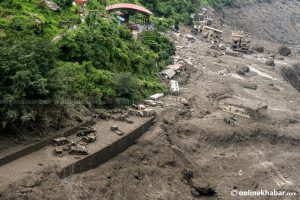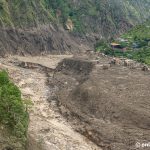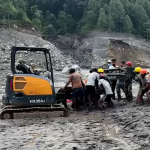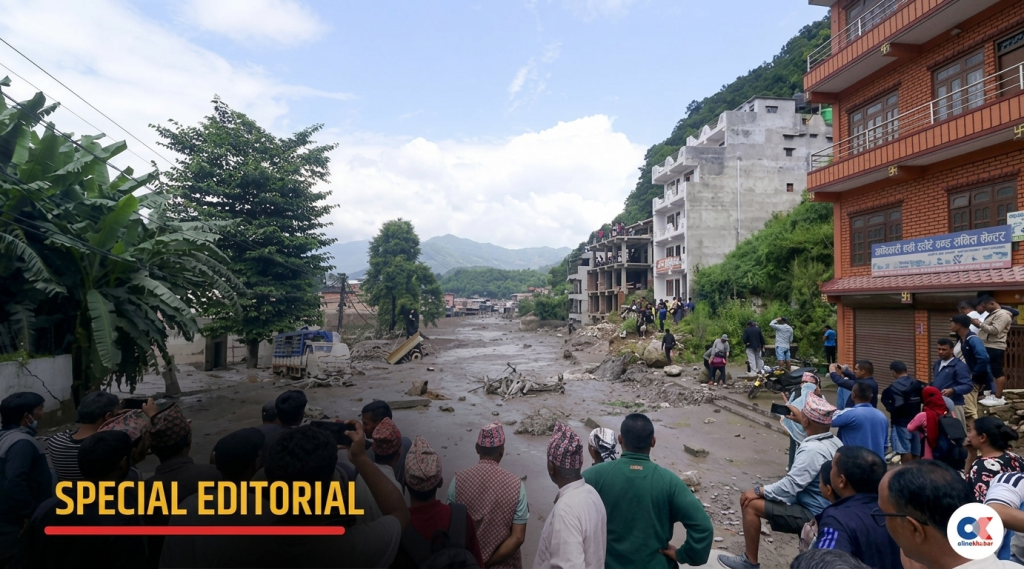

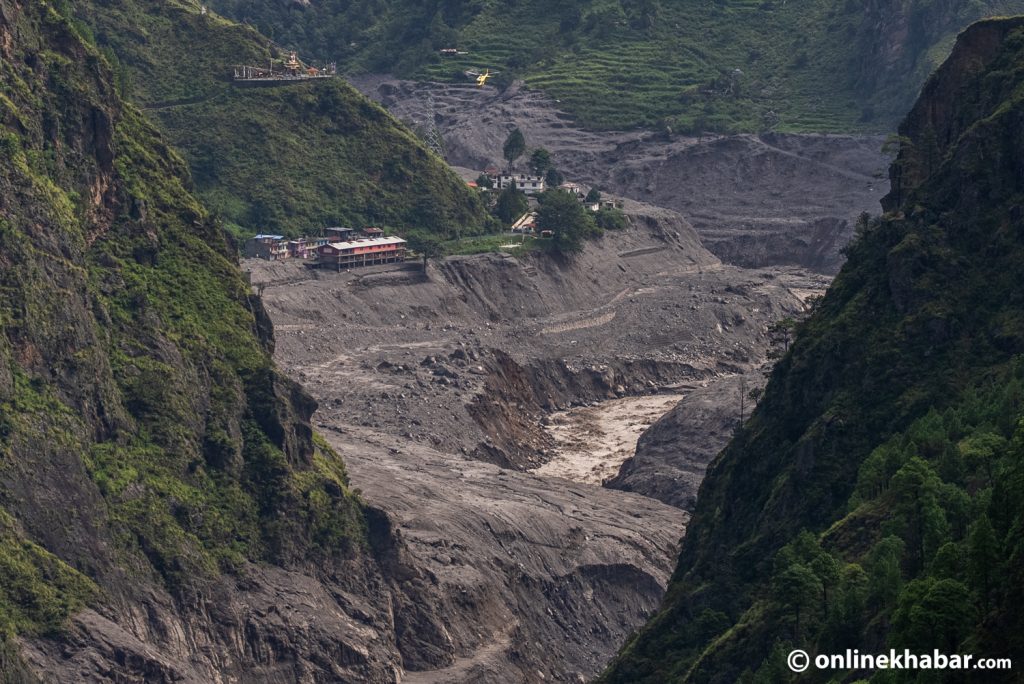
The devastating flood in the Bhotekoshi-Trishuli river system on August 26 was beyond just another natural disaster. Within hours, settlements, roads, bridges, hydropower projects, and other infrastructure were damaged or swept away. Many people lost their lives, while thousands were displaced and exposed to serious risks.
This tragedy is a stark reminder that climate change is no longer a future concern for Nepal. It is already affecting the country’s economy, environment, and development prospects. More importantly, it raises a fundamental question of fairness: why should a country that contributes only about 0.027 percent of global greenhouse-gas emissions bear such a heavy burden of climate impacts?
This question lies at the heart of climate justice.
The timing of the Prime Minister’s visit to the 81st Session of the United Nations General Assembly is therefore highly significant. As leaders from around the world gather in New York, Nepal has an opportunity to move beyond routine diplomacy and present a compelling case for climate justice, international support, and shared global responsibility.
Nepal contributes only a tiny share of global greenhouse-gas emissions, yet it is among the countries most vulnerable to climate change. Nearly 80 percent of the population is exposed to climate-related hazards such as floods, landslides, droughts, heatwaves, and glacial lake outburst floods (GLOFs). Rising temperatures, erratic rainfall, and increasingly frequent extreme weather events are already affecting agriculture, water resources, hydropower, tourism, biodiversity, and infrastructure.
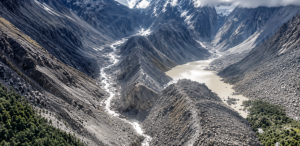
The Himalayan region is particularly at risk. Nepal’s ice reserves declined by about 29 percent between 1977 and 2010, while the number of glacial lakes increased by 11 percent during the same period. Across the Hindu Kush Himalayan region, glaciers are melting at an accelerating rate, and scientists warn that up to 80 percent of glacier volume could disappear by the end of the century under high-emission scenarios. The result would be greater risks of floods, landslides, water shortages, and other climate-related disasters.
The economic consequences are equally serious. Climate change could reduce Nepal’s GDP by around 2.2 percent by 2050, while climate variability and extreme weather events already cost the country between 1.5 and 2 percent of GDP each year.
The injustice is clear. Countries that benefited most from fossil-fuel-driven growth are now better positioned to cope with climate change, while countries like Nepal are paying a disproportionate price. Climate justice therefore requires major emitters to take greater responsibility for supporting vulnerable nations through adaptation, resilience building, and recovery.
Nepal should remind the international community that the Himalayas are not Nepal’s concern alone. Often called the “Water Towers of Asia,” they support river systems that provide water, food, energy, and livelihoods to nearly two billion people. As glaciers retreat and glacial lakes expand, the risks of floods, landslides, and GLOFs continue to grow. These changes threaten not only Nepal but also millions of people living downstream across South Asia.
Protecting the Himalayas must therefore become a regional and global priority. Nepal should use the UN platform to call for stronger cooperation on glacier monitoring, scientific research, flood forecasting, early-warning systems, disaster preparedness, and information sharing.
For years, Nepal has raised climate concerns in international forums, but awareness alone cannot protect communities or rebuild what disasters destroy. Nepal must now turn concern into action.
The issue of loss and damage should be central to Nepal’s climate diplomacy. Climate-related disasters destroy lives, homes, livelihoods, and infrastructure, yet support for recovery remains inadequate. Assistance should prioritise grants, concessional financing, and dedicated loss-and-damage funding rather than loans that deepen the financial burden on vulnerable countries.
Nepal should also push for faster and easier access to international climate funds, as existing procedures are often slow and complex. At the same time, it must strengthen its capacity to access these resources by developing credible projects, improving institutions, and building technical expertise. Through mechanisms such as the Green Climate Fund, Adaptation Fund, and Loss and Damage Fund, Nepal can mobilise greater resources for climate resilience and recovery.
In international forums, Nepal must make it clear that it is not asking for charity; it is asking for climate justice.
Under ordinary circumstances, Nepal could be represented at the United Nations by senior officials. However, the current situation calls for leadership at the highest level. The Prime Minister’s presence gives greater political weight to Nepal’s message and increases the likelihood of attracting international attention.
But speeches alone are not enough.
The Prime Minister should use the visit to hold strategic meetings with leaders from major development partners and economies, including India, China, the United States, Japan, the United Kingdom, and the European Union. Discussions with institutions such as the World Bank, Asian Development Bank, Green Climate Fund, and relevant UN agencies will be equally important.
These engagements should focus on securing commitments for climate finance, resilient infrastructure, disaster recovery, technology transfer, glacier monitoring, and early-warning systems. Their success should be measured by the practical partnerships, commitments, and resources Nepal brings home.
To strengthen its case, Nepal must present a clear, evidence-based agenda. The government should document the human, social, and economic costs of the Bhotekoshi-Trishuli disaster and clearly identify its financing and reconstruction needs.
Nepal should seek faster access to climate finance, emergency support, and dedicated loss-and-damage funding. It should also work more closely with other climate-vulnerable countries, particularly mountain nations and small island states, which face similar challenges despite contributing little to global emissions.
At the same time, Nepal must ensure that its graduation from the Least Developed Country (LDC) category does not reduce access to the international support needed for climate adaptation, disaster resilience, and sustainable development.
Turning pain into action
The Bhotekoshi disaster has caused immense suffering, and recovery will take years. Yet Nepal can still use this tragedy to strengthen its voice in global climate diplomacy.
Nepal should tell the world a simple truth: it did not create the climate crisis, yet it is paying a heavy price for it. The country needs more than sympathy. It needs climate finance, technology, knowledge-sharing, and long-term partnerships to build resilience and protect vulnerable communities.
The Himalayas are not only symbols of natural beauty; they are essential to Asia’s water security, food systems, energy production, biodiversity, and environmental stability. Protecting them is therefore a shared regional and global responsibility.
The Prime Minister’s visit to the United Nations should mark a new phase in Nepal’s climate diplomacy, focused on results rather than rhetoric. Nepal must seize this opportunity to secure concrete commitments and place climate justice at the centre of the global conversation.
Nepal should go to the United Nations not to seek pity, but to demand fairness; not merely to highlight its losses, but to secure meaningful support that protects its people, its mountains, and its future.